Undercoating Cost (2026): Is Rustproofing Worth It?
Undercoating costs $150 to $600 in 2026, or $50 to $120 to DIY with Fluid Film. See what drives the price and whether rustproofing is worth it where you live.
Typical cost
$150$600
Costs reviewed July 2026
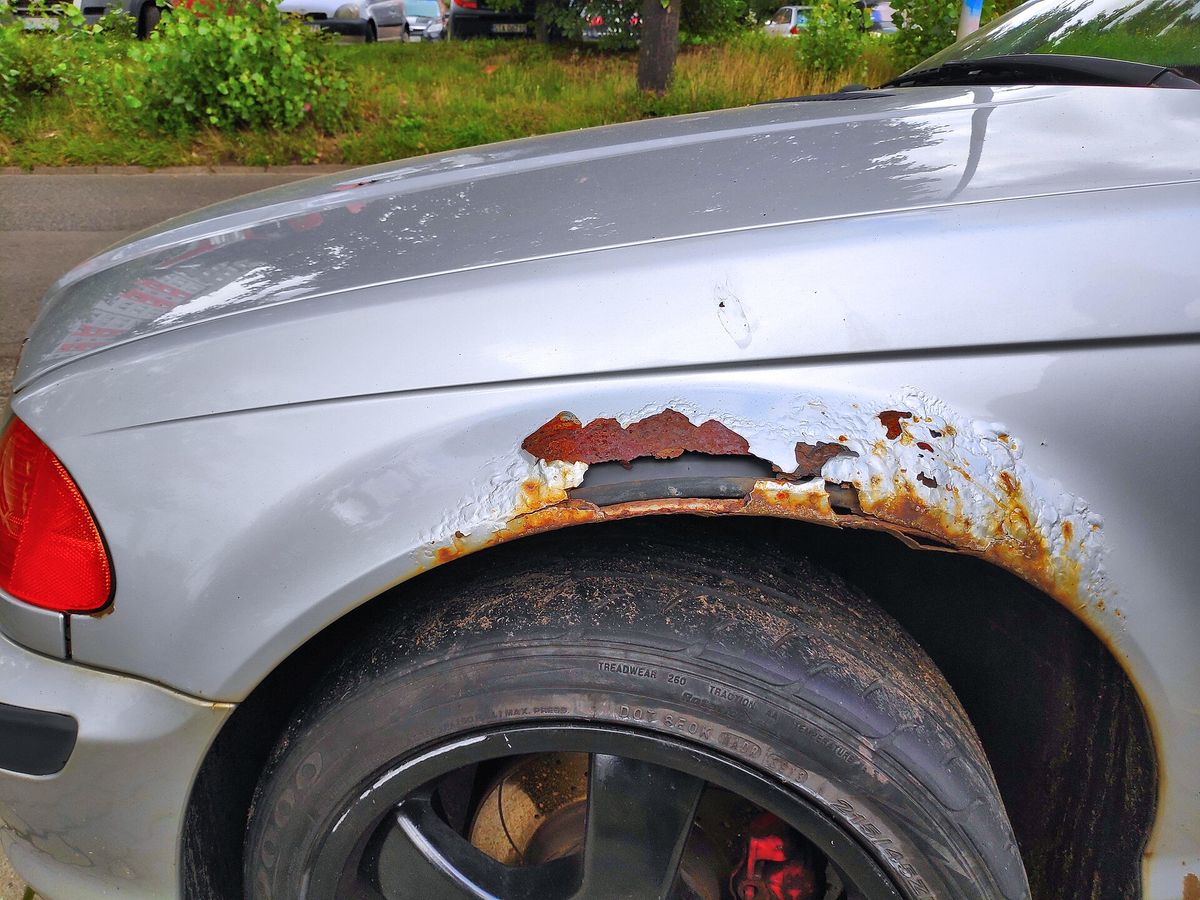
Undercoating costs about $150 to $600 at a shop, or $50 to $120 if you do it yourself with Fluid Film or a rubberized spray. It is not a repair, it is prevention: a coating on the underbody that keeps road salt and moisture off the metal so rust never gets started. Whether it is worth it comes down to where you live and how long you are keeping the car.
What drives the price
- Product: oil and wax-based coatings like Fluid Film are cheaper and reapplied yearly. Rubberized and asphalt coatings cost more and last longer.
- Vehicle size: a truck or SUV has more underbody than a sedan, so it costs more to cover.
- Prep: a clean, newer underbody is quick. An older one may need cleaning or rust treatment first.
Oil-based or rubberized?
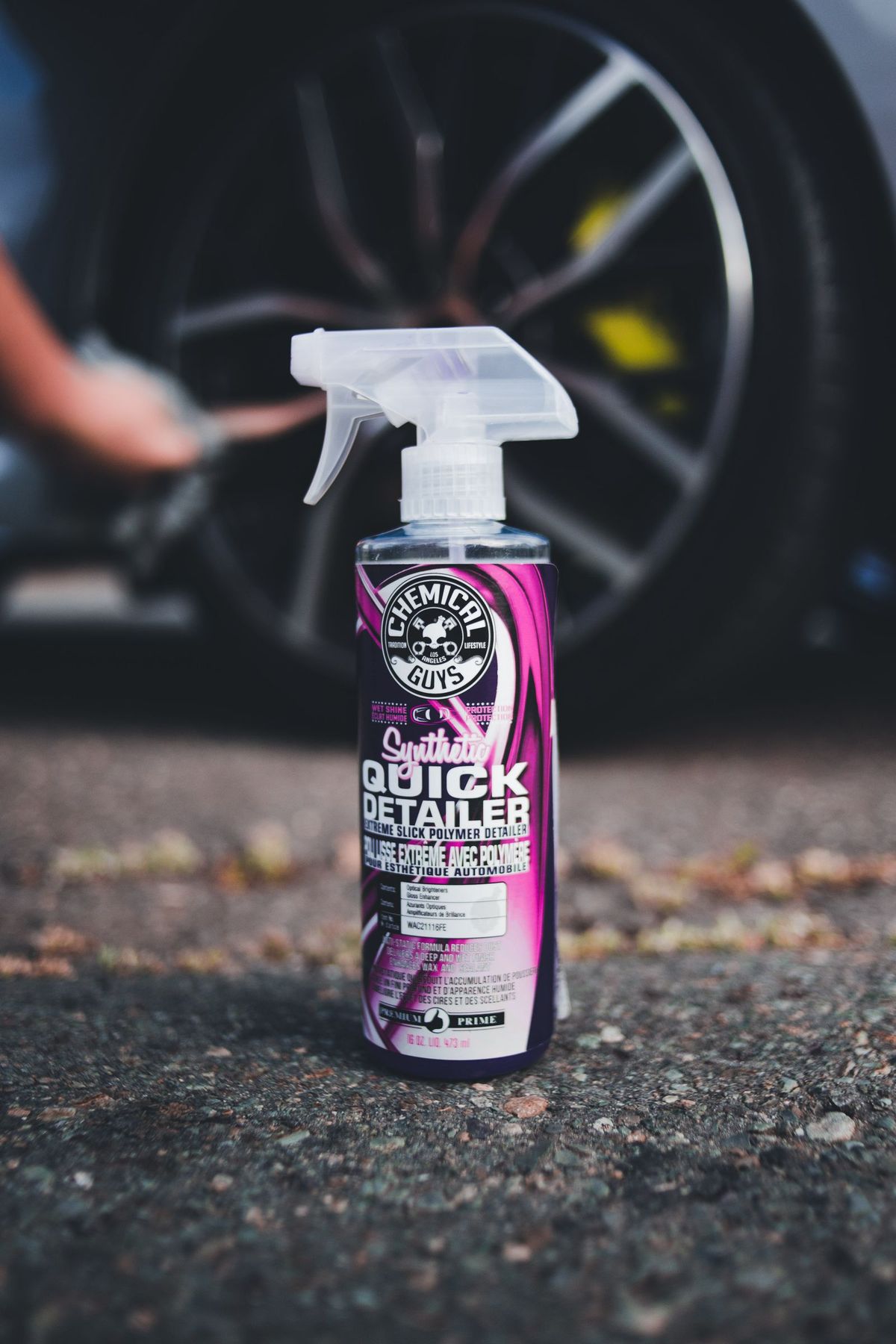
This is the real decision. Fluid Film and similar lanolin oil coatings creep into seams and never fully harden, so they keep protecting crevices, but you reapply every year. Rubberized undercoating forms a thick, durable shell that lasts longer, with one important catch: if it is sprayed over existing rust or a chip, it can trap moisture underneath and make things worse. For ongoing protection on a car that already has a few miles, oil-based is the more forgiving choice.
The lifespan gap between the two is bigger than most people expect. Oil-based coatings hold up 6 to 12 months in a heavy salt climate before they need reapplying, which is why shops sell them as an annual service. Rubberized coatings, applied correctly on clean metal, run roughly 3 to 5 years in harsh winter conditions and can stretch longer in a milder one. The tradeoff shows up in how each one fails: a scuffed patch of rubberized coating cracks and flakes at the edges, which can trap moisture right where the coating broke, while a scraped patch of oil-based coating just thins out, since the lanolin never fully hardens and keeps creeping back into the gap on its own.
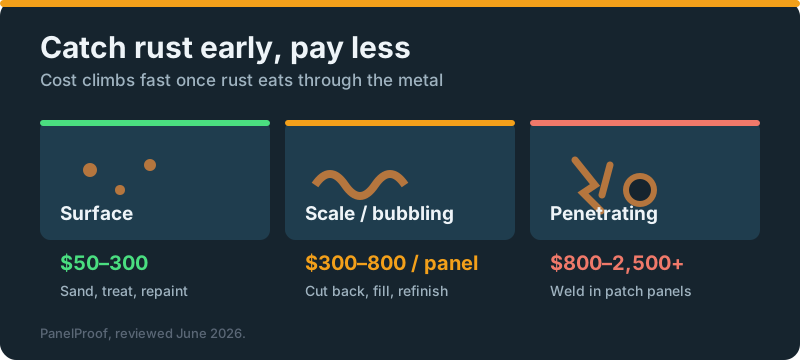
Run the math over a decade of winters and the case for either one gets concrete. Oil-based undercoating at $150 to $350 a year, reapplied every fall, comes to roughly $1,500 to $3,500 over ten years. A single rot-through repair on a rocker panel or wheel arch, the kind that shows up once salt finally reaches bare metal, runs $800 to $2,500 on its own. Undercoating does not have to prevent very many of those repairs to pay for itself, and on a car you’re keeping through several winters, it usually only has to prevent one.
Salt-belt states, the Rust Belt and New England especially, are where this pays off fastest because road crews run salt trucks all winter. Coastal climates add a second corrosion driver: airborne salt spray reaches the underbody even without road salt, so a coastal car can rust from underneath about as readily as a Michigan winter car does.
DIY undercoating
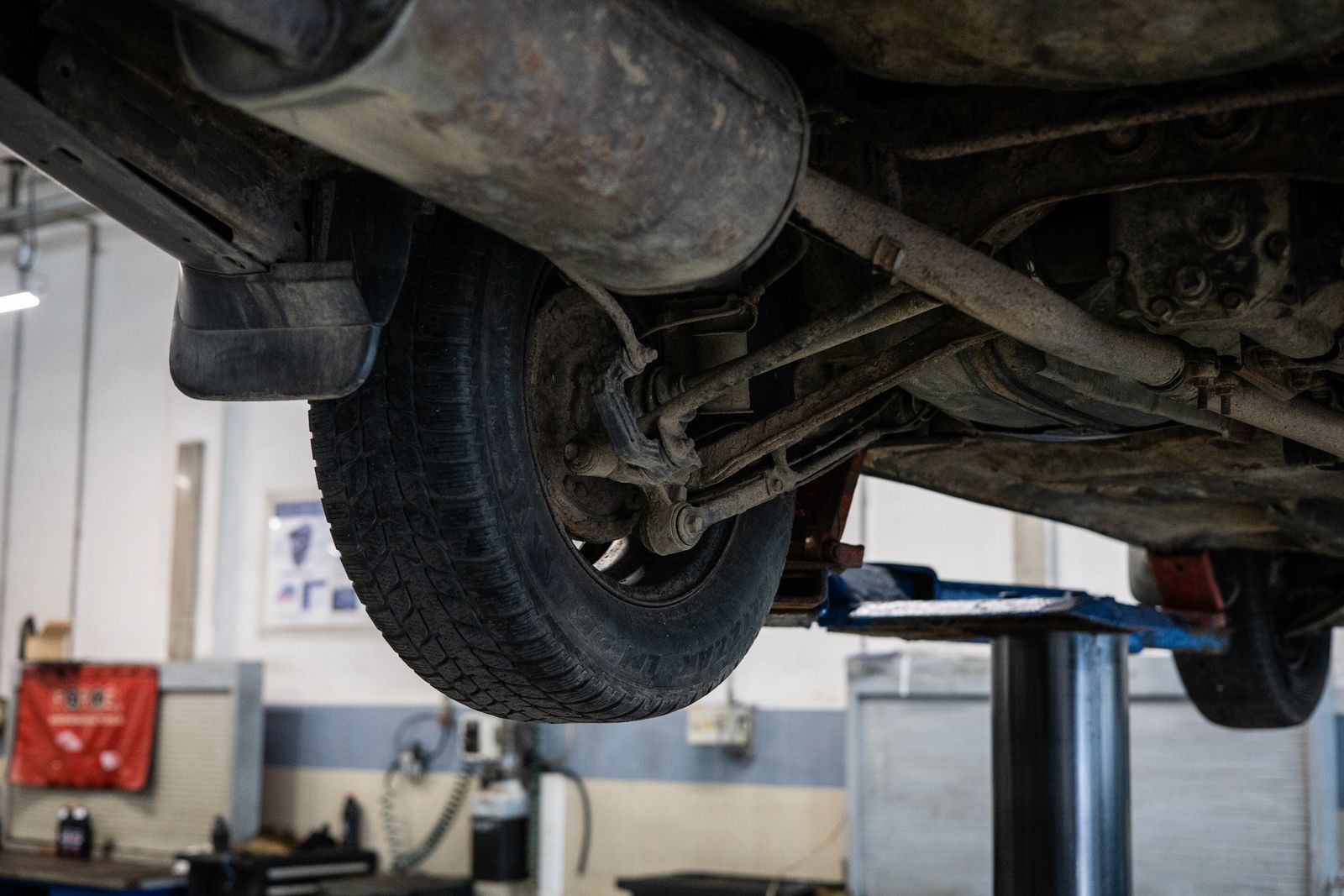
Fluid Film and rubberized aerosols are sold for home use. On ramps or jack stands you can coat the underbody yourself for $50 to $120. It is messy work and not as complete as a shop on a lift, but done every fall before the salt comes out, it genuinely slows rust on a winter car. The shop version costs more because it includes a proper clean and full coverage from below.
Doing it right yourself takes a bit more than pointing a can at the underbody. Wash and degrease first; coating over road grime just seals the grime in with it. Get the car high enough on ramps or stands to reach the rocker panels, wheel wells, and frame rails, not just the flat belly pan, since those are the spots that trap salt and actually rust first. Fluid Film sprays through a wand-and-straw attachment that reaches into seams; rubberized aerosols go on in thin, even coats and need a few hours to skin over before the car goes back on the road. Mask off the exhaust and any rubber bushings first: oil-based coatings drip for a day or two after application, and a hot exhaust pipe is the one place overspray genuinely shouldn’t go.
Is it worth it for you?
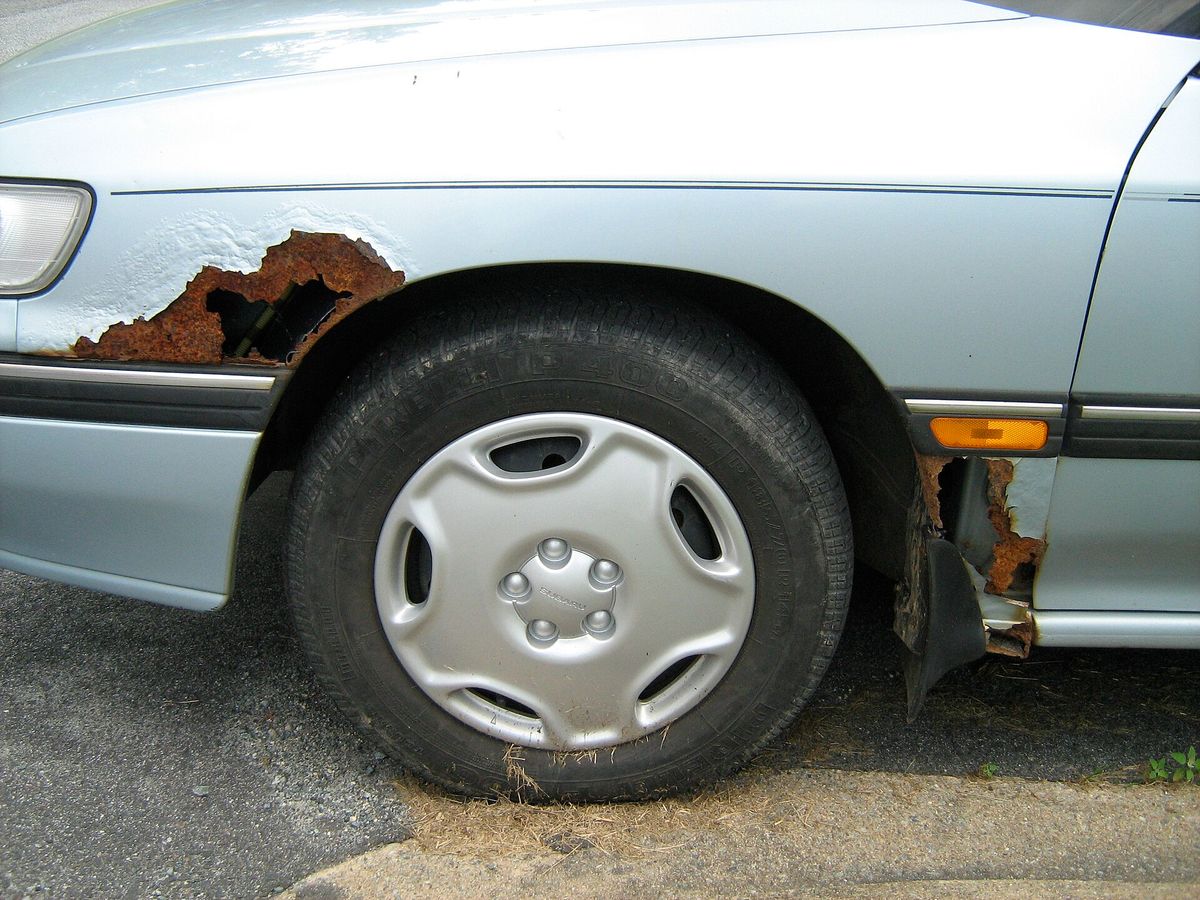
If you live in a salt-belt or coastal area, drive through real winters, or plan to keep the car for years, yes. A yearly oil-based coating is cheap next to the four-figure rust repairs it helps prevent. If you live somewhere dry, lease, or will sell soon, the payoff is smaller. And never coat over rust that has already started; treat that first, then protect the clean metal.
What changes the price
| What changes the price | Effect on cost |
|---|---|
| Product type | Oil and wax-based sprays (like Fluid Film) are cheaper and reapplied yearly; rubberized and asphalt coatings cost more and last longer. |
| Vehicle size | A truck or SUV has more underbody to cover than a sedan, so it costs more. |
| Prep and existing rust | A clean, new underbody is quick; an older one may need cleaning or rust treatment first. |
| Annual vs one-time | Oil-based coatings are an annual service; rubberized is closer to one-time but can trap moisture if applied over existing rust. |
| DIY vs shop | DIY with aerosol cans is far cheaper but messier and less thorough than a shop application on a lift. |
DIY or hire a pro?
Do it yourself
$50–$120
Fluid Film or a rubberized aerosol applied at home on ramps is a real option for $50 to $120 a year. It is messy and less complete than a shop on a lift, but done yearly it genuinely slows rust on a winter car.
What you'd buy on Amazon:
Hire a pro
$150–$600
A shop cleans and coats the full underbody on a lift for $150 to $600 depending on vehicle size and product. Oil-based services are cheaper and annual; rubberized coatings cost more and last longer.
As an Amazon Associate, PanelProof earns from qualifying purchases.
Is it worth fixing?
Fix it if…
you live in a salt-belt or coastal area, drive through winters, or plan to keep the car many years. Yearly oil-based undercoating is cheap insurance against four-figure rust repairs later.
Live with it if…
you live in a dry climate, the car is leased or short-term, or it is already rusting badly. Coating over existing rust can trap moisture and make it worse.