Rust Repair Cost (2026): Surface Spots to Rot-Through
Car rust repair costs $50 to $2,500 in 2026. Surface rust is cheap to stop; rot-through needs welding. See the stages, DIY options, and when to act fast.
Typical cost
$50$2,500
Costs reviewed July 2026
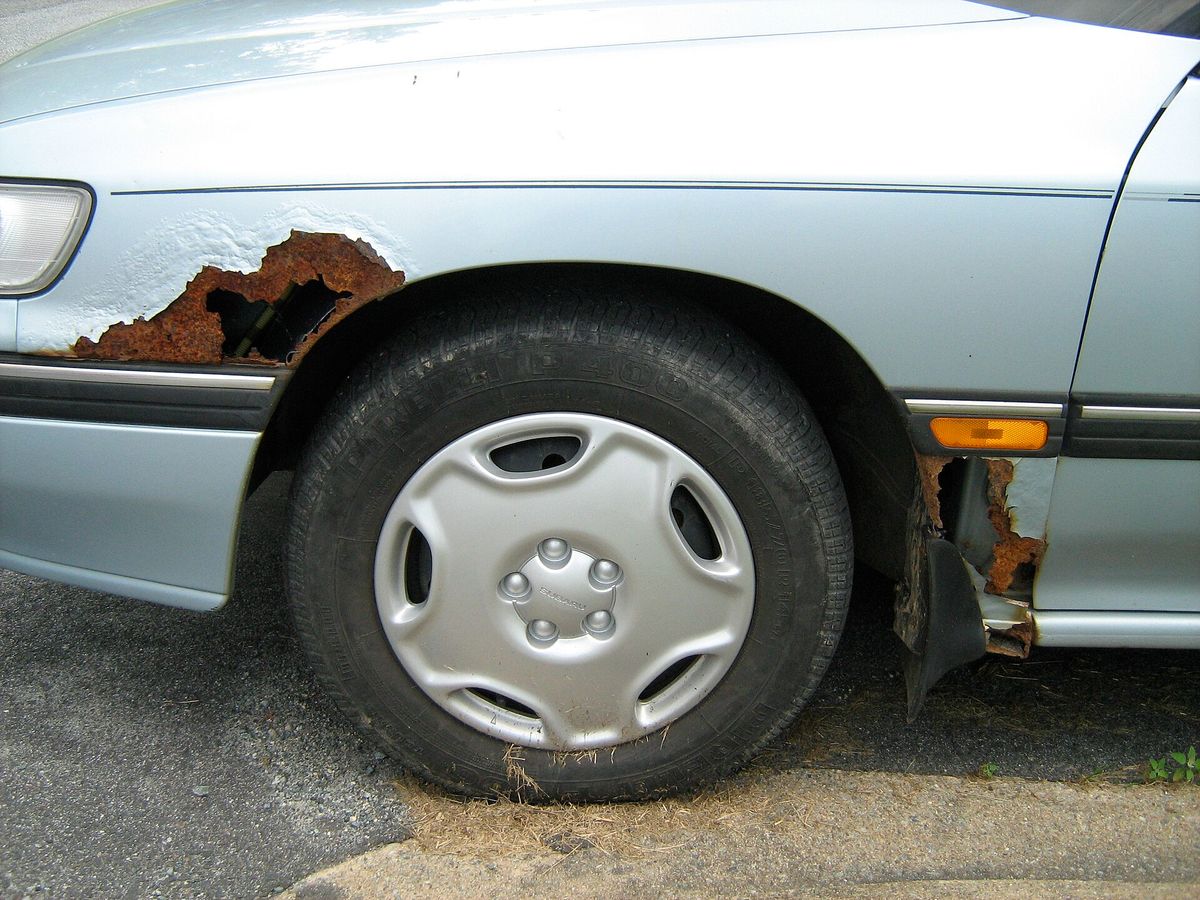
Rust repair runs anywhere from $50 to $2,500, and the gap is all about timing. Surface rust caught early is a cheap sand-and-paint job. Rust left until the metal bubbles and perforates becomes a cut-and-weld repair that costs many times more. Of every cost on this site, rust is the one where acting fast saves the most money.
Most people who catch rust at the bubbling stage pay around $500 per area. Here is how the stages break down.
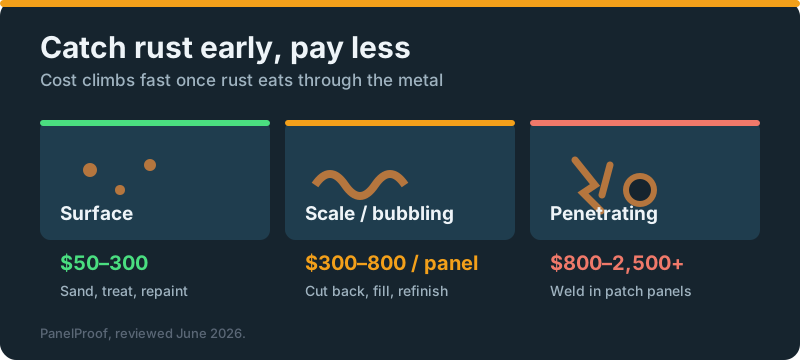
The three stages
- Surface rust: $50 to $300. Light orange staining on the paint surface. Sand, treat, prime, paint. The cheap stage, and the one to act on.
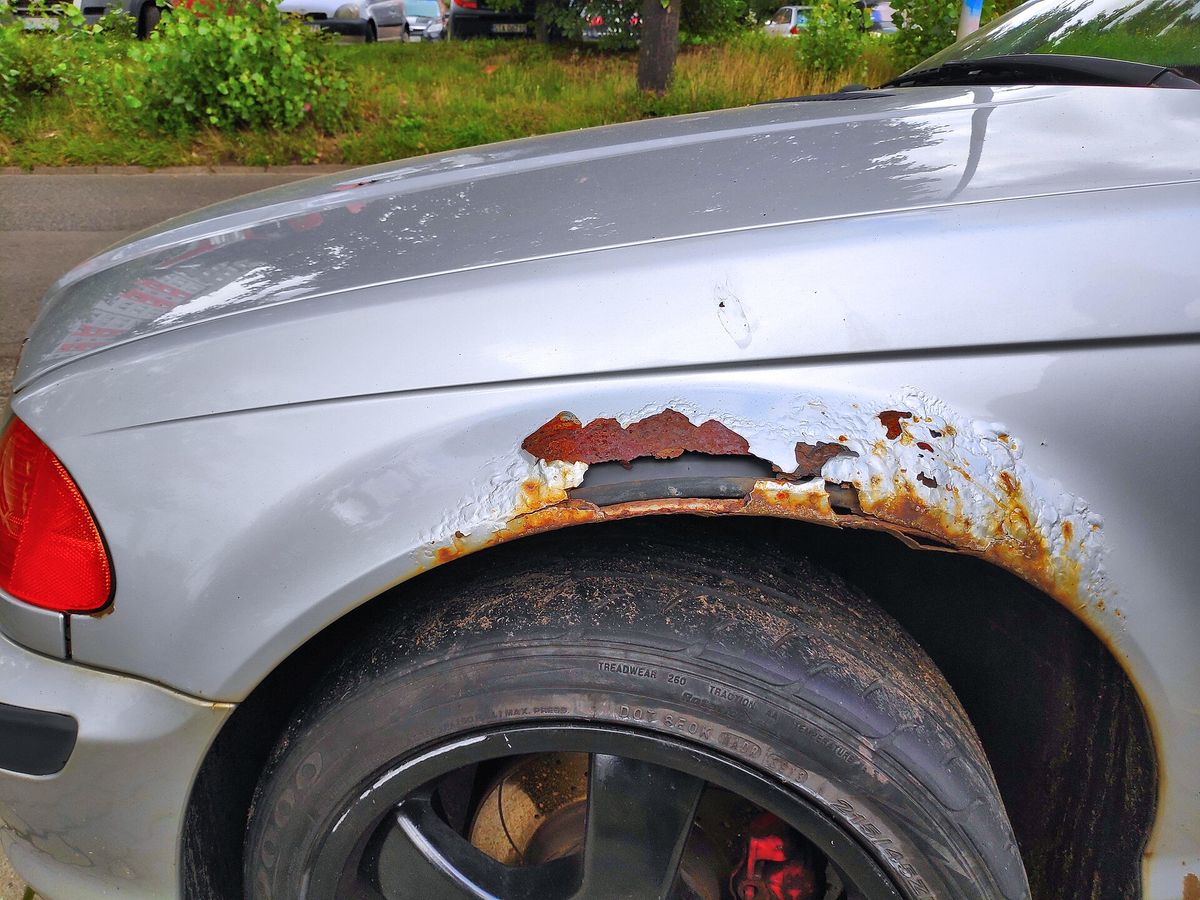
- Scale and bubbling: $300 to $800 per panel. The paint is lifting and the metal is pitting. The shop cuts back to clean metal, fills, and refinishes.
- Penetrating rot-through: $800 to $2,500 and up. The metal has holes. The only real fix is cutting out the bad section and welding in a patch panel, then priming, painting, and blending.
Why early rust is so cheap and late rust is so expensive
Rust spreads under the paint and eats metal from behind, so what looks like a small bubble is usually larger underneath. While it is still surface staining, a $20 rust converter and some primer stop it cold. Once it perforates, you are paying for metalwork, welding, and a blended repaint, which is why rot-through climbs past $1,500. The lesson is simple: treat rust the week you see it, not the season after.
Structural rust is a different category entirely
Everything above is about panels: fenders, doors, rocker trim, the sheet metal you can see. Rust that reaches the frame, subframe, or unibody structure is not a cosmetic decision anymore, it is a safety one. Control arms, suspension mounts, and the engine cradle all depend on sound metal to stay attached under load, and rust-weakened mounting points have been documented failing outright, not just looking bad. On a body-on-frame truck or SUV, that means the separate steel frame rail. On a unibody car, which is most passenger cars built since the 1990s, the structure and the body panels are the same welded steel shell, so rust anywhere in that shell is potentially structural, not just the areas that look rough.
This is also where DIY stops making sense, even for someone comfortable with a welder. Repairing a structural section correctly means cutting back to clean, unaffected metal, which is usually a bigger area than the visible rust suggests, since corrosion travels under paint and seam sealer before it shows from outside. It means matching the manufacturer’s steel gauge and weld pattern, because a patch that looks solid but doesn’t match the original structure’s strength can flex differently than the engineered shell around it under a hard stop or a hit. A shop that doesn’t reference your VIN or OEM repair procedures before welding a structural section isn’t doing this correctly. If an inspector or mechanic flags frame or subframe rust as advisory, get a second opinion from a shop that specializes in structural repair, not a general body shop, before deciding whether the car is worth saving.
DIY that genuinely helps
Surface rust is one of the best DIY jobs in this whole category. Sand the spot back to clean metal, brush on a rust converter to neutralize what is left, prime with a self-etching primer, and paint to match your color code. A kit runs $20 to $60 and buys you years. Where DIY stops helping is bubbling and holes, because treating the surface does nothing about the metal already lost behind it. That is shop work.
The $20 rust converter that works so well on surface rust isn’t magic, it’s straightforward chemistry. Most converters pair two acids, tannic and phosphoric, that react with the iron oxide and bind it into a stable black film instead of the loose, flaking red material it started as. That film seals out moisture and gives paint something solid to grip. It’s a genuinely effective reaction, which is why DIY holds up here under scrutiny, but it has a hard limit: the chemistry converts existing rust, it doesn’t rebuild steel that has already corroded away. Once a panel has a hole, no amount of converter closes it, because there’s no metal left to convert. Converters also only work on ferrous metal, iron and steel; they do nothing for aluminum trim or components, which corrode through an entirely different process.
The weld-and-patch process, for real
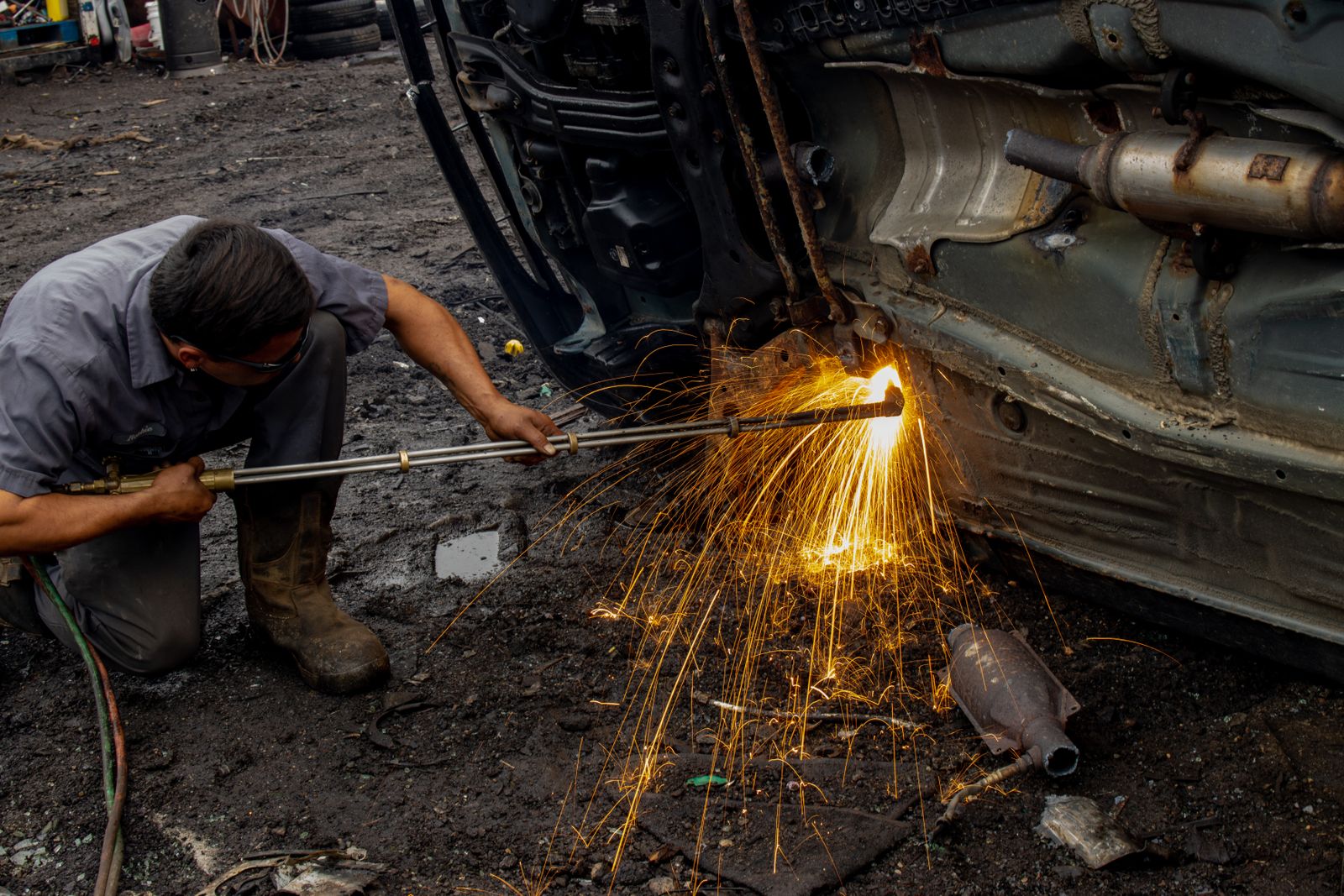
When a shop quotes patch-panel work for rot-through, here is what that price actually buys: cutting out the rusted section back to clean metal, shaping and welding in a new patch (either a pre-stamped OEM replacement panel or hand-formed sheet metal for less common spots), applying seam sealer and corrosion-resistant primer to the weld the way the factory would have, then blocking, priming, and blending the paint into the surrounding panel so the repair doesn’t show a color or texture line. Skipping the seam sealer or primer step is the single most common corner cut on a cheap rust quote, because it’s invisible at pickup and only shows up as fresh bubbling twelve to eighteen months later, in the exact spot that was supposedly just fixed. If you’re comparing quotes on a patch-panel repair, ask specifically whether the price includes seam sealer and epoxy primer on the weld, not just filler and paint over top.
When to stop spending
If the rust is cosmetic and the car is sound, fix it; it protects resale and a fresh scratch or chip sealed today prevents the rust tomorrow, which is why the car scratch repair guide pushes sealing bare metal early. If rust has reached the frame or structural areas, the repair can cost more than the car is worth, and at that point selling or retiring it is often the honest call. To stop rust before it starts on a car you are keeping, undercoating is the preventive move.
What changes the price
| What changes the price | Effect on cost |
|---|---|
| Stage of rust | The decider. Surface rust is cheap; bubbling scale costs more; rot-through needs welded patch panels. |
| Size and number of spots | A single small spot is quick; several areas or a whole rocker panel multiply the labor. |
| Location | Flat, accessible panels are easy; wheel arches, rockers, and frame areas are harder and pricier. |
| Paint blend | Treating rust means repainting, and blending the new paint into the surrounding panel adds cost. |
| Structural vs cosmetic | Cosmetic surface rust is a refinish; frame or structural rust is a safety repair and a different category. |
DIY or hire a pro?
Do it yourself
$20–$60
Early surface rust is a genuine DIY win: sand it back, treat with a rust converter, prime, and paint. Once metal is bubbling or holed, DIY only delays the inevitable; that is cut-and-weld shop work.
What you'd buy on Amazon:
Hire a pro
$200–$2,500
A body shop sands and refinishes surface rust for a few hundred dollars, cuts and fills bubbling panels for $300 to $800 each, and welds in patch panels for rot-through, which is where costs climb past $1,500.
As an Amazon Associate, PanelProof earns from qualifying purchases.
Is it worth fixing?
Fix it if…
the rust is still surface or just bubbling (it spreads fast once started), the car is a keeper, or you are selling. Catching rust early is the single biggest money-saver in this whole category.
Live with it if…
it is a tiny surface spot on an older car you will not keep long, and you are willing to watch it. Even then, a $20 rust converter buys you time for almost nothing.