Rocker Panel Rust Repair Cost (2026): Patch vs Replace
Rocker panel rust repair costs $300 to $5,600 in 2026. A small welded patch is cheap; full weld-in replacement is structural work. See real prices and when DIY makes sense.
Typical cost
$300$5,600
Costs reviewed July 2026
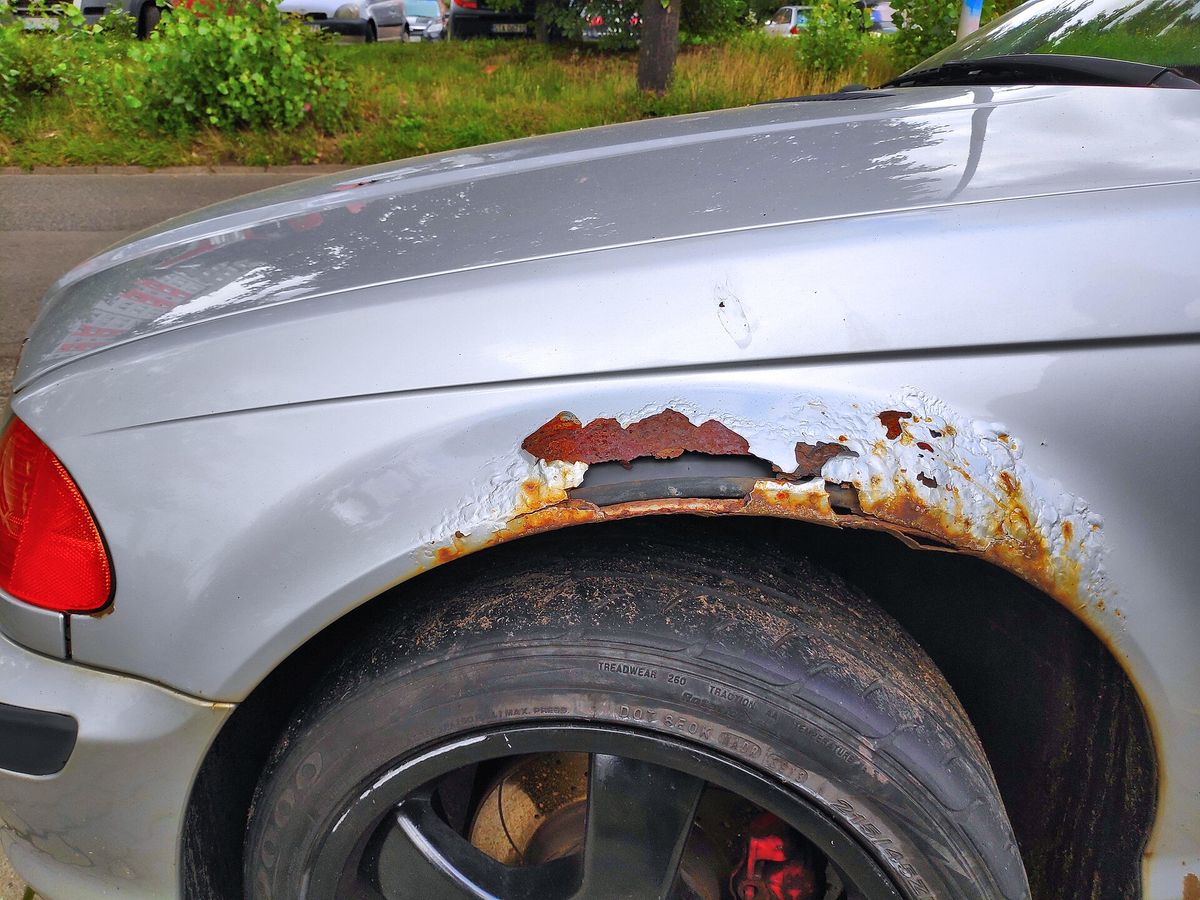
Rocker panel rust repair runs $300 to $5,600, and the number that decides where you land is whether the rust is still on the surface or has already eaten through the metal. A rocker is the structural sill that runs under both doors, and it is one of the first places road salt and wheel-well spray attack, because water collects and sits there long after the rest of the car has dried.
Most people who get a single rocker panel actually replaced pay around $1,500. Here is why the range is so wide, and how to figure out which end you are on.
Why rockers rust before anything else
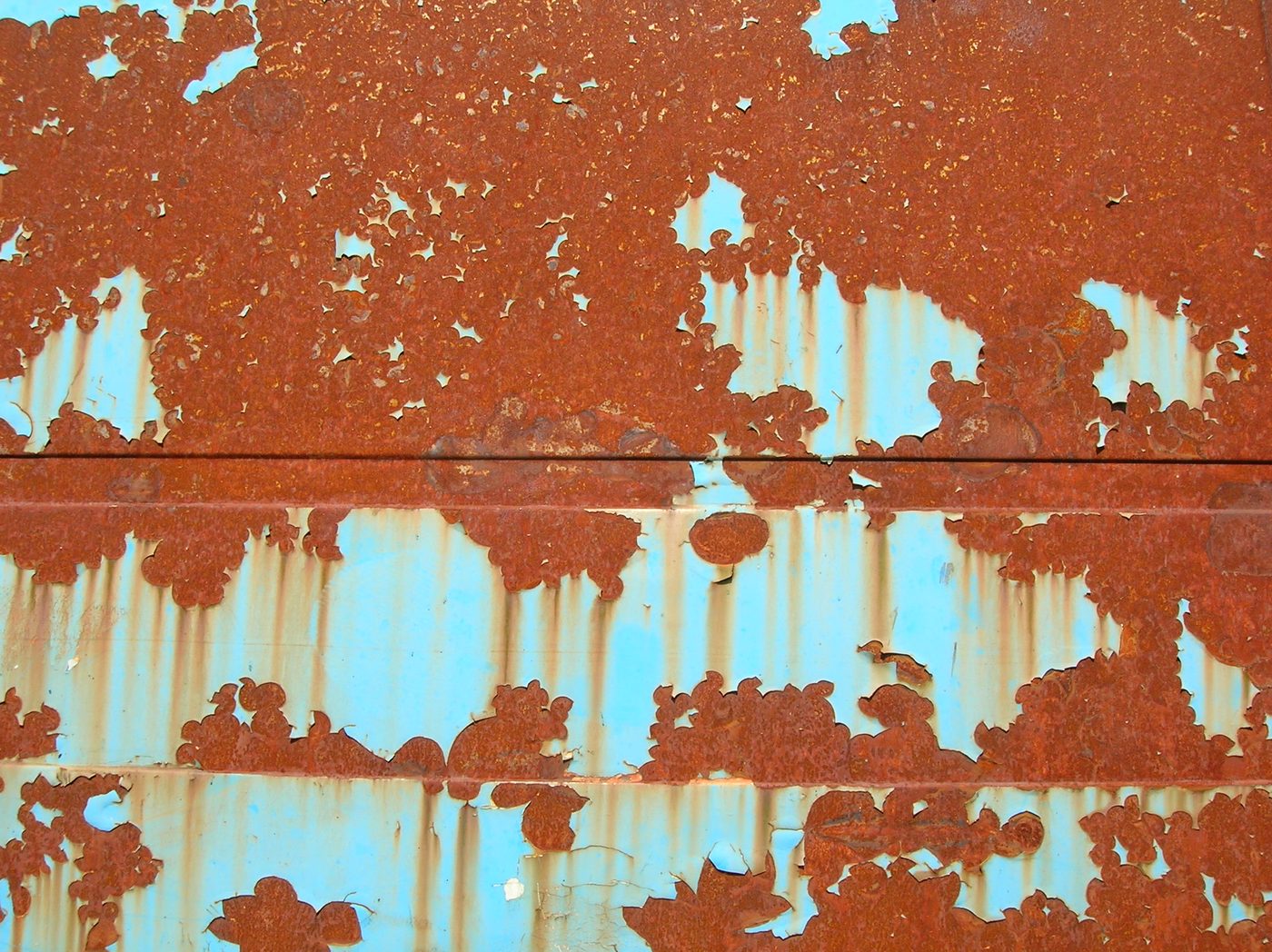
A rocker panel sits low, runs the full length of the door opening, and has a drain channel design that traps grit and road salt inside it by design. Add winter road treatment and the inside of the panel corrodes from within long before you see anything on the painted surface. By the time a bubble shows up in the paint, the rust behind it is usually bigger than it looks, which is the same lesson as the general rust repair guide, just with higher stakes here because the part is structural.
Why a rusted rocker isn’t just cosmetic
A rocker panel isn’t a trim piece hanging under the doors. On a unibody vehicle, which describes most cars and crossovers built since the 1990s, the rocker is a load-bearing member: aside from the roof rails, it’s one of the only parts of the body shell that ties the front structure to the rear structure along each side of the car. In a side impact, the rocker is part of what channels crash energy around the passenger compartment instead of letting it intrude into it. Every crash-test rating a car ever earned assumed those rockers were sound, full-thickness steel, not a decade of rust eating the metal thin from the inside. A weakened rocker doesn’t announce itself in an ordinary fender-bender. It announces itself in the one collision where the structure actually has to do its job, which is exactly the wrong moment to find out it can’t.
That’s why “it’s just a little bubble in the paint” deserves more suspicion on a rocker than the same bubble would on a fender or a door skin. Those panels are cosmetic skin wrapped around a structure that lives somewhere else on the car. On the rocker, the panel is the structure.
Patch vs full replacement: what actually sets the price
- Small welded patch, solid backing metal: $300 to $800. Cut out the rusted section, weld in a smaller piece, prime and paint.
- Full rocker panel replacement, one side: $800 to $2,500, including paint and finishing. This is the modal case for anyone who searches this term with a car they intend to keep.
- Both rockers, or rockers plus rusted cab corners: $2,000 to $5,600. Common on trucks and SUVs, where the same road exposure hits both sides and the cab corners at once.
Labor is most of the bill. A patch runs 6 to 12 hours; a full weld-in replacement runs 8 to 20 hours per side at $75 to $150 an hour, because the work involves removing old spot welds, test-fitting the new panel, plug-welding it in, then filling, priming, and blending paint into the surrounding panels.
Is this a DIY job? Be honest about it
Rockers tie into the jack points and the unibody structure, so this is a different category from patching a fender. If you already own a MIG welder and have welded sheet metal before, materials for a single-side patch run $300 to $500, and a full weld-in kit runs $500 to $1,500. Budget 15 to 40-plus hours as a first-timer working carefully, well beyond the 8 to 20 hours a shop needs, because a shop is not learning the process as they go. If you have never welded load-bearing steel, this is the one repair on this site where hiring it out is the honest recommendation, not just the easy one. A weak structural weld is not a cosmetic risk. It is a jack-point-failing-under-a-car risk.
Rust that fails an inspection, not just an eyesore
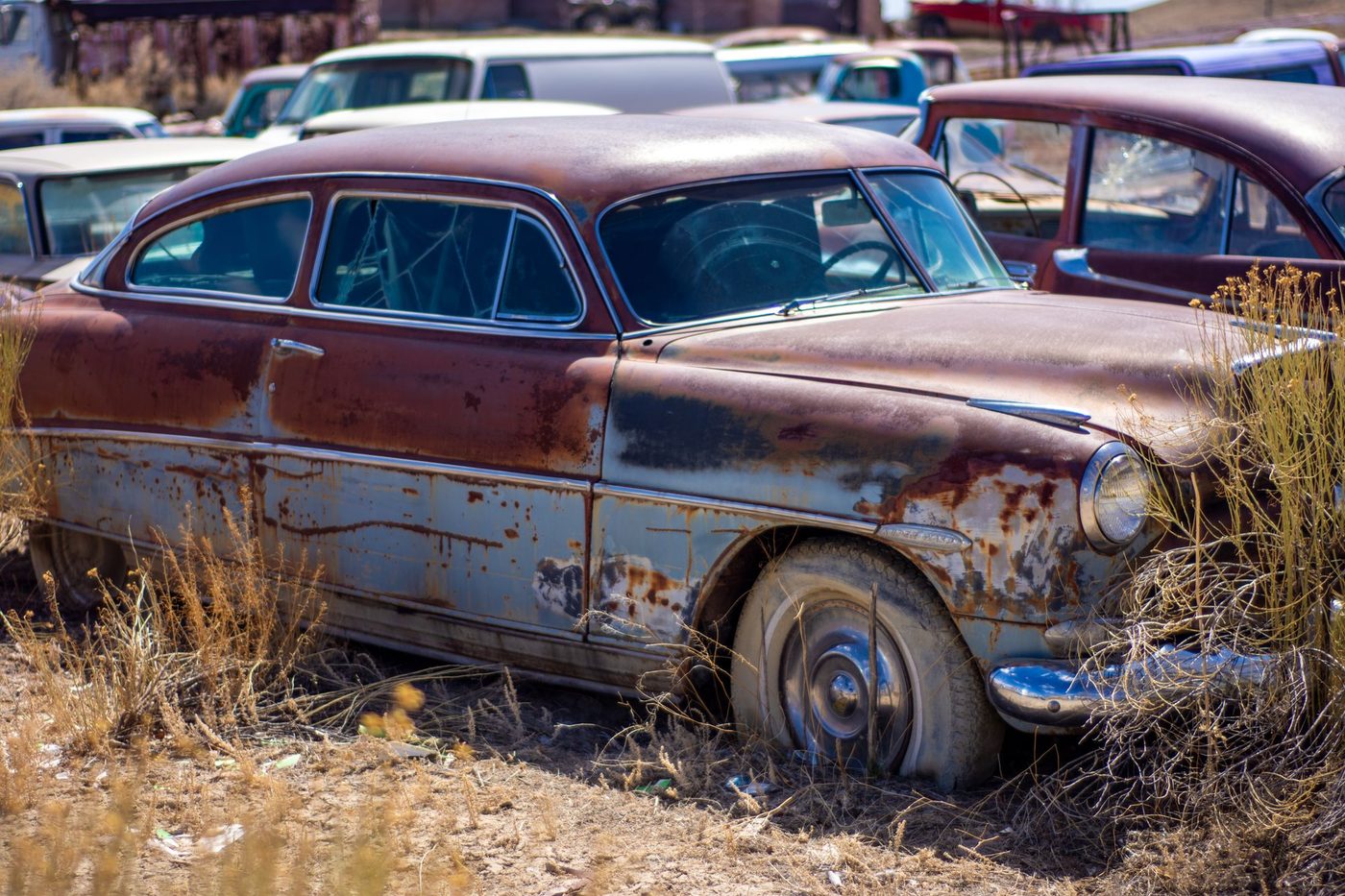
Several states run visual safety inspections that specifically check rocker and frame rust, because a rocker that has lost structural integrity affects how the car handles a side impact. If you are in one of those states, or you are selling the car and a buyer’s mechanic will crawl underneath it, structural rust here is not optional the way a cosmetic dent is. Get it looked at by a shop that does bodywork, not just a mechanic, since spotting how far the rust runs behind the visible bubble takes someone who has cut into a few of these before.
How strict that inspection is varies more than most people expect. Pennsylvania’s official safety inspection bulletin (BI11-1) rejects a body rust hole of essentially any size, on the reasoning that a hole of any dimension creates a protruding edge, and separately requires the frame to be in solid condition, not just the visible skin. Other inspection states apply a softer line, generally failing a car only once rust has perforated far enough to let exhaust gases into the passenger compartment or created a genuine floor hazard, rather than failing on cosmetic surface bubbling alone. The rules also change over time and get applied with some judgment inspector to inspector, so if your car is near the visible-rust stage and you’re in a state that inspects, it’s worth a call to your local inspection station to find out exactly where the line sits before you decide how urgently to fix it.
Catch it at the surface stage and a rust converter plus paint buys years for under a hundred dollars. Let it perforate and you are paying shop labor rates to weld in new structural steel, the same lesson undercoating exists to prevent in the first place.
What changes the price
| What changes the price | Effect on cost |
|---|---|
| Surface staining vs perforation | The decider. Surface rust on a rocker is a sand-and-paint job. Once it has eaten through the metal, you are into cutting and welding. |
| Patch vs full weld-in panel | A small welded patch over a solid backing can run a few hundred dollars. A full rocker panel replacement, cutting out the whole section and welding in new steel, runs into the thousands. |
| One side vs both, plus cab corners | Rust that started on one rocker often shows up on the other from the same road-salt exposure. Cab corners frequently go at the same time on trucks and SUVs. |
| Labor hours | A patch repair runs 6 to 12 labor hours. A full weld-in replacement runs 8 to 20 hours per side, at shop rates of $75 to $150 an hour. |
| Panel sourcing | OEM panels cost the most and fit exactly. Aftermarket stampings balance cost and fit. Universal patch panels are cheapest but need trimming. |
DIY or hire a pro?
Do it yourself
$350–$1,800
Rockers are structural, they tie into the jack points and the unibody, so this is not a beginner wrench-and-socket job. If you already weld and have done sheet metal work before, materials for a weld-in patch run $300 to $500 per side, or $500 to $1,500 for a full replacement kit. If you have never run a MIG welder on load-bearing steel, hire it out. A bad structural weld is a safety problem, not just a cosmetic one.
What you'd buy on Amazon:
- MIG welder for auto body sheet metal, for anyone with prior welding experience attempting a patchAmazon
- Weld-in rocker panel patch, steel, buy for your specific make and model, not a universal blank, when possibleAmazon
- Rust converter and automotive seam sealer, treat any remaining surface rust and reseal seams before paintingAmazon
Hire a pro
$300–$5,600
A small welded patch over solid backing metal runs $300 to $800. A full weld-in replacement of one rocker panel, cutting out the rusted section and welding in new steel, typically runs $800 to $2,500 including paint. Both sides plus rusted cab corners on a truck or SUV can climb to $2,000 to $5,600.
As an Amazon Associate, PanelProof earns from qualifying purchases.
Is it worth fixing?
Fix it if…
the rust has reached the rocker's structural steel, the car is a keeper, or you are in a state that inspects for frame and body rust. Rockers hold the jack points and tie the unibody together, so this is not damage to defer indefinitely.
Live with it if…
it is light surface staining on a rocker you are watching closely, on a car you plan to sell or retire soon. Even then, a rust converter and some primer buys real time for very little money.