Rim Repair Cost (2026): Curb Rash, Gouges, and Bent Wheels
Rim repair costs $75 to $400 per wheel in 2026. Estimate curb rash, gouges, or a bent rim by wheel type, and see when an alloy wheel should be replaced instead.
Estimate your rim repair
Pick what is wrong with the wheel, the wheel type, and how many. Curb rash is cheap; a bent alloy is the one to watch.
Estimated repair cost
$75$150
Most people pay around $115
How this is worked out
1 alloy wheel with curb rash.
Steel and chrome wheels can usually be bent back; a bent alloy often has to be replaced rather than straightened for safety. Powder coating four wheels typically lands around $350–$900 as a set.
An estimate from typical US shop pricing, not a quote. Get it in writing from a local shop. Your exact cost depends on the vehicle, paint, and labor rates near you.
Costs reviewed July 2026.
Typical cost
$75$400
Costs reviewed July 2026
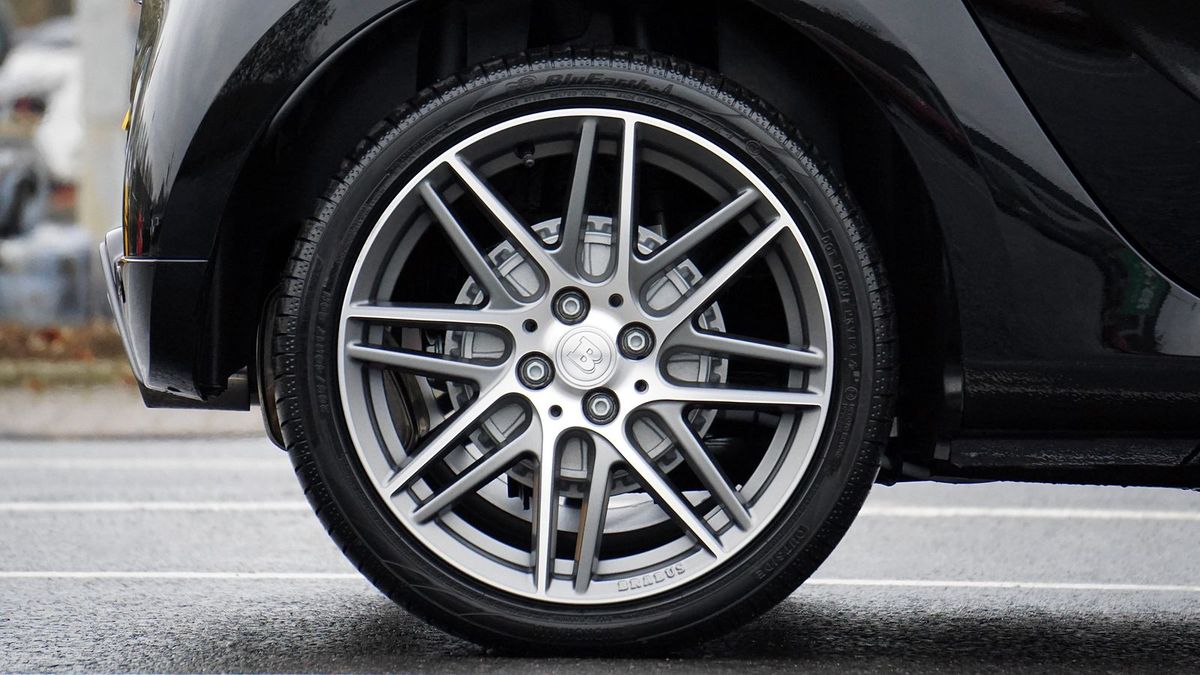
Rim repair runs about $75 to $400 per wheel, and most curb-rash jobs land near $150. What you pay depends on what is wrong with the wheel and what it is made of. A scuffed painted alloy is cheap to refinish. A bent aluminum wheel is the one that can turn into a replacement instead of a repair.
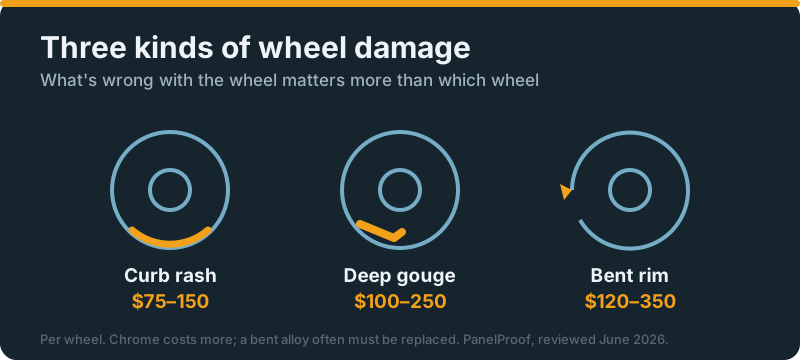
The three kinds of wheel damage
- Curb rash and scuffs: $75 to $150 a wheel to sand, fill, and refinish. The most common and cheapest.
- Deep gouges: $100 to $250, since the gouge has to be filled before refinishing.
- Bent rims: $120 to $400 when straightenable. This is where material matters most.
Material moves every one of those numbers. Steel sits at the low end of each range. Chrome and other specialty finishes cost more to match, so they push the same repair toward the top.
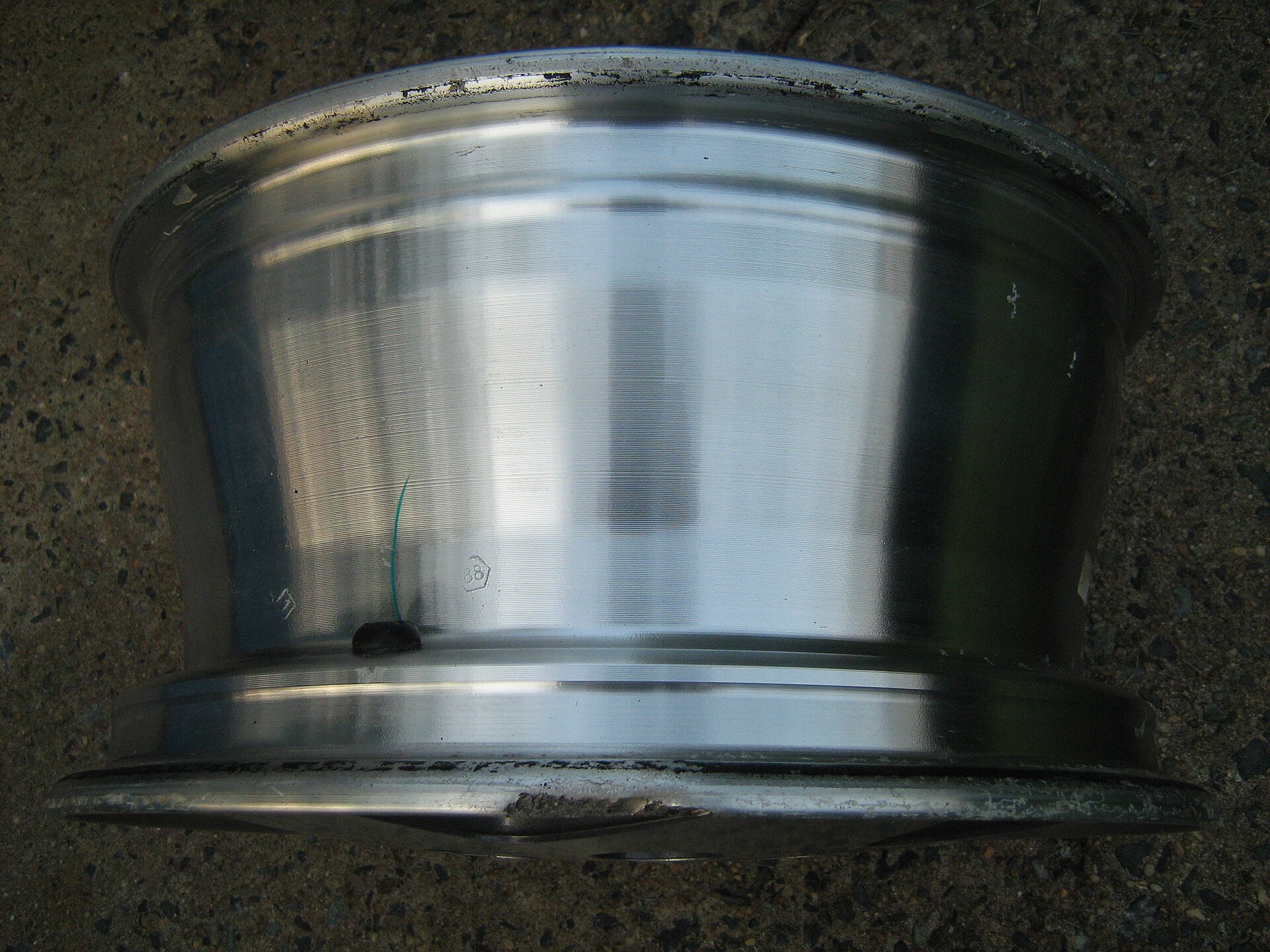
The alloy bend warning
Steel and chrome wheels can usually be bent back into shape. Aluminum alloy is different: it is not malleable the same way, and heating and bending it can weaken the metal. So a meaningfully bent alloy is often replaced rather than straightened, because a straightened alloy that fails at speed is a safety problem, not a cosmetic one. A reputable wheel shop will tell you honestly whether yours is safe to straighten. If a pothole bent a wheel badly enough that it loses air or vibrates, treat it as a replacement and check whether your comprehensive coverage includes road-hazard damage.
How a shop straightens a bent wheel matters as much as whether they should attempt it at all. There are two methods. Cold straightening presses a powered roller against the spinning wheel on a lathe to push the bend out with no heat at all; it’s faster and cheaper, but because aluminum’s internal crystalline structure gets disrupted right where it bent, working it cold carries a real risk of a hairline crack that won’t show up until the wheel is back on the road. Hot straightening heats the bent area first, typically to 250 to 350 degrees Fahrenheit, before working the bend out; the heat re-anneals the disrupted metal as the bend is corrected, which is why reputable wheel-repair shops treat hot straightening as the safer method for anything beyond a very minor bend. If you’re getting a wheel straightened rather than replaced, ask which method the shop uses and whether they crack-test the wheel afterward, typically with a dye-penetrant or ultrasonic check. A shop that straightens and hands the wheel back with no inspection is skipping the step that actually confirms it’s safe to drive on.
DIY curb rash
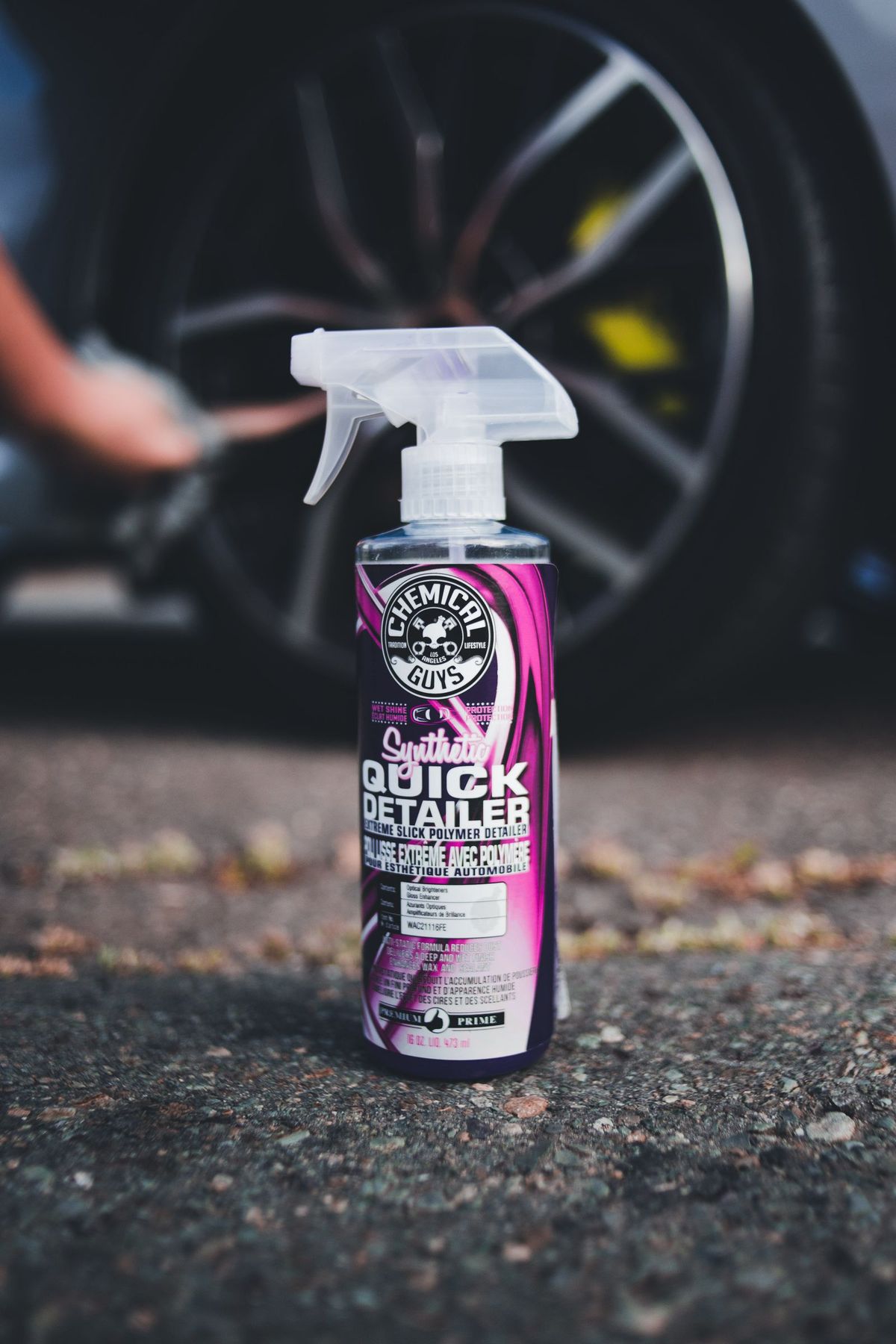
Light curb rash on a painted alloy is a satisfying DIY job. A curb-rash kit runs $20 to $60 and includes filler, sandpaper, and primer; add wheel paint matched to your finish. The catch is finish type. A flat painted wheel is forgiving. A machined, polished, or two-tone face is very hard to match by hand, so those are better left to a shop with the right equipment. Anything bent or cracked is not a DIY job.
The line item people forget: TPMS
Pulling a tire off to refinish or straighten a wheel means the valve stem seal comes off too, and that seal should be replaced, not reused, or it can leak air slowly enough that you don’t notice until the pressure light comes on weeks later. A basic reseal kit, the valve core, cap, and grommet, runs $5 to $15 a wheel, and most shops fold it into the labor without itemizing it. Actually replacing a TPMS sensor, if the shop damages one or one fails during the job, is a different number: $50 to $150 for the sensor alone depending on your vehicle, before labor. If a quote already involves tire removal for a wheel repair, a properly itemized one should show the reseal kit as a line, even a small one; if a shop’s quote is silent on it, ask.
Refinish one or all four?
If one wheel is curbed, you can refinish just that one, but a fresh painted finish on a single wheel can stand out against three weathered ones. Many people refinishing for resale or a lease return do all four, or step up to powder coating the full set, which is more durable and lets you change the color.
Run your wheel through the estimator first. Knowing curb rash should be about $75 to $150 a wheel keeps a simple refinish from being quoted like a replacement.
What changes the price
| What changes the price | Effect on cost |
|---|---|
| Type of damage | Curb rash refinish is cheapest; a deep gouge needs filling; a bent rim is the priciest and sometimes unrepairable. |
| Wheel material | Steel bends back easily and cheaply; alloy often cannot be straightened safely; chrome and specialty finishes cost more. |
| Number of wheels | Curbing one wheel is common; matching a refinish across all four costs proportionally more. |
| Finish | Machined, polished, and two-tone faces are harder to refinish invisibly than a single-color paint. |
| Repair vs replace | A bent or cracked alloy that affects safety should be replaced, which costs more than a cosmetic refinish. |
DIY or hire a pro?
Do it yourself
$20–$60
Light curb rash on a painted alloy is a real DIY job with a curb-rash kit, sandpaper, filler, and matching paint. Machined or polished faces, deep gouges, and any bend are shop or replacement territory.
What you'd buy on Amazon:
Hire a pro
$75–$400
A wheel shop sands, fills, and refinishes curb rash for $75 to $150 a wheel, fixes gouges for $100 to $250, and straightens a steel or repairable bent rim for $120 to $400. Bent alloys are often replaced instead.
As an Amazon Associate, PanelProof earns from qualifying purchases.
Is it worth fixing?
Fix it if…
the wheel is curbed cosmetically, you lease or plan to sell, or a steel rim is bent but straightenable. Refinishing a set freshens the whole car cheaply.
Live with it if…
it is a light scuff on an older steel wheel or a wheel hidden behind a cap. Cosmetic curb rash does not get worse on its own.
Consider a claim if…
a pothole bent an alloy badly enough to lose air or vibrate. That is a safety issue: replace it, and check whether comprehensive covers a road-hazard bend.