Quarter Panel Dent Repair Cost (2026): PDR vs. Replace
Quarter panel dent repair costs $150 to $2,000 in 2026, from a paint-intact PDR pull to a body-filler repaint. Real prices, and why this panel isn't a simple swap.
Estimate your quarter panel dent repair
Quarter panel dents run through the same paintless-dent-repair math as a fender or door, with one extra variable: how much trim has to come off to reach the metal. Enter your dent size and paint condition below.
Estimated repair cost
$100$220
Most people pay around $160
How this is worked out
1 quarter-size dent on a door panel, paint intact so paintless dent repair applies.
PDR keeps the factory paint and runs 40–60% less than conventional bodywork. If the paint is broken, the panel needs filling and repaint, which is the higher number.
An estimate from typical US shop pricing, not a quote. Get it in writing from a local shop. Your exact cost depends on the vehicle, paint, and labor rates near you.
Costs reviewed July 2026.
Typical cost
$150$2,000
Costs reviewed July 2026
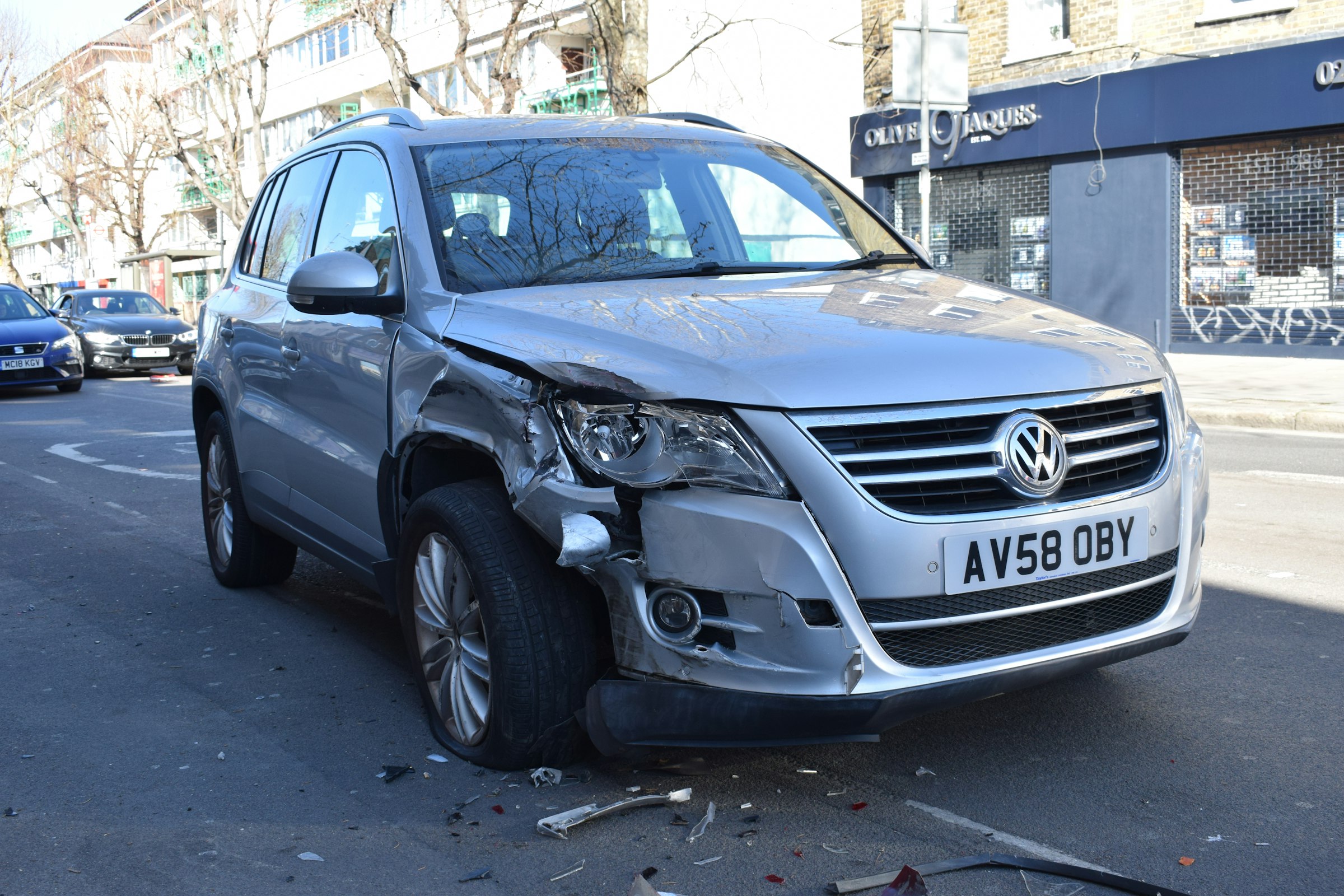
A quarter panel dent runs $150 to $2,000 to repair, and a typical paint-intact dent lands closer to $600 once you account for the extra access work this panel usually needs. The range is wide for a reason that doesn’t apply to a door or a fender: a quarter panel is welded to the car, not bolted on, so “just replace it” is a much bigger job here than it is anywhere else on the body.
That distinction is the whole story. Everywhere else on this site, a dent guide’s cost range comes down to paint intact or paint broken. Here, that’s still true, but the panel’s construction adds a second layer: how the shop reaches the back of the dent, and what happens if reshaping it isn’t an option anymore.
Why a quarter panel dent costs more than a fender or door dent
A fender is held on by six to eight bolts. Pull them, unplug the wiring for the marker light, and the whole panel comes off in ten minutes. A quarter panel was never designed to come off that way. My Car Auto Group’s breakdown of quarter panel work describes the actual process: removal means “grinding away the spot welds and cutting through the panel,” and a replacement goes back in “welded into place using MIG welding and spot welding techniques,” followed by sealing against corrosion.
That’s why the same size dent, same paint condition, costs more on a quarter panel than an equivalent spot on a fender. A fender that’s torn past repair gets unbolted and swapped. A quarter panel that’s torn past repair gets cut open, and a new section gets welded in. PDR and light bodywork exist specifically to keep a quarter panel dent out of that second category for as long as possible. If you’re not sure which panel you’re actually looking at, the car dent repair cost guide lays out door, bumper, fender, and quarter panel pricing side by side.
Can a quarter panel dent be fixed with PDR?
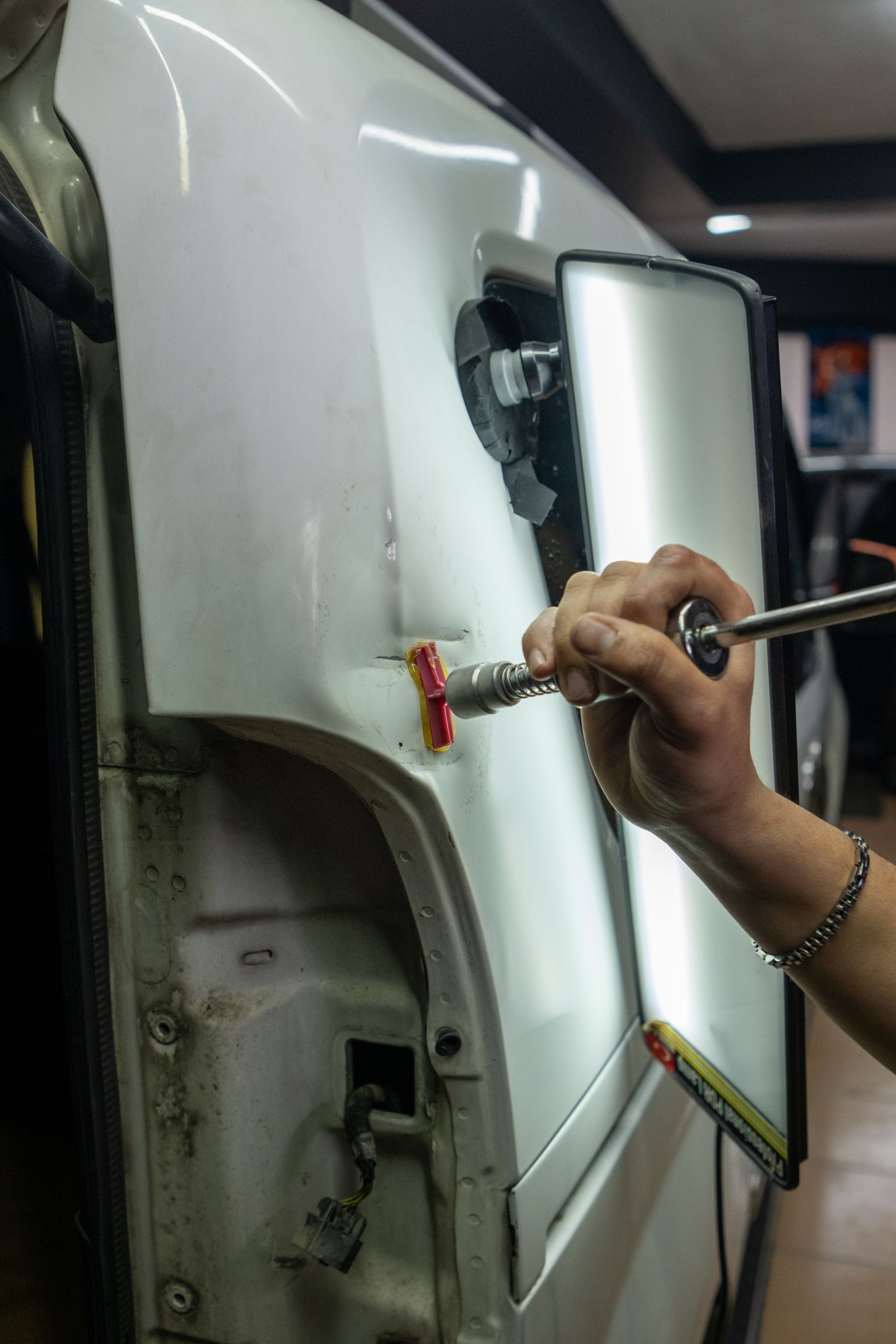
Yes, as long as the paint is intact and the metal hasn’t stretched or creased sharply. Paintless dent repair works the same way here as on any panel: a technician reaches the back of the dent with a rod or a glue-pulled tab and massages the metal flush, without cutting, filling, or repainting anything.
The size-tiered numbers from Dent Erasers’ 2026 pricing guide give a workable baseline: a small dent from 1 to 2 inches runs $150 to $300, and a 2- to 4-inch dent runs $300 to $600. Their national average for a single PDR job sits at $125, with single-panel repairs more typically landing $195 to $350 depending on the shop and market. Quarter panel work tends to sit at the higher end of whatever size tier it’s in, because of the access issue below.
The access problem, and why it adds to the bill
A door ding is usually reachable straight through the door’s own inner skin, once the interior panel is off. A quarter panel doesn’t have that convenient opening. EZTech PDR’s description of the process notes that a quarter panel job commonly requires removing interior trunk-side panels or the wheel-well liner, and sometimes the tail light, just to get a tool or a hand behind the dent.
That extra disassembly and reassembly is real labor, typically another 30 to 60 minutes over a comparable door repair, and most techs fold it into the quoted price rather than itemizing it. It’s also the reason two quotes for what looks like the same size dent can land $75 to $150 apart: one shop is pricing the dent, the other is pricing the dent plus the liner removal.
Where it stops being paintless
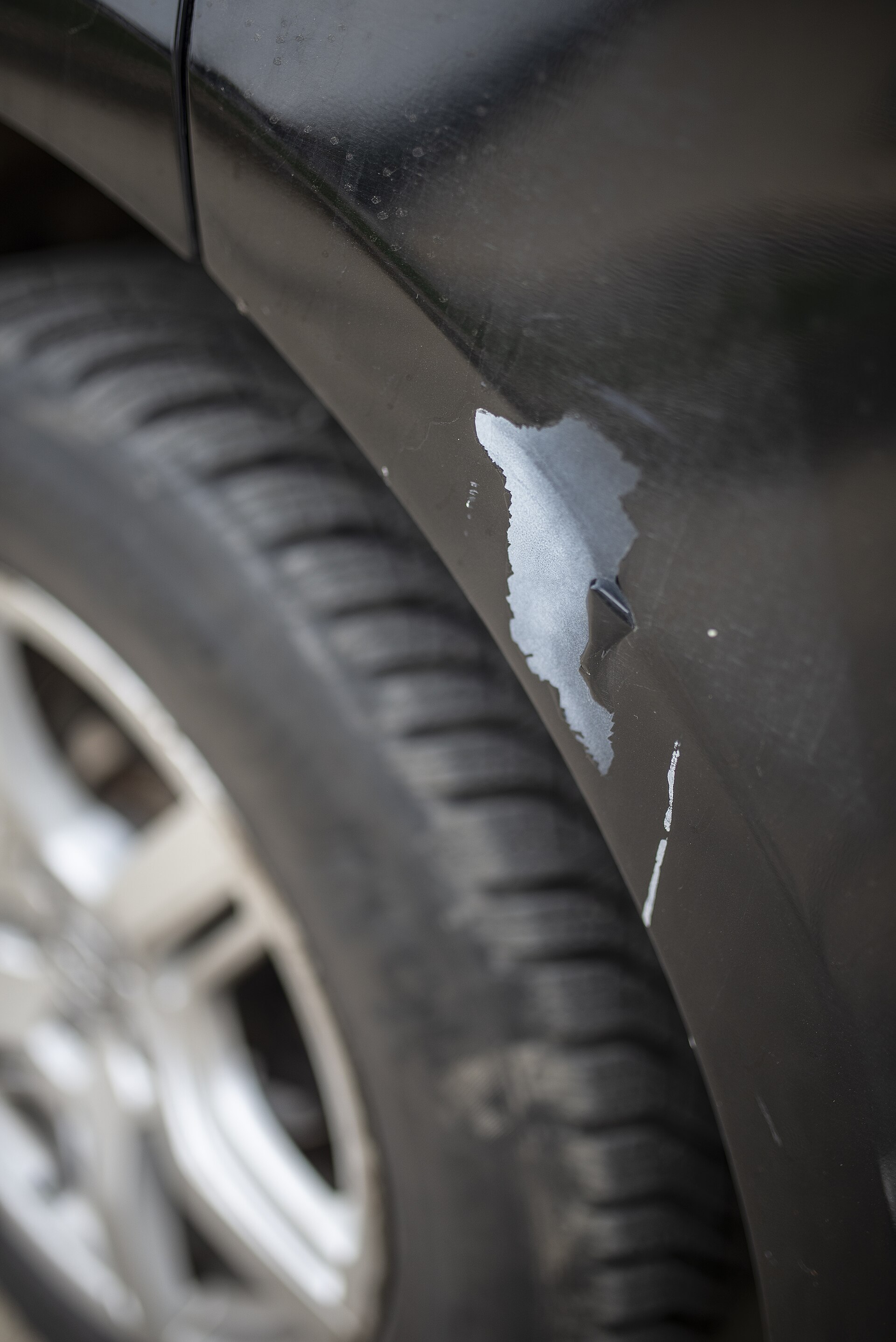
Run a fingernail over the dent. Smooth paint means PDR is still on the table. A chip, a crack, or bare metal means the panel needs filler, primer, and a blended repaint. And that repaint has to match the quarter panel’s own color, plus the rear door ahead of it, plus the bumper or trunk lid behind it.
Once the paint has broken, body-shop pricing takes over. Dent Erasers puts a palm-sized dent that needs filler, primer, and repainting at $500 to $1,000 in a traditional shop, and My Car Auto Group’s minor-damage tier, $300 to $800, covers roughly the same ground for a quarter panel specifically. A moderate dent with a real crease, the kind that stretched the metal rather than just displacing it, pushes toward $1,000 to $2,000 once you add labor for straightening the crease before filler goes on.
Don’t sit on a chip near the wheel arch. That’s the spot on the entire car most exposed to road salt and thrown gravel, and bare metal there starts rusting within weeks in a wet climate. The rust repair cost guide covers what that turns into if it’s ignored through a winter.
Is it cheaper to repair or replace a quarter panel?
Repair almost always wins, and by a wide margin, as long as the panel is still structurally sound. My Car Auto Group’s numbers put minor and moderate quarter panel repairs at $300 to $1,000-ish, well under full replacement.
Replacement is a different order of expense entirely. Engineer Fix’s December 2025 cost breakdown puts a full quarter panel replacement on a standard vehicle at $3,000 to $6,000, driven mostly by labor: 15 to 30 hours at $100 to $150 an hour, which alone runs $1,500 to $4,500, plus $400 to $1,200 for paint and refinishing. Parts for a common sedan can be “a few hundred dollars,” but OEM panels for a specialized or premium vehicle can run $3,000 or more on their own.
Trade-press coverage backs up why that labor number is so high. BodyShop Business’s breakdown of quarter panel replacement work lists everything a standard estimate tends to leave out: drilling out spot welds, replacing sound-deadening panels, corrosion-proofing the new metal, test-fitting the panel against the doors and tail light for alignment, and the blend time to match paint into two adjacent panels. None of that is optional work. It’s just work that’s easy to underquote.
The practical upshot: unless your quarter panel is torn, rusted through from the inside, or bent badly enough to affect how the doors or trunk close, repair is the right call every time. Replacement is for when reshaping genuinely isn’t possible anymore, not a default option to weigh against a $600 PDR quote.
DIY or call a tech
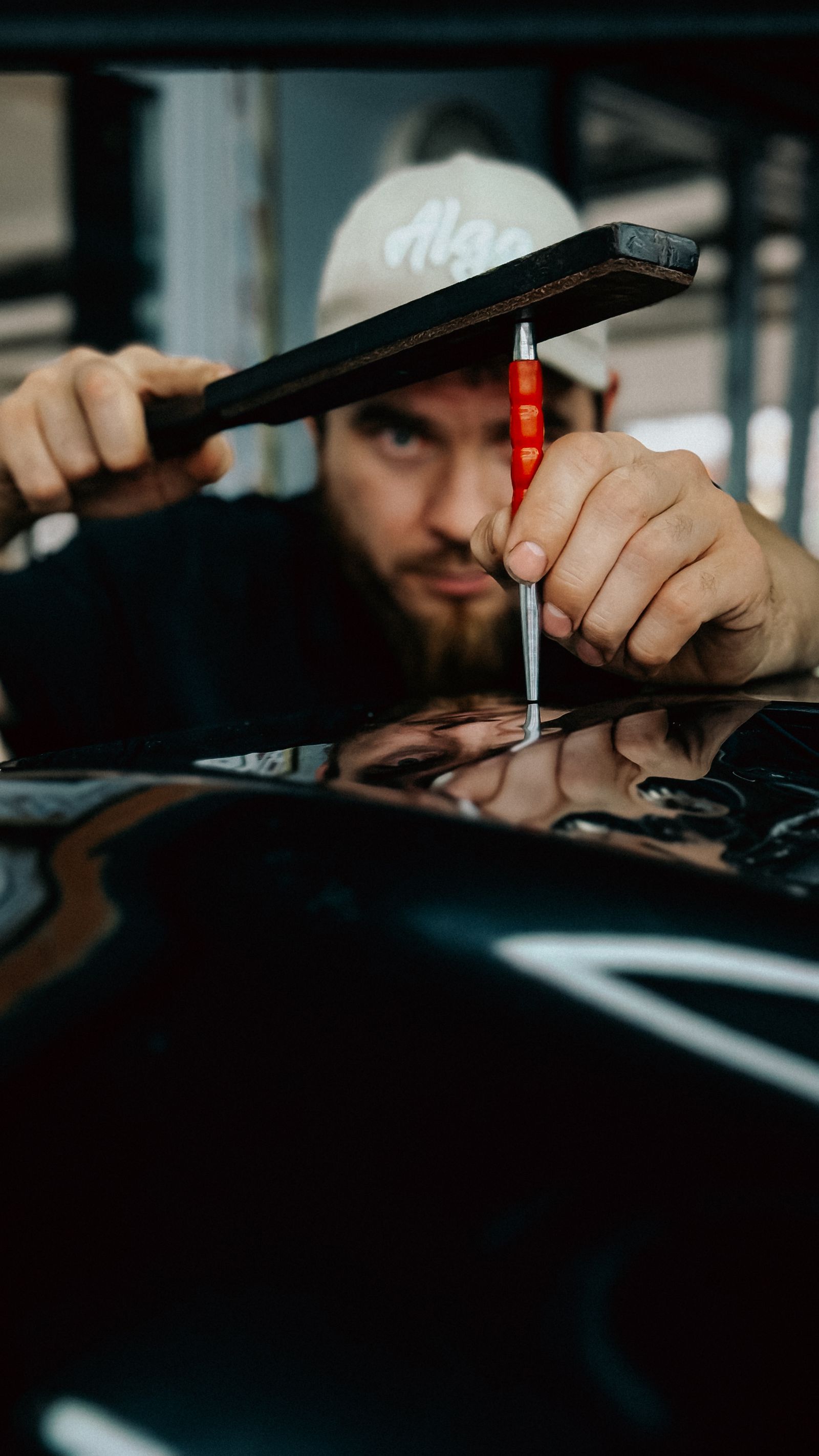
A shallow, paint-intact dent on the open, flat part of a quarter panel, away from the wheel arch, the character line, and the fuel door, is a reasonable DIY target with a $25 to $150 glue-pull kit, the same tool that works on a fender or door. Warm the panel in the sun for 20 minutes first, glue a tab to the low point, and pull straight out in small increments.
Where quarter panels differ from doors is what’s usually in the way. If reaching the dent means popping the wheel-well liner or trunk trim, that’s still doable at home with basic hand tools and some patience, but it raises the odds of scratching something or breaking a plastic clip in the process. Skip DIY entirely once the paint chips, the dent lands near the fuel door or a tail light, or you’d need to disconnect anything electrical to get access.
When it’s not a dent anymore
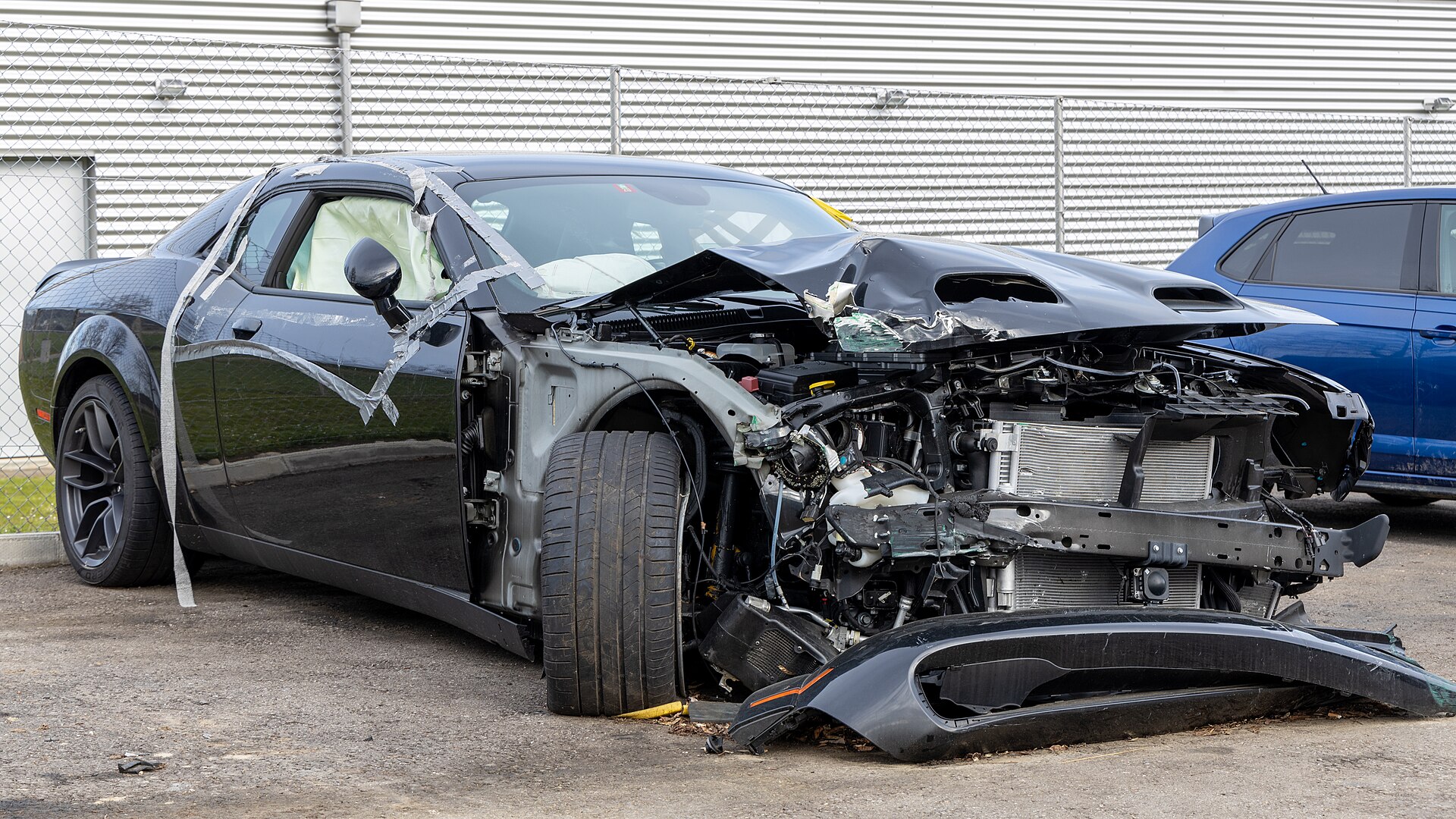
Some impacts skip straight past the dent-and-dent-repair conversation. A quarter panel that’s torn, folded sharply enough to have stretched the inner structure, or rusted through from behind where you can’t see it, isn’t a repair candidate. That’s a replacement estimate, and per the numbers above, a $3,000-plus one.
Because the quarter panel carries some structural load in a unibody car, an estimate at that scale is also where insurers start running total-loss math against the vehicle’s actual cash value. If your quote comes back anywhere near what the car is worth, ask the shop directly whether they’d call it repairable before you approve the work.
For an ordinary dent, though, the one that prompted the search in the first place, none of that applies. A quarter panel dent with intact paint is a $150 to $600 PDR job. One with cracked paint is a $500 to $2,000 body-shop repair. Replacement is the exception, reserved for damage that’s torn or structurally compromised, not the default once you hear the word “welded.”
If your dent is really on the fender ahead of the front wheel, or the door next to it, the fender dent repair cost and door ding repair cost guides cover those bolt-on panels, which price differently precisely because they come off with a wrench instead of a welder. And if you’re still not sure paintless repair is the right call at all, the paintless dent repair cost guide walks through the paint test in more depth across every panel type on the car.
What changes the price
| What changes the price | Effect on cost |
|---|---|
| Paint intact or broken | A paint-intact quarter panel dent is a $150–600 paintless pull. Once the paint cracks, you're into filler, primer, and a blended repaint, the same jump every panel on this site makes, except a quarter panel's paint match usually has to blend into two neighbors: the rear door and the bumper or trunk lid. |
| Welded, not bolted | A fender unbolts. A quarter panel doesn't. It's spot-welded and seam-sealed to the unibody at the factory, so a torn or badly creased quarter panel means cutting out the damaged section and welding in a new one, not swapping a part in an afternoon. |
| Access to the back of the panel | PDR needs a rod or hand behind the metal. On a quarter panel that usually means pulling the interior trunk trim, the rear wheel-well liner, or a tail light, adding 30–60 minutes over a comparable door repair. |
| Dent size and body-line proximity | A small dent under 2 inches on a flat section runs $150–350. Push past 4 inches, or land it on the character line that runs the length of most quarter panels, and pricing climbs toward $600–900 even before paint is involved. |
| Panel material and structure | Some quarter panels use high-strength steel around the wheel arch for crash performance, which resists PDR pulling more than the sheet metal on a door or hood, and can add a surcharge at the estimate stage. |
| Paint match and blend | Metallic and tri-coat finishes need to blend across the quarter panel into the rear door and bumper edge to edge, or the repair shows as a slightly different shade in direct sun. That blending work adds $150–350 per adjacent panel on top of the quarter panel's own paint cost. |
DIY or hire a pro?
Do it yourself
$25–$150
A shallow, paint-intact dent on the flat part of a quarter panel, away from the wheel arch and any character line, is a fair glue-pull job. The catch is access: you're often working through the wheel-well liner or around a fuel door, so budget more patience than a door ding takes.
What you'd buy on Amazon:
- Glue-pull dent removal kit, tabs, hot glue gun, and a slide hammer for the flat, open sections of a quarter panelAmazon
- PDR rod and tap-down set, for reaching the dent from behind through the trunk trim or wheel-well linerAmazon
- Touch-up paint by color code, match your factory paint code from the driver door jamb before touching any chip near the wheel archAmazon
Hire a pro
$150–$2,000
A mobile PDR tech handles a paint-intact quarter panel dent for $150–600, usually with a wheel-well liner or interior trim panel off and back on. Once the paint has cracked or the metal creased, you're into body-shop territory at $500–2,000 for filler, primer, and a blended repaint, before full replacement even enters the conversation.
As an Amazon Associate, PanelProof earns from qualifying purchases.
Is it worth fixing?
Fix it if…
the paint broke (a wheel arch collects road salt and grit worse than almost any other spot on the car, so bare metal there rusts fast), the dent sits on the character line where poor alignment is obvious from ten feet away, or you're prepping the car to sell.
Live with it if…
it's a shallow, paint-intact dish on the flat part of the panel, clear of the wheel arch, body line, and fuel door, on a car you're keeping.