Keyed Car Repair Cost (2026): Depth, Panels, and Insurance
Keyed car repair costs $150 to $4,000 in 2026 depending on scratch depth and how many panels got hit. See real per-panel pricing and when to file a vandalism claim.
Estimate your keyed car repair
Depth decides the price, same as any scratch. Do the fingernail test, then be honest about how many panels the line actually crosses, since that is what separates a $400 repair from a $3,000 one.
Estimated repair cost
$300$600
Most people pay around $450
How this is worked out
A medium scratch into the color coat on a body panel.
A clear-coat-only scratch often polishes out with a DIY kit for under $30. Once a fingernail catches, color or primer is exposed and it needs paint, which is the priced range above.
An estimate from typical US shop pricing, not a quote. Get it in writing from a local shop. Your exact cost depends on the vehicle, paint, and labor rates near you.
Costs reviewed July 2026.
Typical cost
$150$4,000
Costs reviewed July 2026
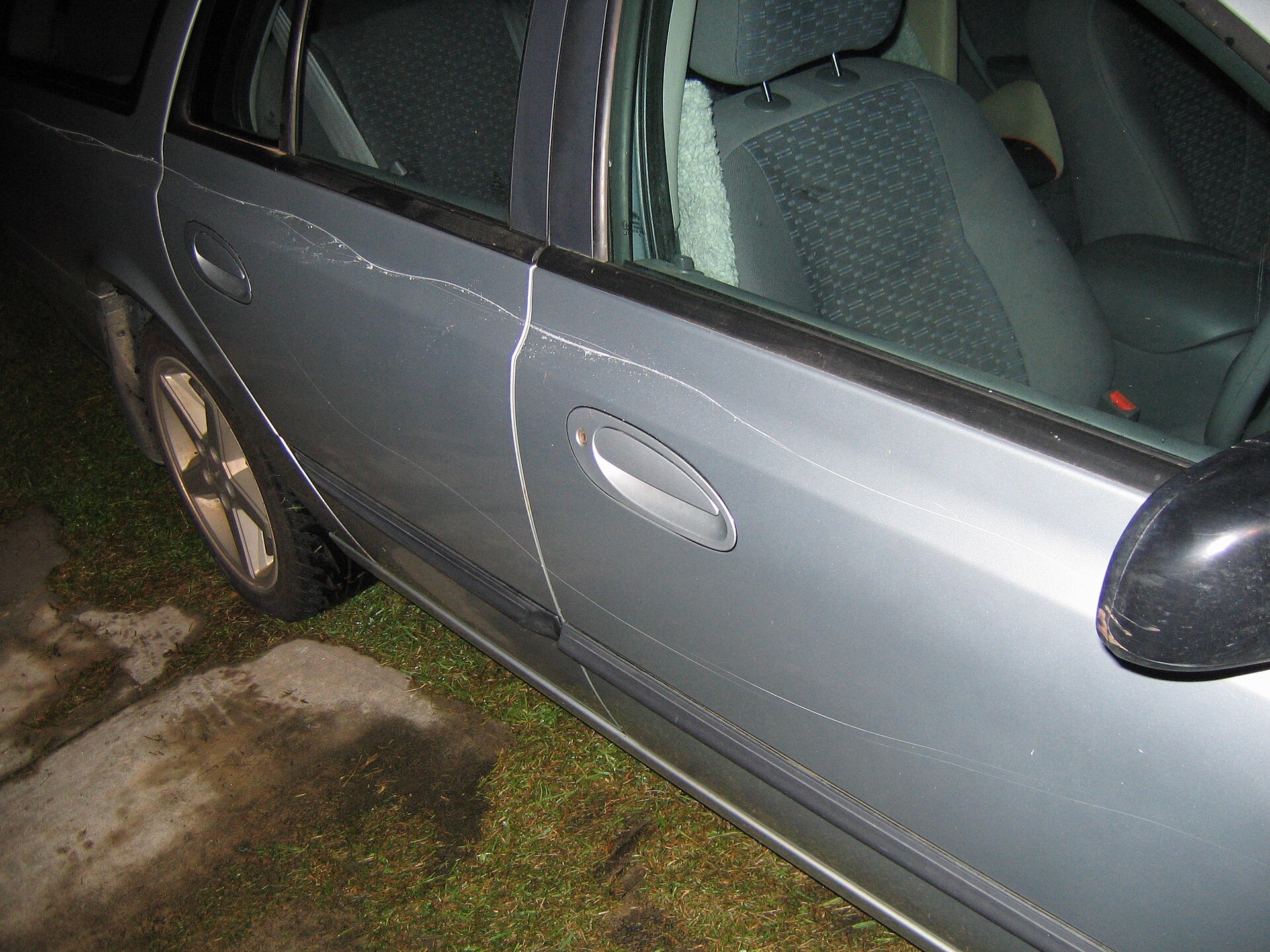
Keyed car repair runs $150 to $4,000, and the gap between those two numbers is almost entirely about how many panels the line crosses, not how dramatic the scratch looks in a photo. One clean key-line down a single door is a few hundred dollars. The same line dragged across three doors and a fender is three or four separate paint jobs that all have to match.
Most people with a real, single-panel keying pay around $900. Here is how to figure out where you actually land, and whether it is worth calling your insurer.
Depth first, same as any scratch
Do the fingernail test before anything else. Drag a nail gently across the line:
- Nail glides over it: clear coat only. It often fades when the panel is wet and buffs out for $15 to $60 in kit cost, or $150 to $300 at a shop.
- Nail catches: the key reached color, primer, or bare metal. That needs paint, and on metal it needs sealing soon, because bare metal starts rusting within days in humid climates.
Per ValuePenguin’s depth breakdown, a clear-coat-only key-line runs $150 to $300, one that gets through the color layer runs $400 to $1,000, and one that exposes primer or metal runs $800 to $1,500. That is per panel. A keyed car with damage confined to one door sits in that range. The moment a second or third panel is involved, those numbers stack, and blending across panel gaps adds labor on top of the paint itself.
Why multi-panel keying is the expensive case
A single-panel key-line and a car keyed down its entire side are not the same repair, even when both scratches “look about as deep.” Once a scratch crosses a body line into a second panel, the shop is repainting and blending two panels instead of one, and each additional panel adds its own labor, materials, and clear-coat cure time. CarXplorer’s breakdown puts extensive multi-panel keying, an entire side or several doors, at $2,000 to $4,000, and a full-vehicle keying job, every panel touched, can run $3,000 to $10,000 or more since it approaches a full repaint.
So before you accept a quote, count panels honestly. A scratch that looks continuous in a parking lot photo but only actually crosses one door, not the fender behind it, is a materially cheaper job than one that really does cross both.
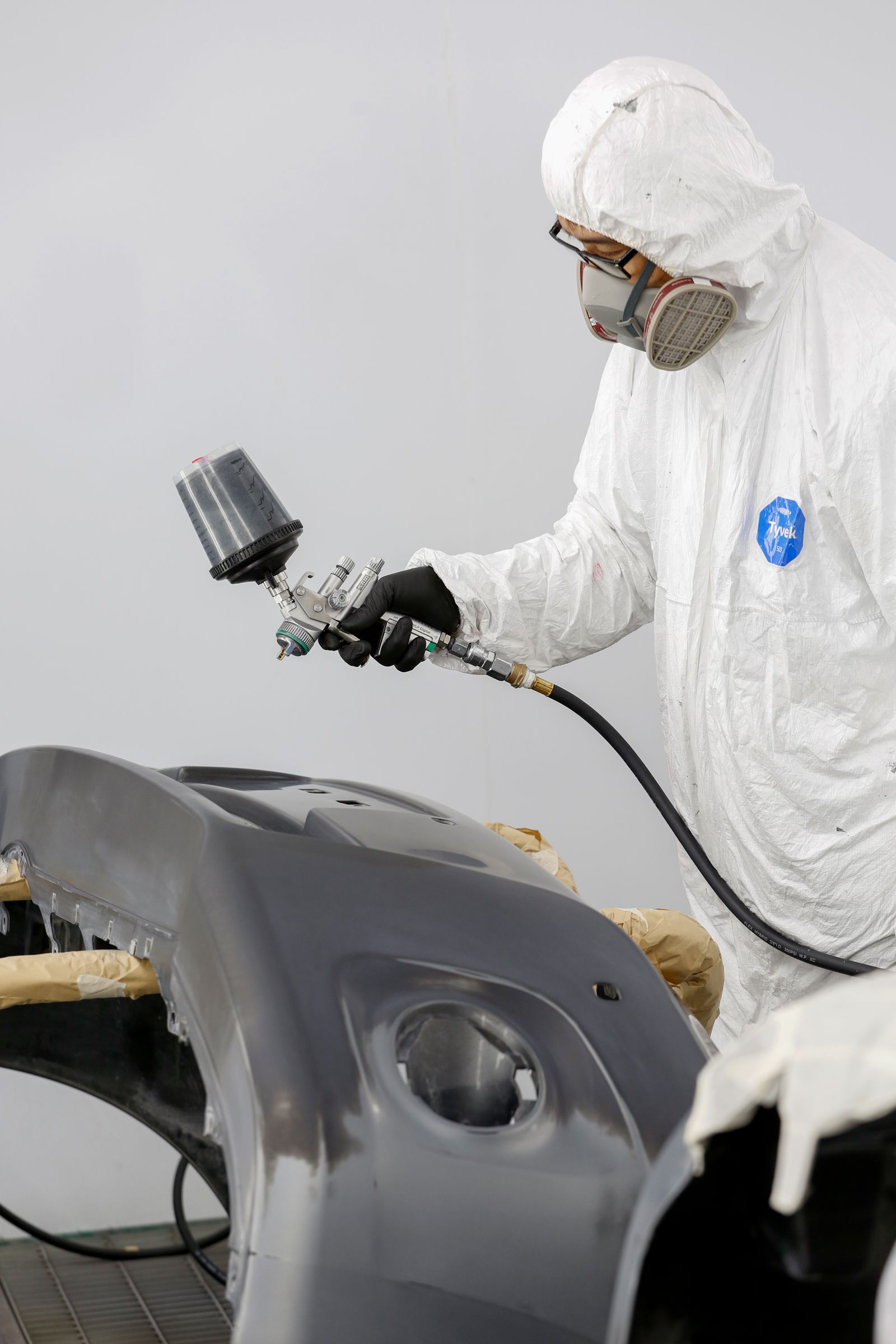
Paint type matters here too. A solid color blends more forgivingly than a metallic or pearl finish, where even a slightly off panel stands out next to its neighbor in direct sun. If your car has a three-stage or specialty finish, expect quotes toward the top of whatever range applies to your panel count.
Should you file an insurance claim?
Keying is vandalism, and vandalism damage is covered under the comprehensive portion of a standard auto policy, not collision. That distinction matters for your wallet: per GEICO’s own vandalism guidance, a comprehensive claim typically does not move your rate the way an at-fault collision claim does, since the damage was not your driving that caused it.
Two things to do before you call your insurer:
- File a police report first. GEICO states plainly that most insurers, including them, require a police report before paying a vandalism claim. It costs nothing, takes fifteen minutes, and without it many carriers will simply deny the claim outright.
- Photograph everything before you touch it. Every angle, every panel, in daylight. If you later identify who did it, the report and photos support both the claim and a potential small-claims case against the vandal.
Can a keyed scratch be buffed out?
Only the clear-coat-only portion. If any part of the line catches a fingernail, buffing will not lift it, because there is no color underneath to buff toward. Trying anyway just thins the clear coat around a scratch that is still there. Get the depth right with the fingernail test before you spend an afternoon buffing a line that was never going to come out.
How much does it cost to repaint a keyed door?
A single door with a key-line into the color coat runs about $400 to $1,000 to strip, prime, paint, and clear-coat, per the depth ranges above. Add a second adjacent panel and you are closer to $800 to $2,000 combined, since the shop also has to blend the new paint into the untouched panel next to it so the transition is invisible. That blend step, not the scratch itself, is what a lot of people underestimate when they picture “just fixing one door.”
What to fix now versus what can wait
Seal anything that reached primer or bare metal immediately, even if the full cosmetic blend waits a few weeks for a shop slot. Bare metal exposed to a wet parking lot starts corroding fast, and an untreated key-line that turns into rust costs more to fix than the original scratch ever would. A faint, clear-coat-only key-line on an older car you are not attached to is a fair one to buff yourself and move on from.
Run your scratch through the estimator above with an honest panel count. That number, not the size of the scratch in a photo, is what should decide whether you call a shop or your insurer first.
What changes the price
| What changes the price | Effect on cost |
|---|---|
| Depth | Clear-coat-only keying buffs out cheap. Anything that catches a fingernail reached color, primer, or metal and needs paint. |
| Number of panels crossed | The real cost driver on a keyed car. One panel is a repair; a scratch dragged across three doors is three repaints that all have to blend. |
| Whether it is a straight line or a scribble | A single straight key-line blends easier than looping scratches or scratched-in words, which cover more surface area per panel and take longer to sand out. |
| Paint type | Metallic, pearl, and three-stage finishes are harder to color-match, which raises the blend cost on every panel involved. |
| Whether you have a suspect or footage | Doesn't change the repair cost, but it changes whether small claims or a homeowner's policy can recover what your deductible cost you. |
DIY or hire a pro?
Do it yourself
$15–$60
A shallow key-line that stays in the clear coat genuinely buffs out with a kit, the same as any clear-coat scuff. The moment the line catches a fingernail or crosses more than one panel, DIY becomes damage control, not a fix: touch-up paint stops rust, it does not make three doors match again.
What you'd buy on Amazon:
Hire a pro
$150–$4,000
A body shop sands, primes, paints, and blends every panel the key crossed. One moderate panel runs a few hundred dollars. A scratch dragged across three or four panels, each needing its own paint and blend, is what pushes a keying job past $2,000.
As an Amazon Associate, PanelProof earns from qualifying purchases.
Is it worth fixing?
Fix it if…
the line reached primer or metal (bare metal rusts, so seal it even before a full repaint), it crosses a panel you see every day, or it is spread across multiple panels where the cost adds up fast. Filing a police report costs nothing and keeps the claim option open even if you end up paying cash.
Live with it if…
it is a single faint clear-coat scuff on an older car, or the estimate lands well under your deductible. Buff it, touch it up, and save the paperwork for damage that actually clears the deductible.
Keying is vandalism, and vandalism is a comprehensive claim, not collision, so it typically will not raise your rate the way an at-fault accident does. Most insurers, GEICO included, require a police report before they will pay a vandalism claim, so file one even for a repair you expect to handle yourself. Compare the shop estimate to your deductible, usually $250 to $1,000, before deciding whether filing is worth it.