Hood Dent Repair Cost (2026): PDR vs Body Shop by Size
Hood dent repair costs $125 to $2,500 in 2026, from a $150 PDR ding to a full aluminum-hood respray. Prices by size, crease, and material before the quote.
Typical cost
$125$2,500
Costs reviewed July 2026
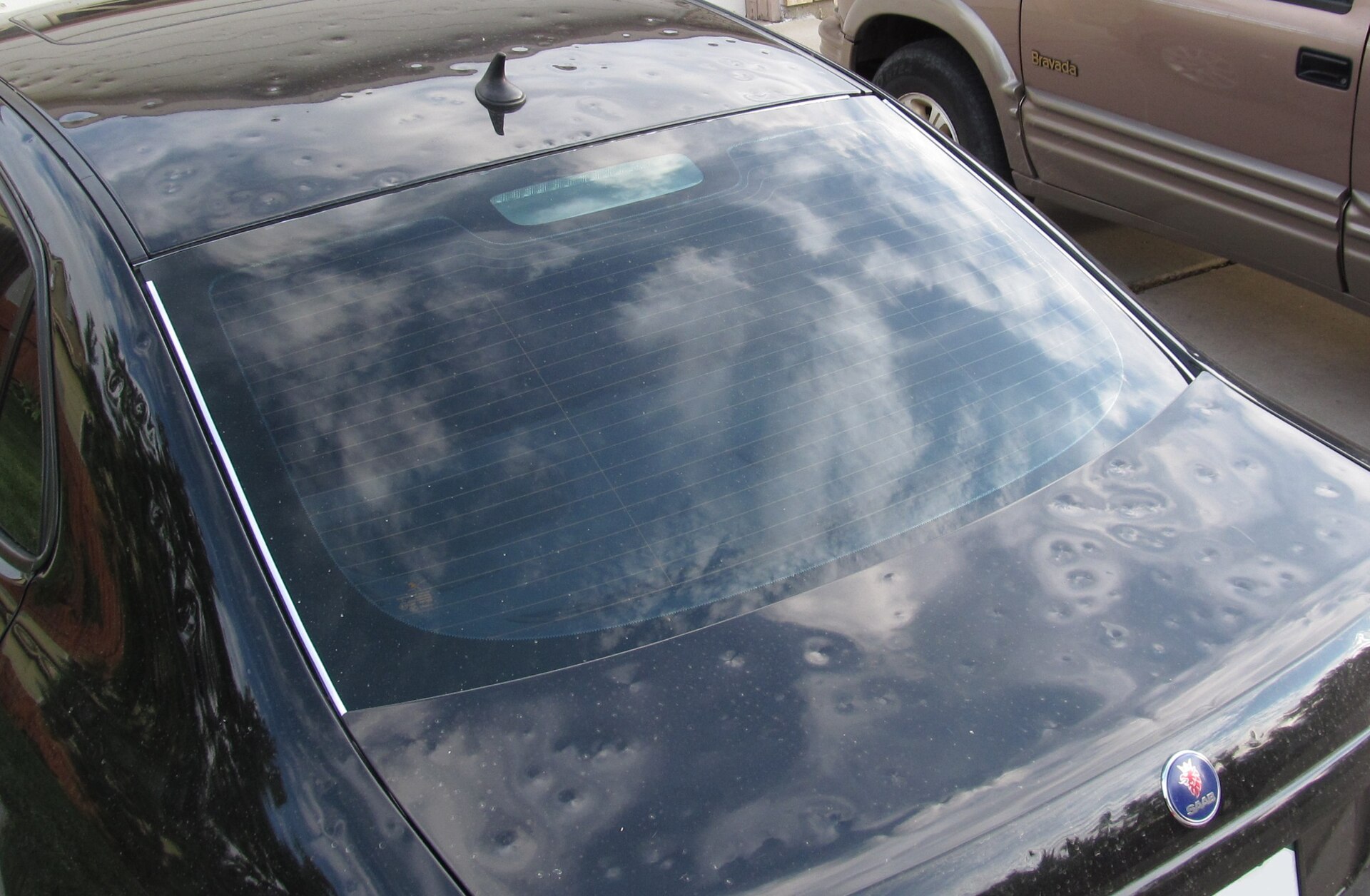
A hood dent runs $125 to $900 for paintless repair, and jumps to $300 to $2,500 the moment the paint cracks or the panel needs a full respray. Most people fixing one dent from a shopping cart, a stray branch, or a light hail hit land around $375. The hood is the biggest single panel on the car, and the one every buyer and every passerby looks at first, so size, crease, and material decide where you actually land.
What a hood dent actually costs
For a single dent with the paint still intact, here’s the honest spread by size:
- Small, door-ding size (1–2 inches): $125 to $295
- Medium, golf-ball to fist size (3–4 inches): $250 to $450
- Large, past a fist or spanning a body line: $500 to $900
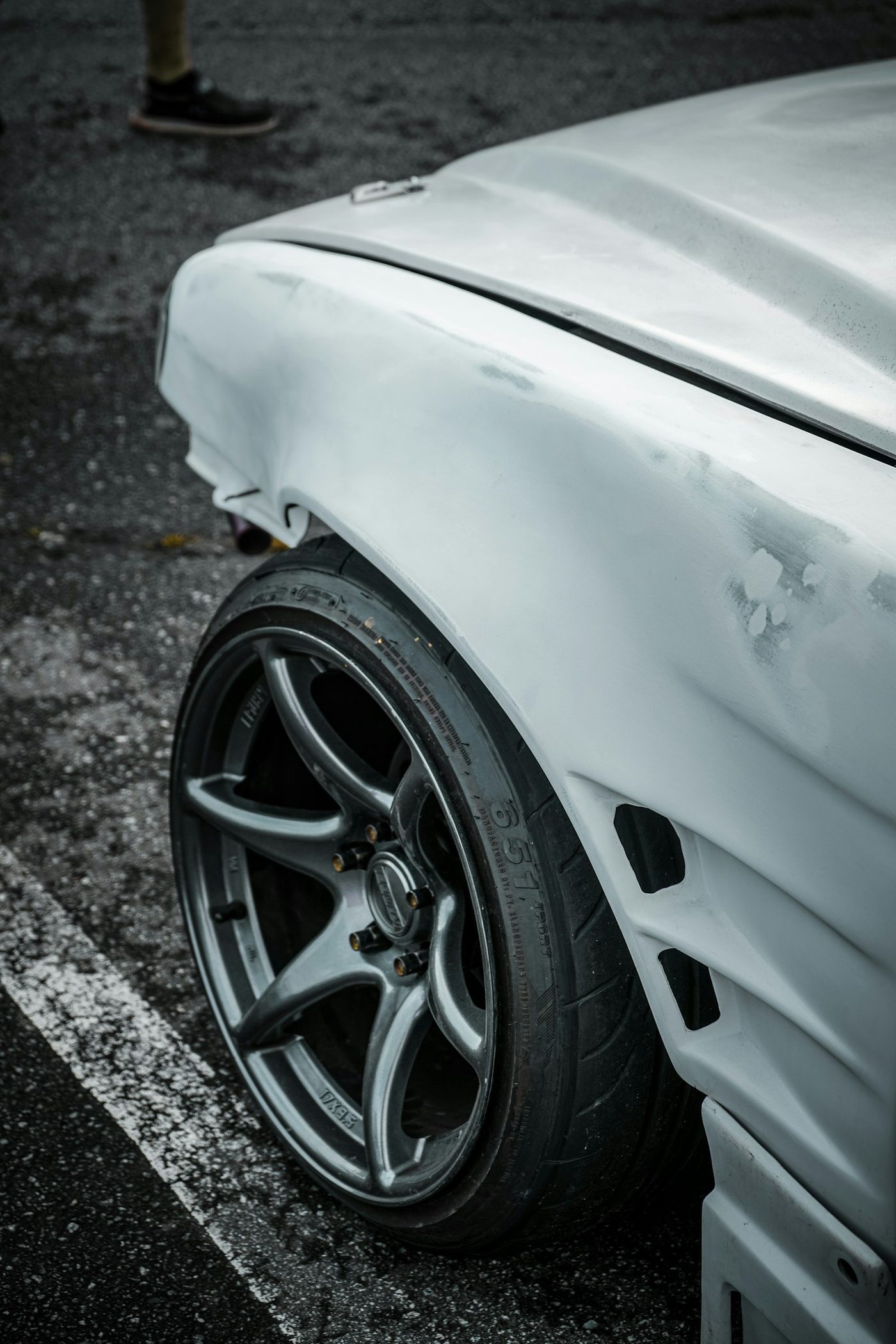
Two things move a dent up its tier fast: a crease, and a body line. A shallow round dish in the flat middle of the hood is the cheap end of every tier above. The same size dent with a sharp crease through it, or one that lands on one of the hood’s own sculpted lines, is a different, slower repair, and pricing reflects that.
Crease or round: the question a hood adds
Doors and fenders are mostly flat. Hoods aren’t. Most hoods carry at least one character line or vent shape pressed into the metal, and a dent that crosses one of those lines behaves differently under a PDR rod than a dent in open space. One San Diego shop’s own pricing guide puts a steel quarter-panel crease repair at $470 to $745, three-plus hours of work, against $197 to $297 for a comparable flat, round door ding. A single hood crease near the cowl or the grille shut line can land in that same range even before material is factored in.
Aluminum vs steel: the other multiplier
Aluminum hoods used to be a luxury-car thing. They aren’t anymore. Trucks, EVs, and plenty of mainstream models now ship aluminum hoods to shed weight, and aluminum behaves nothing like steel under a PDR tool. Steel has memory: push it back close to shape and it wants to finish the job itself. Aluminum doesn’t spring back the same way, so a tech has to work slower and more conservatively or risk stretching the metal further. That shows up in the invoice. Techs commonly price aluminum dents at 25 to 50 percent more than the identical dent on steel. One shop’s own worked example: a 1-inch ding that runs $197 to $297 on a steel panel prices at $275 to $415 on the aluminum equivalent.
Getting to the backside of the panel
Paintless dent repair only works if a tool or a rod can reach the back of the dent, and hoods make that harder than most panels. Almost every hood has a foam or fiberglass insulation liner clipped to the underside with plastic fasteners, sitting directly between the tech and the metal. Popping that liner loose, or working through the existing holes in the hood’s internal bracing structure, is part of the job before the actual dent work starts. On some vehicles the bracing itself blocks a straight shot at the dent, which is one more reason a hood quote can run higher than a door quote for a dent that looks the same size from the outside.
Is the paint still intact?
Run a fingernail across the dent. Smooth and unbroken, and you’re in the paintless numbers above. If you catch a crack, a chip, or bare metal, PDR is off the table. The panel needs filling, sanding, primer, and a repaint blended into the surrounding fenders and cowl, and that’s body shop territory: $300 to $2,500 depending on size, and on the high end for a full aluminum hood respray with a tricky metallic or pearl finish.
Should you DIY it?
A shallow, round dent with intact paint and no crease is a fair DIY candidate once you’ve got the liner off or found a bracing hole to work through. A $25 to $50 glue-pull kit, a suction cup puller, or even the old hot-water-and-compressed-air trick genuinely moves a soft dish back into place. Where it goes wrong is anything with a crease, anything near the hood’s edge or the grille shut line, and anything on aluminum: pulling too hard on a crease stretches the metal and leaves a high spot that’s harder to fix than the original dent. If your dent has a sharp edge to it, that’s the line where a $40 kit stops being cheaper than a $200 pro visit.
Is it worth fixing?
The hood is the one panel nobody misses. A dent on a crease, near the edge, or on a car you’re about to sell or hand back on a lease is worth fixing every time, both because it’s the first thing a buyer’s eye lands on and because it’s cheap insurance against the paint eventually cracking on its own. A faint, paint-intact dish in the open middle of the hood on a car you’re keeping for years is a fair one to leave alone. It won’t grow, and it won’t cost more to fix next year than it does today. Either way, know your tier from the numbers above before a shop quotes you cold.
What changes the price
| What changes the price | Effect on cost |
|---|---|
| Dent size | A small door-ding-size dent is $125–295; a golf-ball-size dent is $250–450; anything past a fist or spanning a body line runs $500–900. |
| Crease vs round dent | A sharp crease along the hood's own body lines takes far more time than a shallow round dish, and can push a single dent past $600. |
| Aluminum vs steel hood | Aluminum doesn't spring back the way steel does. Techs quote 25 to 50 percent more for the same dent on an aluminum hood. |
| Backside access | Most hoods have an insulation liner between the tech and the panel. Removing it adds labor before the dent work even starts. |
| Paint condition | A cracked or chipped hood is off the PDR table entirely. That routes you to a body shop and a bill several times higher. |
DIY or hire a pro?
Do it yourself
$25–$120
A shallow, round dent with intact paint and a liner you can pop loose is a fair weekend project with a glue-pull kit or the hot-water-and-cold-air trick. A crease, anything near the hood's edge, or an aluminum panel is where DIY makes the dent worse, not better.
What you'd buy on Amazon:
Hire a pro
$125–$2,500
A mobile PDR tech clears most hood dings and dents in an afternoon without touching the factory paint, for $125 to $900 depending on size and material. Once the paint has cracked, or the dent needs body filler and a respray, it becomes a body shop job at $300 to $2,500 on a panel this size.
As an Amazon Associate, PanelProof earns from qualifying purchases.
Is it worth fixing?
Fix it if…
the dent sits on a crease or near the hood's edge, the paint shows any cracking, or you are heading into a sale or lease return. The hood is the one panel every buyer looks at first.
Live with it if…
it is a shallow, paint-intact dish in the flat middle of the hood on a car you plan to keep. It will not spread or worsen on its own.