Fender Dent Repair Cost (2026): Prices by Severity
Fender dent repair costs $125 to $1,500 in 2026, from a small paint-intact PDR pull to a creased fender that needs reshaping and paint. See real prices by damage level.
Typical cost
$125$1,500
Costs reviewed July 2026
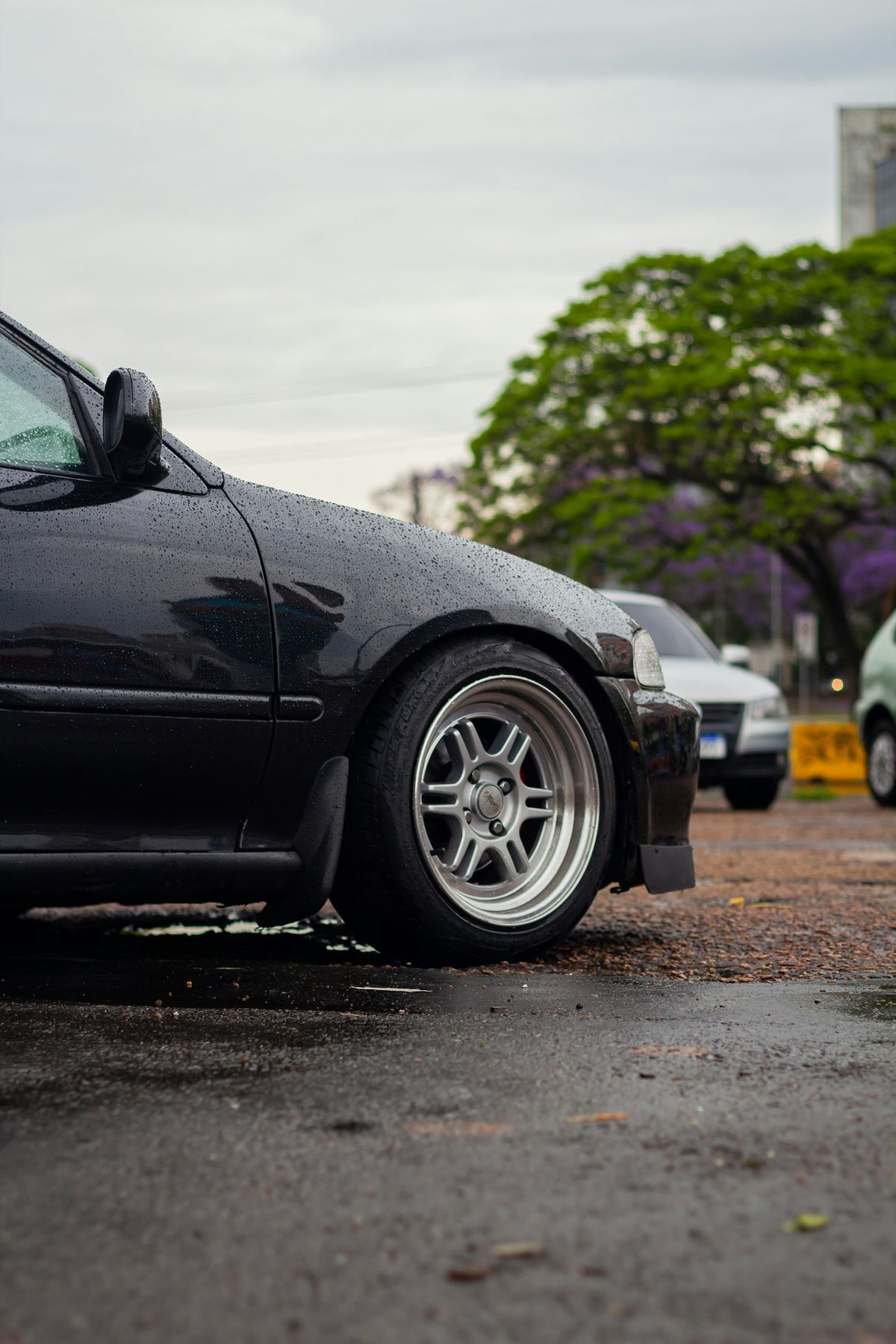
A fender dent runs $125 to $1,500 to repair, and most paint-intact fender dings land closer to $400 once you account for the size and whether the shop needs to work around a wheel well or headlight. The gap between the low end and the high end comes down to the same question every dent guide on this site keeps coming back to: is the paint still intact?
Fenders get hit differently than doors. They’re low, they’re curved around the wheel, and they’re the first thing to catch a parking-lot bump, a shopping cart rolling downhill, or a stone kicked up from the car ahead of you.
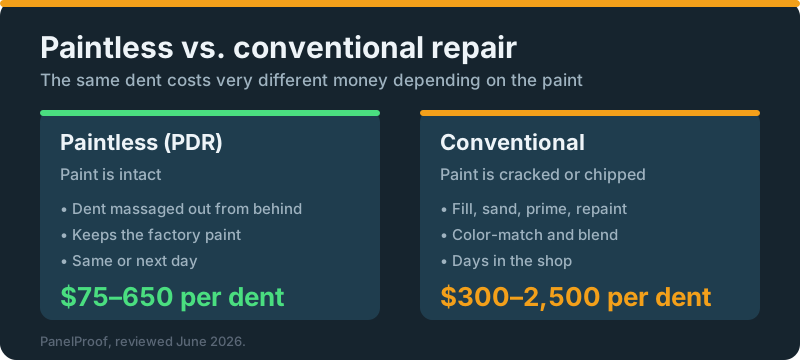
Paint-intact fender dents: the PDR range
A small fender dent under an inch, with the paint smooth and unbroken, is $125 to $300 with paintless dent repair. Push into a larger dent, or one with any crease, and mobile PDR pricing climbs to $200 to $450. Both numbers assume clean access to the back of the panel, which on a fender usually means popping back the plastic wheel-well liner rather than removing anything structural.
That access step is the one thing that makes fender PDR slightly pricier than an equivalent door ding. A tech has to reach behind the liner, work the dent, and put the liner back, which adds 15 to 30 minutes over a comparable door job.
Where it stops being paintless
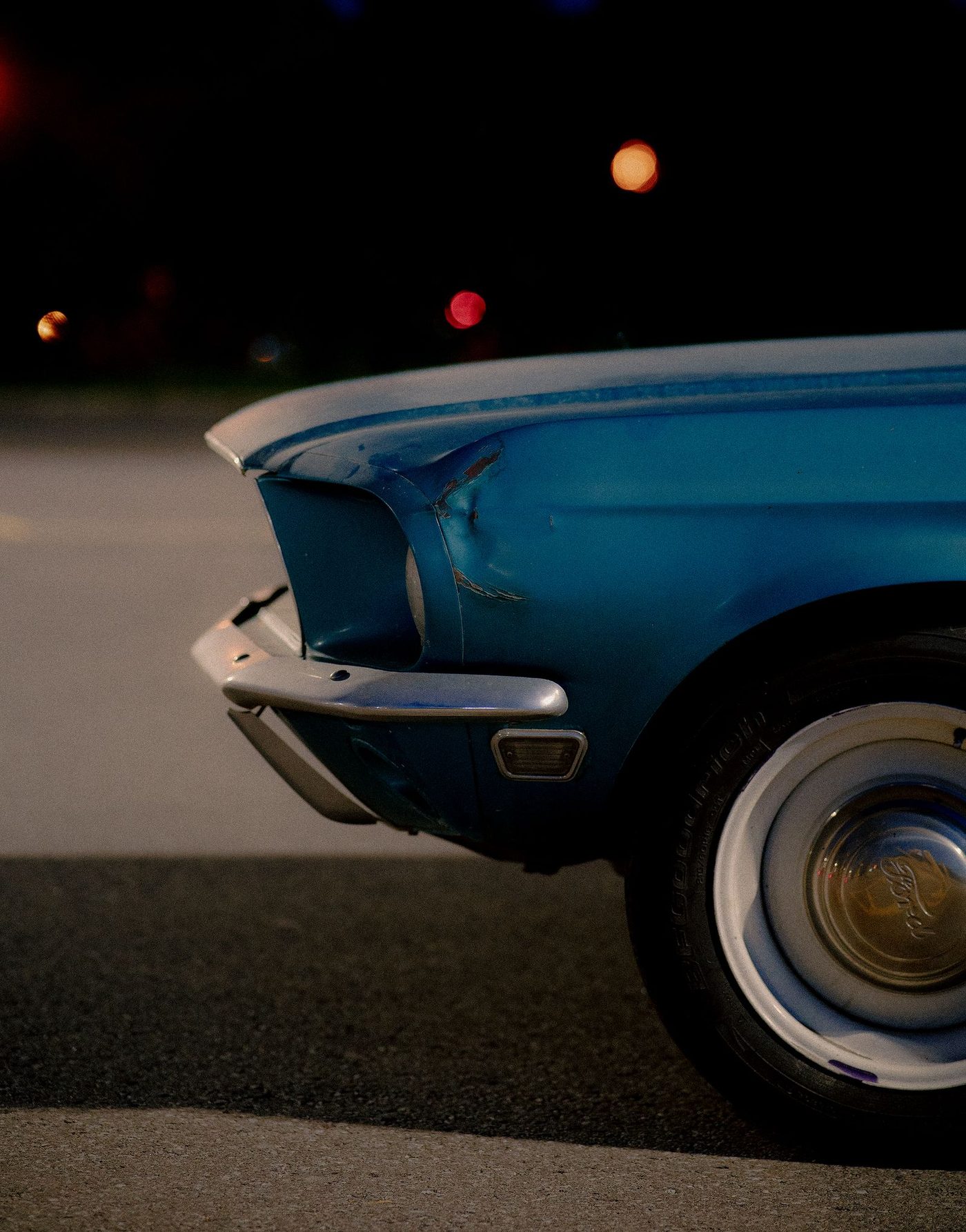
A crease that chips the paint, even a small one, moves the job into body-shop territory: filler, primer, sanding, and a blended repaint that has to match the panels on either side. American Auto Export puts that tier at $500 to $1,500 for reshaping, filling, and repainting a moderately damaged fender, and The Dent Dude’s mobile pricing guide backs that up with a similar $400 to $900 range once a crease has torn the paint on a fender specifically.
Pearl and metallic finishes cost more to blend than a solid color, because the shop has to match the paint across the whole panel edge to edge rather than just spot-repairing the dent. If your car has one of those finishes, expect a quote toward the higher end of that range.
The repair process, in practice
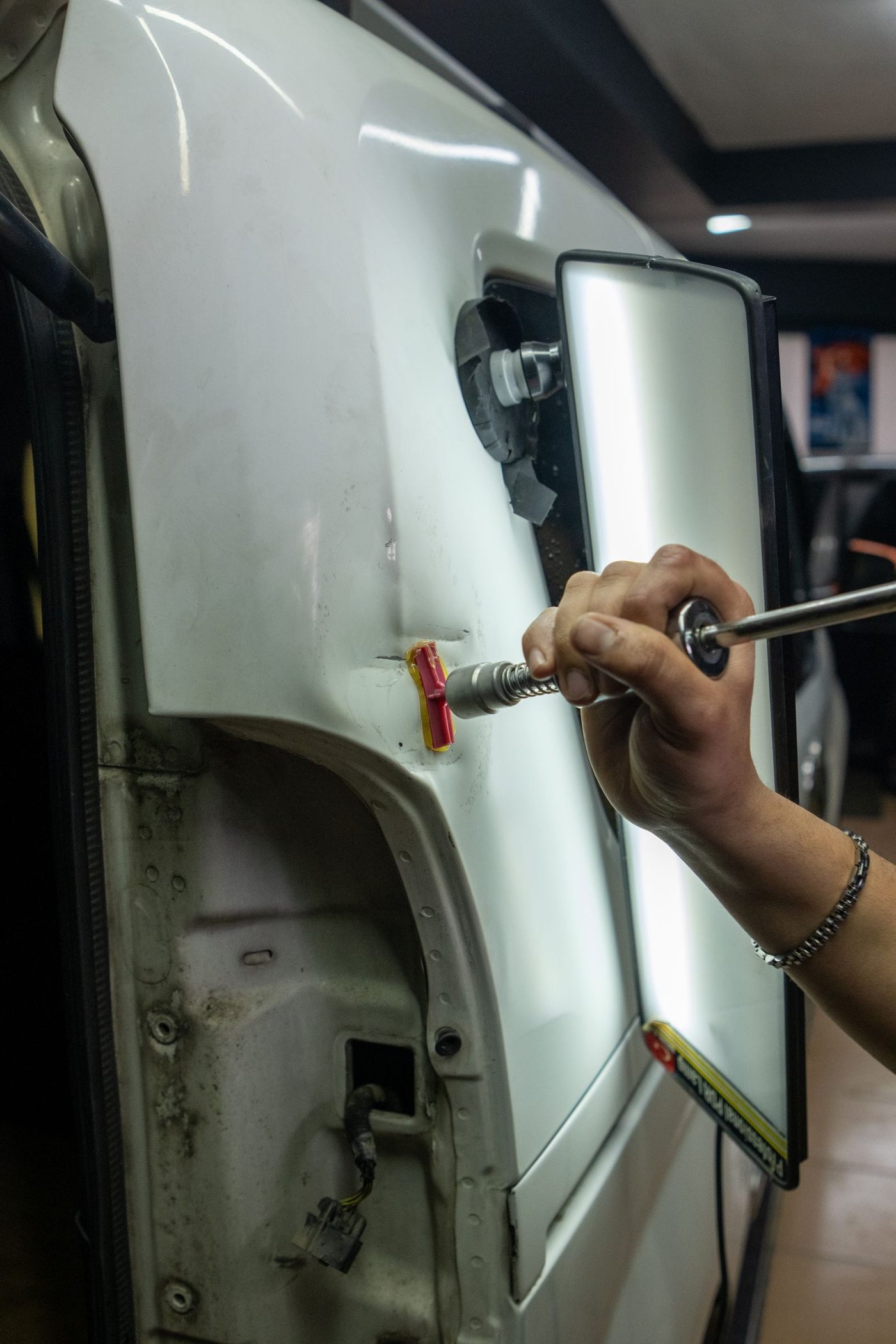
Whether it’s a $125 PDR pull or a $900 repaint, the panel comes off the same way it went on: from the outside in, working the low point first. The difference is what happens after the metal is flush. PDR stops there. Bodywork adds filler where needed, primer, color coat, and clear coat, then blends the edge into the surrounding panels so the repair doesn’t show as a slightly different shade under sunlight.
When it’s a replacement, not a repair
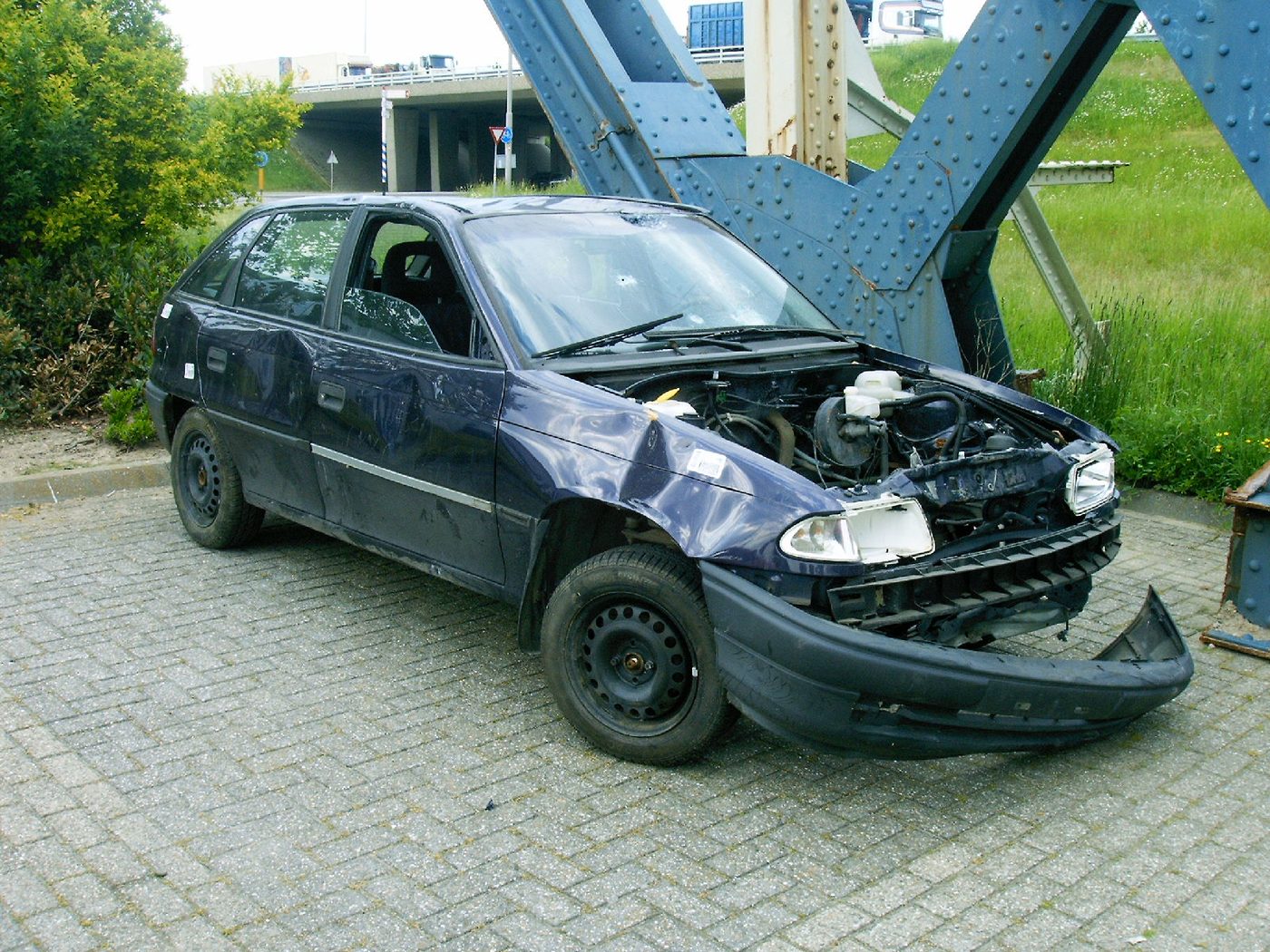
Reshaping stops making sense once the fender is torn, sharply creased enough to have stretched the metal, or rusted through from the back side where you can’t see it. American Auto Export puts full replacement, including paint blending and any trim work, at $1,000 to $4,000 depending on the vehicle. Flex Auto breaks that down by class: $200 to $600 for a compact car, $800 to $1,500 for an SUV or truck, and $1,500 and up for a luxury model, plus $100 to $500 for paint and color matching and another $100 to $300 if a sensor near the fender needs recalibrating afterward.
For an ordinary dent, though, whether it stays paintless or needs a full repaint, fixing it costs a fraction of a new painted fender plus the labor to match it. Replacement should be the exception, not the default quote.
DIY or call a shop
A shallow, paint-intact fender dent away from the wheel arch is a fair DIY target with a $20 to $150 glue-pull kit, the same tool that works on a door ding. Where fenders differ from doors is the wheel well liner in the way, so budget extra patience for popping that back before you can reach the dent from behind.
Skip DIY the moment the paint chips, the dent sits near a headlight or wheel arch, or you’d need to touch anything with a sensor behind it. Rust starts fast on exposed metal in that location, since a fender takes more road salt and gravel spray than almost any other panel on the car, so a chipped fender is worth getting to a shop sooner rather than later. The rust repair cost guide covers what happens if that wait goes on too long.
If your damage is really on the bumper rather than the fender itself, or you’re not sure which panel you’re looking at, the car dent repair cost guide sorts out door, bumper, and fender pricing side by side.
What changes the price
| What changes the price | Effect on cost |
|---|---|
| Paint intact or broken | A paint-intact fender dent is a $125–450 paintless pull. Once the paint cracks, you're paying for filler, primer, and a blended repaint instead. |
| Dent size and depth | A small dent under an inch runs $125–300 with PDR. A larger dent, or one with a sharp crease, pushes toward the $450–900 range even before paint work. |
| Reshaping needed | Moderate damage that needs the panel pulled, filled, and repainted runs $500–1,500. This is the tier most fender dents that broke the paint fall into. |
| Fender material and access | Fenders sit low and close to the wheel well, so a dent near the wheel arch or a headlight often means removing trim or a liner first, adding labor. |
| Parts, if it's past repair | OEM fenders run $200–1,000+ before paint; aftermarket panels run 30–50% less. A fender that's torn or bent past reshaping is a replacement job, not a dent repair. |
| Labor rate by region | Shop labor runs $60–80 an hour in smaller markets and can top $120 an hour in major metros, which alone can shift a quote by a few hundred dollars. |
DIY or hire a pro?
Do it yourself
$20–$150
A shallow, paint-intact fender dent away from the wheel well is a fair glue-pull job, same as a door ding. Anything with broken paint, a crease near the wheel arch, or damage close to a headlight or side marker is shop work, because those spots have trim and sensors in the way.
What you'd buy on Amazon:
- Glue-pull dent removal kit, tabs, hot glue gun, and a slide hammer for the shallow, flat sections of a fenderAmazon
- PDR rod and tap-down set, for reaching a dent from behind through the wheel well linerAmazon
- Touch-up paint by color code, match your factory paint code from the driver door jamb before touching up any chipped spotAmazon
Hire a pro
$125–$1,500
A mobile PDR tech handles a paint-intact fender dent for $125–450 in an hour or two. A body shop takes over once the paint breaks or the panel needs reshaping, running $500–1,500 for repair, and $200–4,000 for a full replacement depending on the vehicle and whether trim, a liner, or sensors are involved.
As an Amazon Associate, PanelProof earns from qualifying purchases.
Is it worth fixing?
Fix it if…
the paint broke (a fender sits low and catches road salt and gravel, so bare metal there rusts faster than almost anywhere else on the car), it's near a wheel well or headlight where poor alignment shows, or you're getting the car ready to sell.
Live with it if…
it's a shallow, paint-intact dish in the open part of the panel, well clear of the wheel arch and trim, on a car you plan to keep for a while.