Car Scratch Repair Cost (2026): By Depth, Not Length
Car scratch repair costs $150 to $1,800 in 2026 depending on depth. Estimate yours, learn the fingernail test, and see which scratches you can DIY for under $30.
Estimate your car scratch repair
Depth matters more than length. Do the fingernail test, pick how long it is, and say whether it is on a panel or a plastic bumper.
Estimated repair cost
$300$600
Most people pay around $450
How this is worked out
A medium scratch into the color coat on a body panel.
A clear-coat-only scratch often polishes out with a DIY kit for under $30. Once a fingernail catches, color or primer is exposed and it needs paint, which is the priced range above.
An estimate from typical US shop pricing, not a quote. Get it in writing from a local shop. Your exact cost depends on the vehicle, paint, and labor rates near you.
Costs reviewed July 2026.
Typical cost
$150$1,800
Costs reviewed July 2026
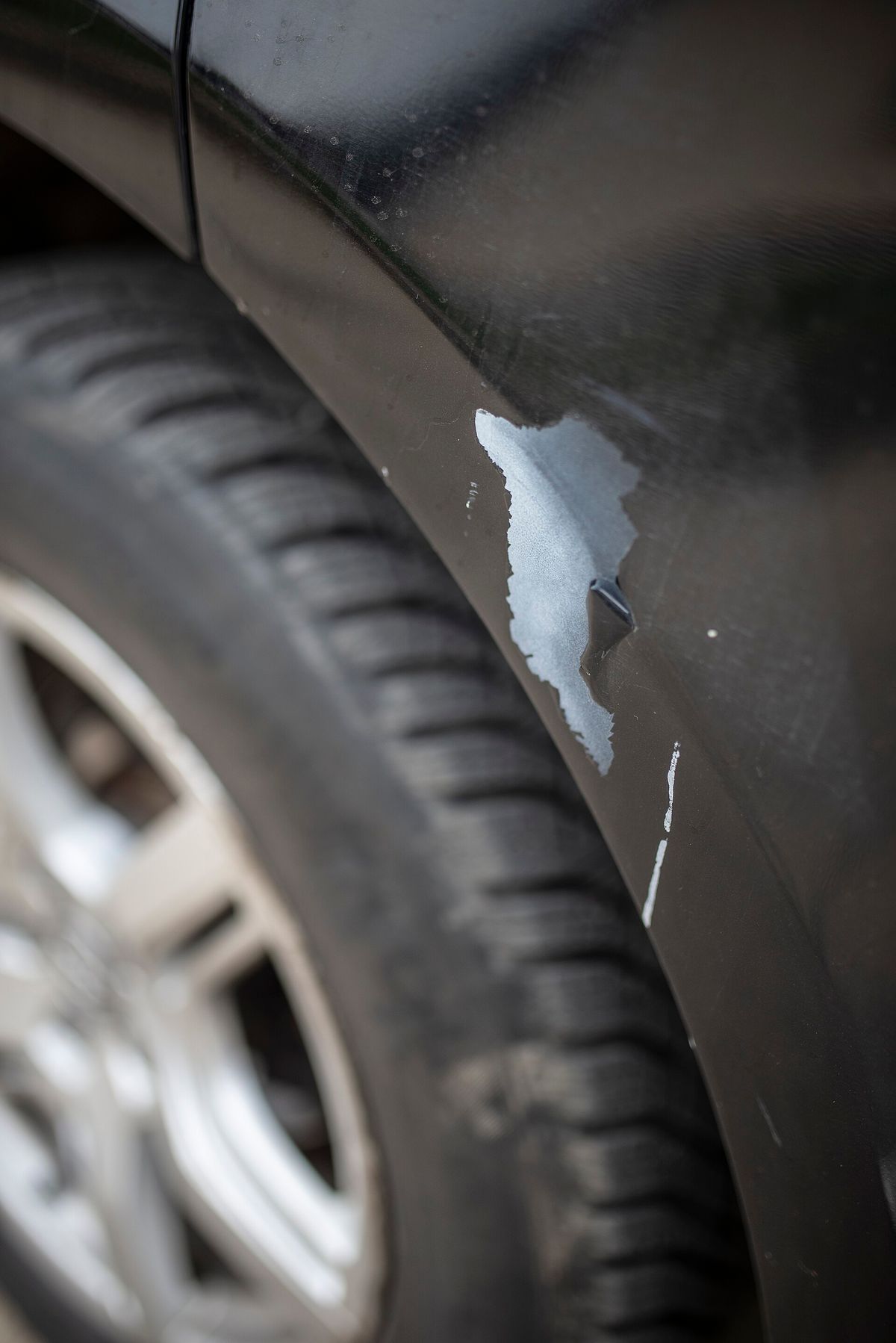
Car scratch repair runs about $150 to $1,800, and the number that decides where you land is not how long the scratch is, it is how deep. A scuff that only touched the clear coat can polish out for the price of a kit. A scratch that reached bare metal needs paint, blending, and rust protection, which is shop work.
Most people with a noticeable scratch into the paint pay around $500. Here is how to figure out your number before anyone quotes you.
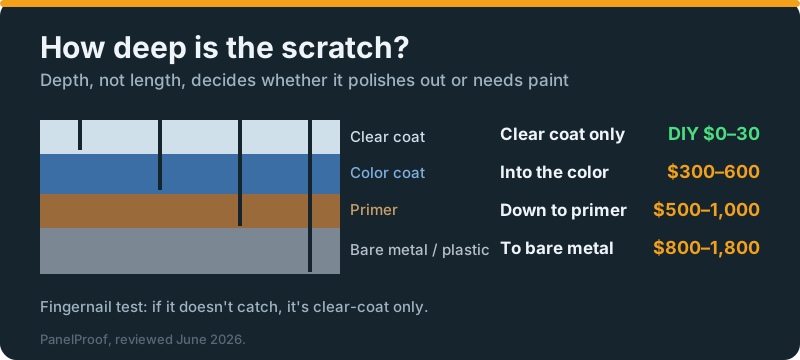
The fingernail test
This one test answers most of the question. Drag a fingernail gently across the scratch:
- Nail does not catch: clear coat only. It will often vanish when wet, and a $15 to $40 kit or a shop buff at $150 to $300 makes it disappear.
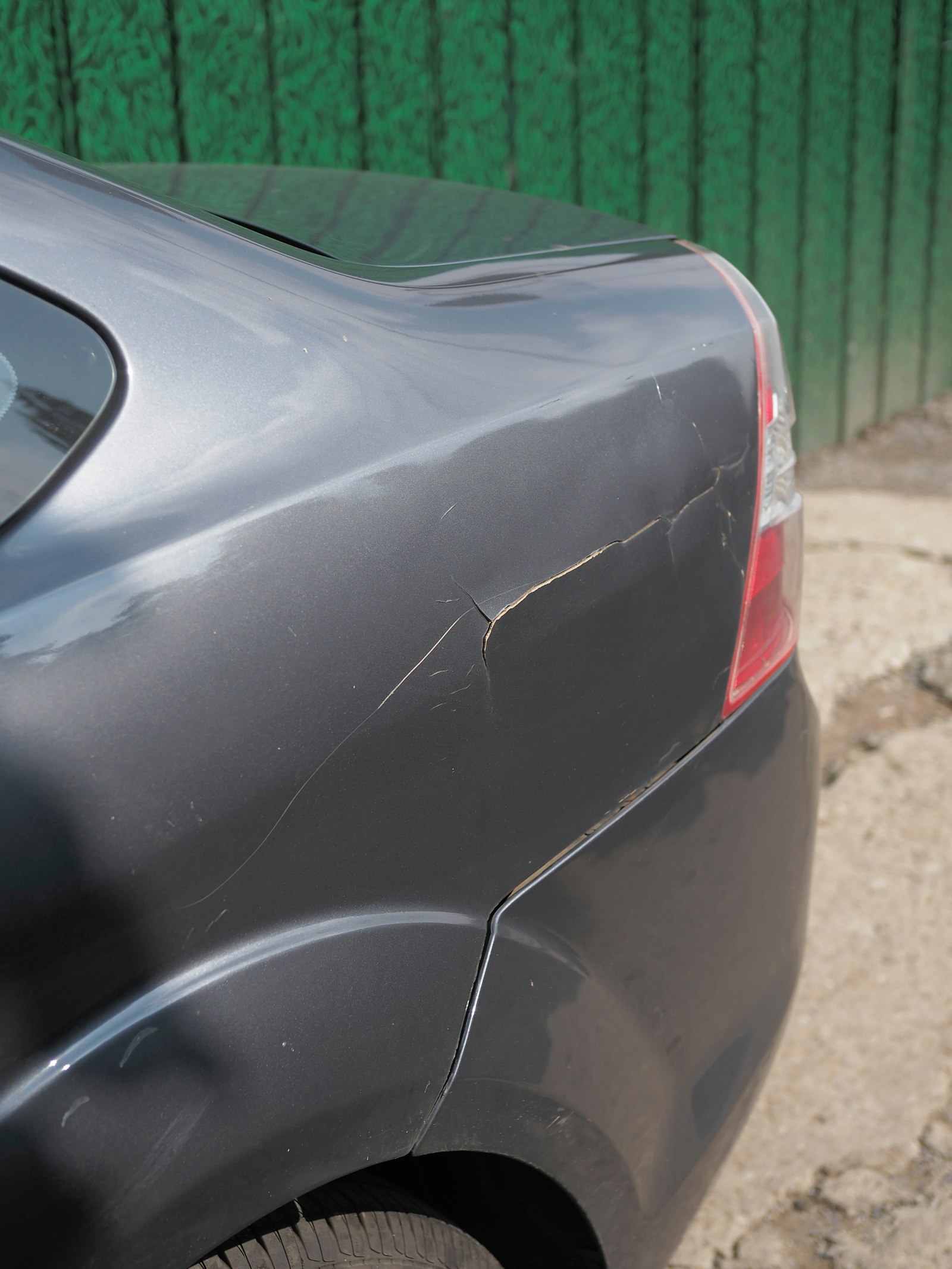
- Nail catches: the scratch reached the color coat, primer, or metal. It needs paint, and on a metal panel it needs sealing soon so it does not rust.
What the depths cost
- Clear coat: under $30 DIY, or $150 to $300 to buff at a shop
- Into the color: $300 to $600
- Down to primer: $500 to $1,000
- To bare metal: $800 to $1,800
Length and paint type adjust it. A panel-length scratch costs more to blend than a short one, and metallic or pearl finishes are harder to match. A scratched plastic bumper runs $300 to $700, since plastic needs a flex additive and a proper spray booth even though it cannot rust. That keeps the bill close to what a metal panel costs, rust risk or not.
DIY that actually works
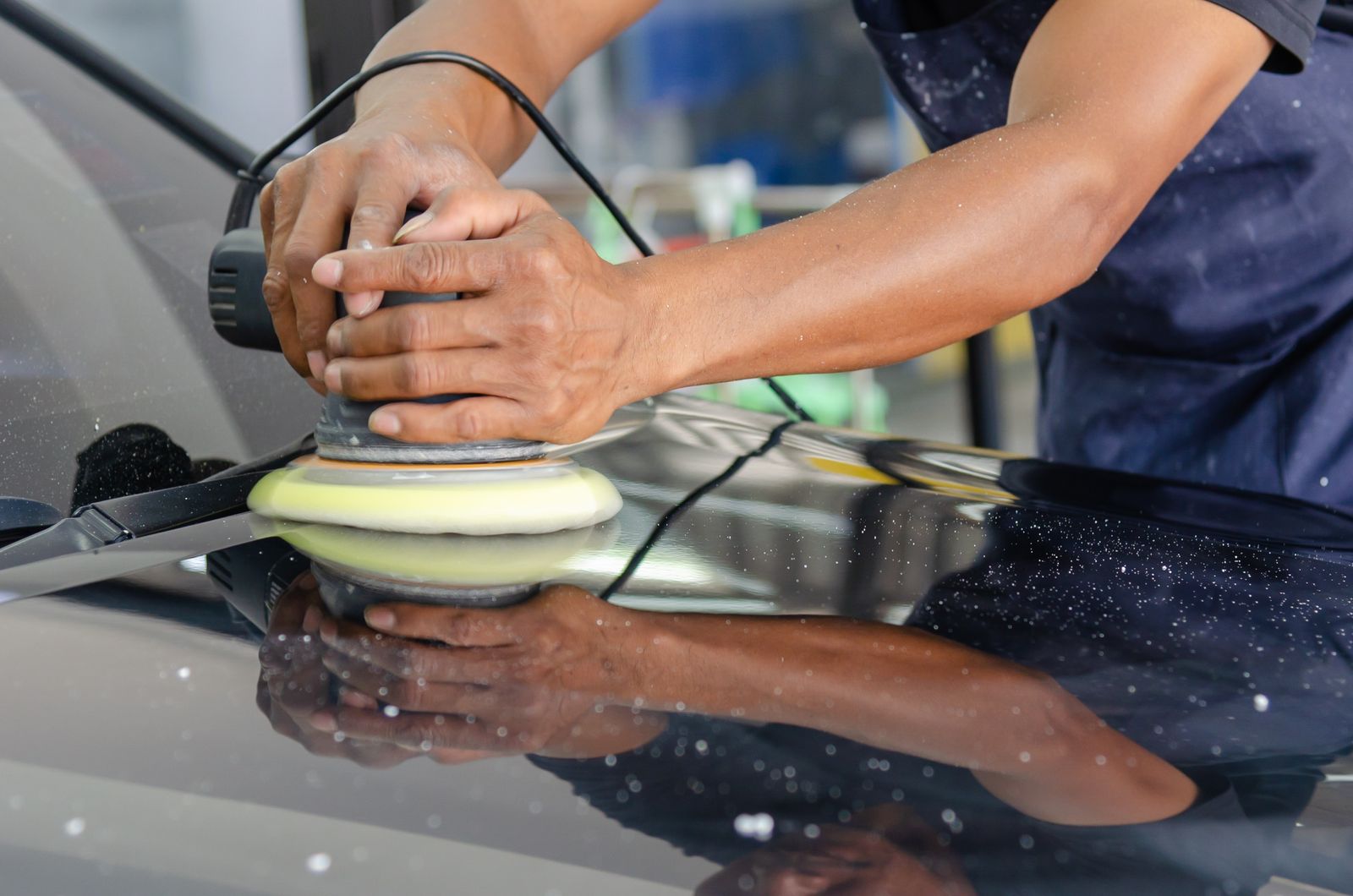
For a clear-coat scuff, a scratch kit or rubbing compound genuinely works, and it is the right call. For a deeper scratch, touch-up paint matched to your factory color code, printed on the driver door jamb, will seal the paint and stop rust, which is the urgent part on a metal panel. On a small chip, that matched touch-up is nearly invisible and worth doing yourself. Just know that touch-up on a long or wide scratch stops the damage from spreading but rarely looks factory. For a hood or door you look at every day, a shop blend is worth it.
The real gap between a touch-up pen and a shop blend
A touch-up pen matched to your paint code gets remarkably close on a small chip, but two things work against it on a longer scratch. Factory paint fades slightly with UV exposure over the years, so a color code that was exact when the car was new can be a shade off a decade later, invisible on a dime-sized chip and obvious on a six-inch line. And hand-applied touch-up sits proud of the surrounding clear coat rather than blending level with it, so even a perfect color match can catch the light differently at an angle. Neither of those is a reason to skip touch-up on a scratch that’s reached metal; sealing it against rust is the priority, and touch-up genuinely does that job. It’s a reason to budget for a shop blend later on a panel you look at daily, rather than expecting the pen to be the final answer.
There’s a cost to waiting, too, separate from the rust risk on a metal-deep scratch. Clear coat’s job is blocking UV light from reaching the color coat underneath it. A scuff that breaks the clear coat’s surface, even without reaching color, lets UV degrade and fade the color coat faster right in that spot, so the scratch outline stays visible as a dull patch even after the original scratch itself would have polished out. A scuff that’s cosmetic and free to fix with a $20 kit this year gets harder to buff away cleanly a few years later once that sun damage sets in. That’s the case for buffing out even a faint clear-coat scuff sooner rather than “eventually.”
How to tell if a quote is a lowball
Scratch repair, more than most bodywork, attracts rock-bottom “we’ll match any color for under $100” pitches, especially from mobile operators working out of a van in a parking lot. Body-shop fraud guidance is consistent on this: an estimate that lands 30 to 50 percent below every other quote you got is rarely a discount, it’s a sign that something in the job, the paint quality, the prep, or the blend, is about to get cut. A legitimate shop gives you an itemized written estimate, not a verbal number, broken into labor, materials, and paint so you can see what you’re actually paying for. If a shop won’t put the estimate in writing, won’t show comparable finished work, or pressures you to sign and pay before they’ll start, treat that as the same red flag it would be on a $2,000 repair, not a lesser one just because the ticket is smaller. Get at least two quotes on anything past a clear-coat buff; a wide spread for the identical scratch is worth understanding before you pick the cheap one.
The vandalism case
A short scratch is a cash repair. A long keying that crosses several panels is a different animal, because each panel adds repaint area. If a vandalism scratch runs past your comprehensive deductible, usually around $500, it is often worth a claim, and vandalism is a comprehensive claim that typically does not raise your rate. That is the same deductible math as hail damage.
The quote-shopping advice above applies even more when insurance is paying, not less. An adjuster’s first number is a starting point, not a ceiling, and shops that specialize in insurance work know how to itemize a supplement request for anything the initial estimate missed, like the primer and blending work that hides inside a metal-deep repair once the panel is actually opened up.
What to fix and what to live with
Seal anything that reached primer or metal, even if you put off the cosmetic blend, because bare metal rusts and a rust repair later costs more than the scratch does now. A faint clear-coat scuff on an older car is a fair one to buff yourself and forget. Run your scratch through the estimator first so a $200 buff does not get sold to you as a $900 repaint.
What changes the price
| What changes the price | Effect on cost |
|---|---|
| Depth | The decider. Clear-coat scuffs polish out cheap; scratches into color, primer, or metal need paint. |
| Length | A panel-length scratch costs more to blend than a short one of the same depth. |
| Panel vs bumper | Plastic bumpers need flex additive in the paint, but skip rust risk; metal panels exposed to metal can rust. |
| Paint type | Metallic, pearl, and three-stage finishes are harder to match and blend, raising the price. |
| Vandalism across panels | A keyed scratch crossing several panels multiplies the repaint area and the cost. |
DIY or hire a pro?
Do it yourself
$15–$40
A clear-coat-only scuff genuinely polishes out with a scratch kit or compound for $15 to $40. Once color or primer shows, DIY touch-up stops the rust but rarely looks invisible; a panel you care about wants a shop.
What you'd buy on Amazon:
Hire a pro
$150–$1,800
A body shop sands, repaints, and blends scratches that reached the color coat or deeper. Clear-coat-only marks are often a cheap buff; metal-deep scratches on a panel are the high end.
As an Amazon Associate, PanelProof earns from qualifying purchases.
Is it worth fixing?
Fix it if…
the scratch reached primer or bare metal (metal rusts, so seal it), it is on a door or hood you see daily, or it is a long vandalism scratch. Sealing the paint is the priority even if you delay a full blend.
Live with it if…
it is a faint clear-coat scuff that mostly disappears when wet, on an older car. Buff it yourself and move on.
A short scratch is a cash repair. A long keying or vandalism scratch crossing several panels can run past a typical $500 comprehensive deductible, and vandalism is usually a comprehensive claim that does not raise your rate. Compare the repaint estimate to your deductible, the same way you would for hail.