Car Dent Repair Cost (2026): Door Dings to Bumper Dents
Car dent repair costs $75 to $2,500 in 2026 depending on size, panel, and paint. Estimate a door ding or bumper dent and see DIY vs body shop prices.
Estimate your car dent repair
Size the dent against a coin, count them, pick the panel, and flag whether the paint is broken. That last answer decides whether you are in paintless or body-shop pricing.
Estimated repair cost
$100$220
Most people pay around $160
How this is worked out
1 quarter-size dent on a door panel, paint intact so paintless dent repair applies.
PDR keeps the factory paint and runs 40–60% less than conventional bodywork. If the paint is broken, the panel needs filling and repaint, which is the higher number.
An estimate from typical US shop pricing, not a quote. Get it in writing from a local shop. Your exact cost depends on the vehicle, paint, and labor rates near you.
Costs reviewed July 2026.
Typical cost
$75$2,500
Costs reviewed July 2026
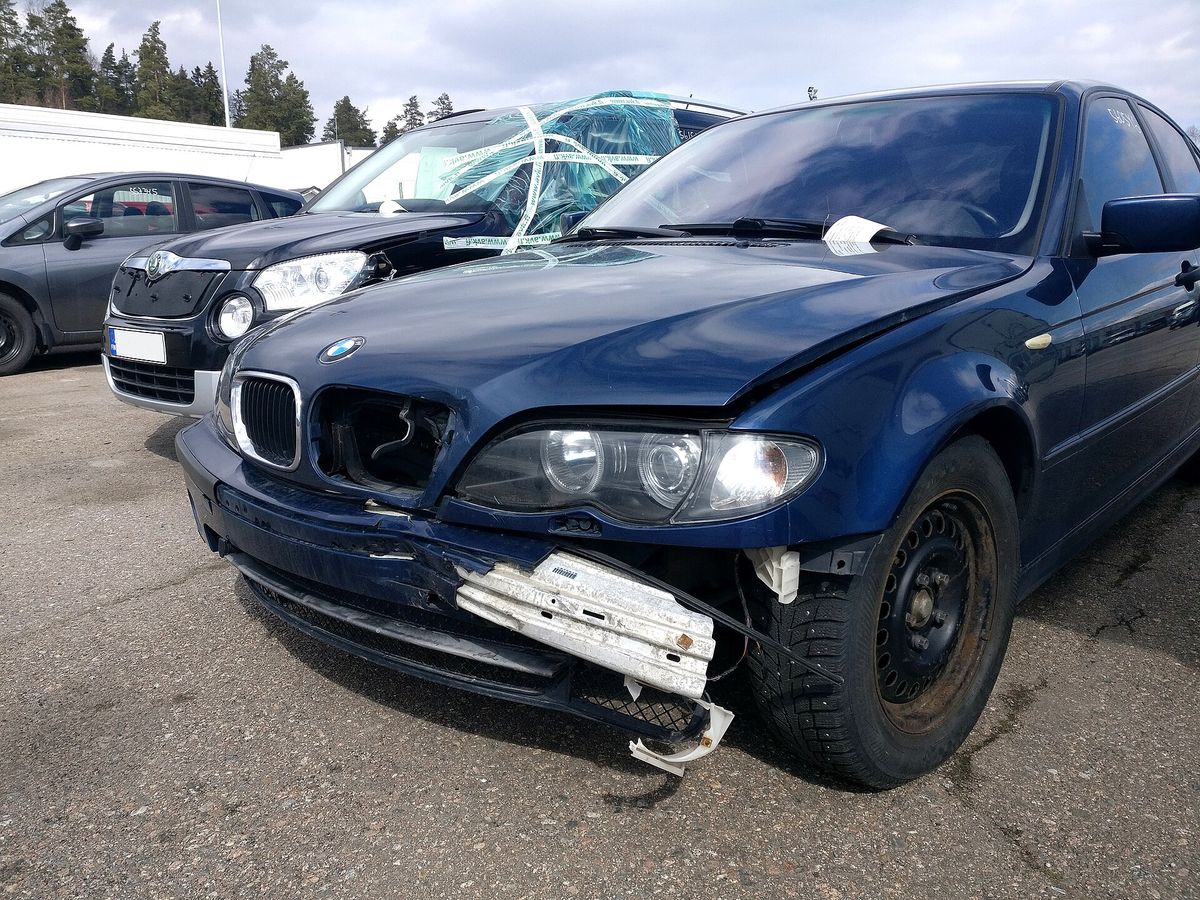
A car dent costs anywhere from $75 to $2,500 to fix, and the gap is almost entirely about one thing: did the dent break the paint? A clean door ding with the paint still intact is a quick, cheap paintless repair. A dent that cracked the paint, or a bumper that needs respraying, is body-shop work and costs several times more.
Most people dealing with a single parking-lot ding land around $350, which covers either a clean paintless pull or a small paint touch-in. Here is how to tell which side of that you are on.
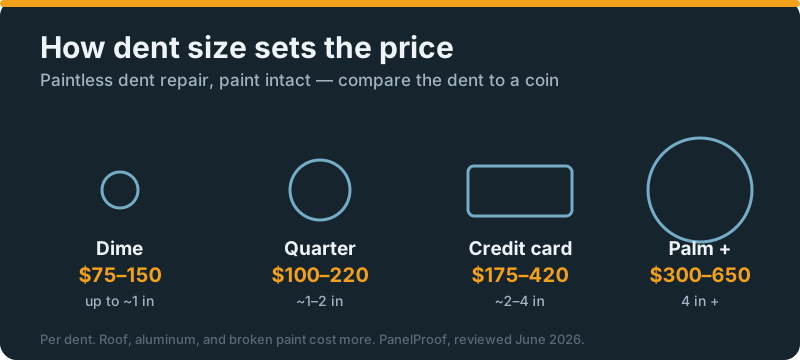
Door dings: the common case
A standard door ding, the kind you get from the car next to you, is $75 to $220 with paintless dent repair as long as the paint is intact. Shops will often knock down the price on a second or third ding done in the same visit. This is the cheapest, fastest repair in the whole cosmetic-damage world, and it keeps your factory paint. Chip the paint on a ding like that, though, and the paintless number stops applying. It needs touch-up or a small repaint instead, pushing it toward the pricing below. The full breakdown lives in the paintless dent repair cost guide.
Bumper dents: why they cost more
Bumpers feel like they should be cheap, since the part is plastic, but they are priced differently. Plastic flexes, so it resists the pulling that fixes metal dents, and it almost always needs to be repainted with a flex additive afterward. A bumper dent or deep scuff commonly runs $300 to $700 once paint is in the picture. If it also tore or cracked, you are closer to the high end or into replacement.
The paint test, every time
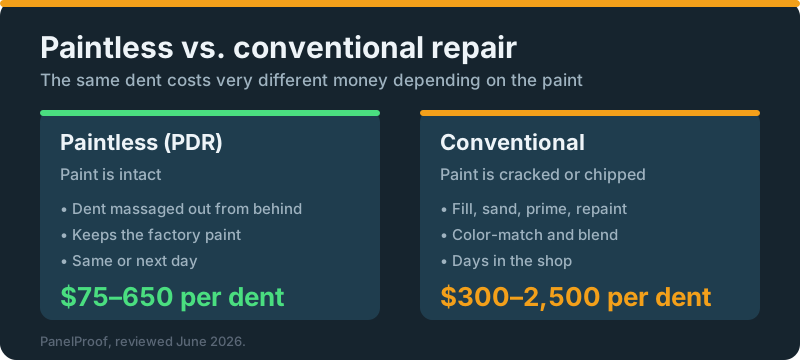
Drag a fingernail across the dent. Smooth and unbroken means paintless repair and the lower numbers. A crack, chip, or bare metal means the panel needs filler, primer, and a blended repaint, which is $500 to $2,500 depending on size and how fancy the paint is. Pearl and three-stage finishes cost more to match. There is one more reason to fix broken paint promptly: bare metal rusts, and a rust repair later costs more than the dent does now.
Replacing the panel is rarely the smarter move. It only makes sense when the panel is torn, creased sharply enough to have stretched the metal, or rusted through from the back side. For an ordinary dent, whether it stays paintless or needs a full repaint, fixing it costs a fraction of a new painted panel plus the labor to match it to the rest of the car.
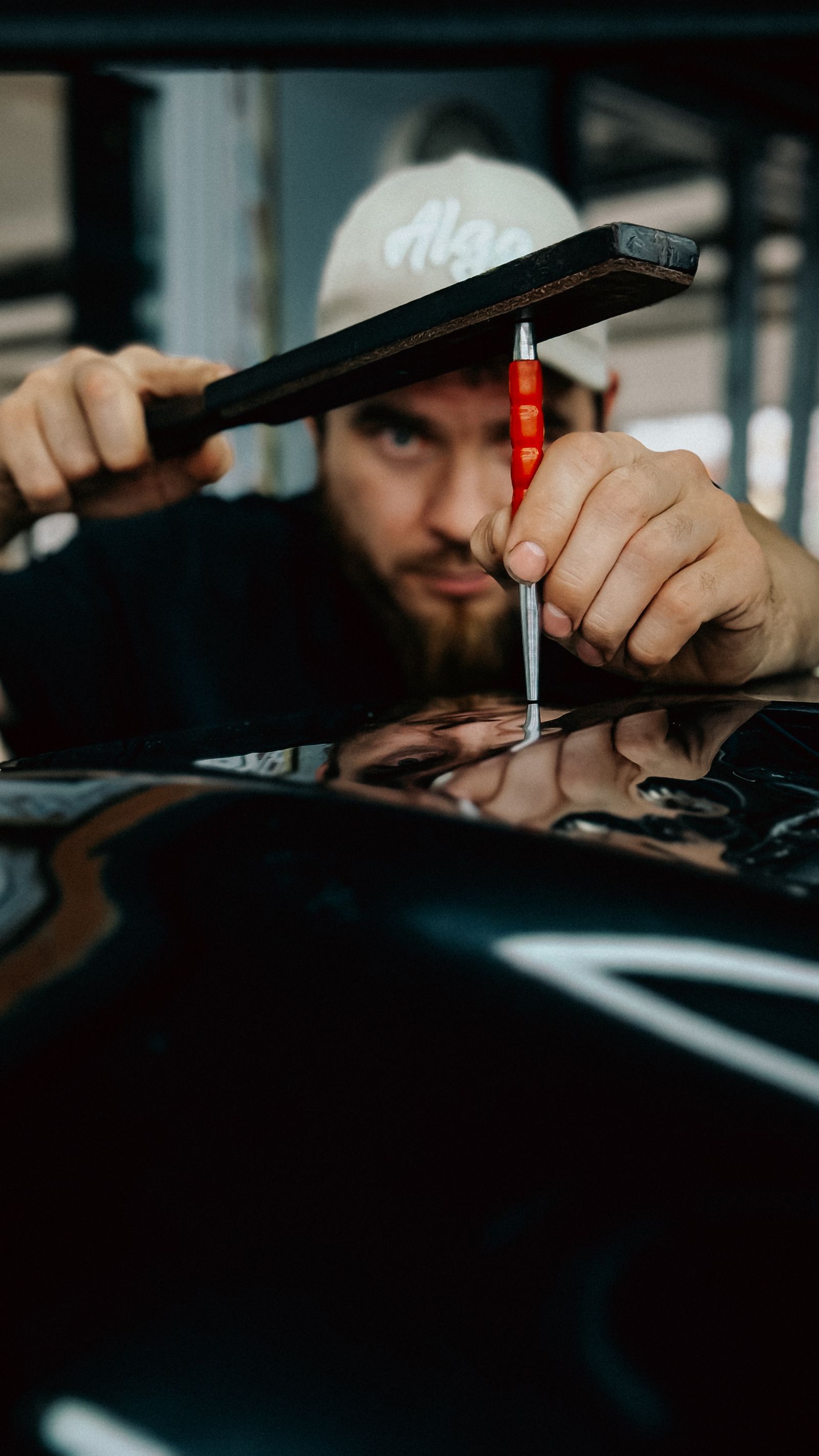
Reading a dent the way a tech does
The paint test tells you whether you’re in paintless or bodywork territory; the shape of the dent tells you whether paintless is realistic at all, even with the paint fully intact. Technicians think in terms of how wide a dent is against how deep it is. A wide, shallow dish, three inches across but barely an eighth of an inch deep, is the easy case: the metal stretched gently over a large area and pushes back cleanly. A tight, deep dent, half an inch across but a third of an inch deep, is the hard case, sometimes called a pit, because the metal at the center stretched so much on impact that it has nowhere to go when pushed back. Pros sometimes leave a stubborn pit slightly proud of the surface rather than risk a permanent high spot, which is why a shop will occasionally quote a dent as “should come out clean, small chance of a faint shadow” instead of a flat guarantee.
Sharp creases, the kind from a shopping-cart corner or a tow-hitch strike rather than a rounded impact, are a harder line than paint condition alone. Once metal folds instead of dishing, PDR generally can’t restore it fully without filler, because the crease has fractured the metal’s structure, not just bent it. On a large, flat panel like a hood or a roof, pushing too aggressively can also leave the panel “oil canning,” a loose, poppy feel where the metal has lost its tension and flexes in and out under light pressure. That’s a real risk on bigger panels, and it’s a big part of why a DIY glue-pull attempt on anything beyond a small door ding is a gamble: a pro reads how the panel is responding as they work, and a first attempt usually can’t.
DIY or shop?
A shallow, paint-intact door ding is a fair DIY job with a $20 to $120 glue-pull kit and some patience. Skip DIY on anything that broke the paint, sits on a body line, or lives on a bumper, because color matching and blending are genuinely hard and a bad touch-up looks worse than the dent. If you do go DIY on paint, buy touch-up matched to your factory color code, which is printed on the driver door jamb.
For hail, which is many dents at once, see the hail damage repair cost guide instead. For a dent that is really a deep scratch, the car scratch repair cost guide has the paint-depth math.
How to spot a lowball quote
Because the price gap between paintless and bodywork is so wide, dent repair is also a spot where a shady quote can masquerade as a bargain. A price that lands 30 to 50 percent under every other estimate you got is the single biggest red flag: legitimate paintless and bodywork repair both sit in a fairly narrow real cost band once you know your dent’s size and paint condition, and a quote that far under the pack usually means aftermarket parts, skipped prep steps, or a low number meant to get the car in the door before “we found more damage” charges show up. Ask for the estimate in writing, itemized by labor and materials, not a verbal figure over the phone. A shop worth using can point to I-CAR or ASE-certified technicians, will let you see the repair area, and backs the work with a written warranty rather than a vague “we stand behind it.” A shop that pressures you to decide on the spot, won’t itemize, or dodges whether it’s using OEM or aftermarket parts is worth walking away from, even if the number sounded good.
Getting two or three quotes costs a little time and nothing else, and for a repair in the $150 to $900 range, that time buys real leverage. Run your dent through the estimator at the top before you get quoted. The single most useful thing you can know walking into a shop is whether your dent is a $150 paintless pull or a $900 repaint, and whether the number in front of you is anywhere close to either.
What changes the price
| What changes the price | Effect on cost |
|---|---|
| Paint intact or broken | The single biggest factor. Intact paint means cheap paintless repair; broken paint means bodywork and repaint. |
| Dent size | A door ding is $75–220; a large dent needing bodywork can reach $1,500–2,500. |
| Panel | Plastic bumpers flex and often need paint and flex additive; doors and fenders are the easiest panels. |
| Location on the panel | Dents on a body line or edge are harder than a dent in the open middle of a panel. |
| Vehicle and paint type | Pearl, metallic, and three-stage paints cost more to blend; luxury and aluminum add labor. |
DIY or hire a pro?
Do it yourself
$20–$120
A shallow door ding with intact paint is a fair DIY target with a glue-pull kit. A bumper dent that broke the paint, or any dent needing color match, is shop work; touch-up rarely looks right on a body panel.
What you'd buy on Amazon:
Hire a pro
$75–$2,500
A PDR tech handles paint-intact dings for $75–650; a body shop handles broken-paint dents, bumper repaints, and larger damage for $300–2,500 depending on size and finish.
As an Amazon Associate, PanelProof earns from qualifying purchases.
Is it worth fixing?
Fix it if…
the dent broke the paint (bare metal rusts over time), it sits on a bumper or body line, or you are heading into a lease return or sale where every ding is itemized.
Live with it if…
it is a shallow, paint-intact dish on an older car and it does not catch your eye daily. Sealed dents are cosmetic and stable.