Bumper Scuff Repair Cost (2026): By Damage Depth, Not Size
Bumper scuff repair costs $75 to $800 in 2026 depending on how deep the scuff goes. DIY kit prices, shop tiers by paint depth, and which scuffs need a claim.
Typical cost
$75$800
Costs reviewed July 2026
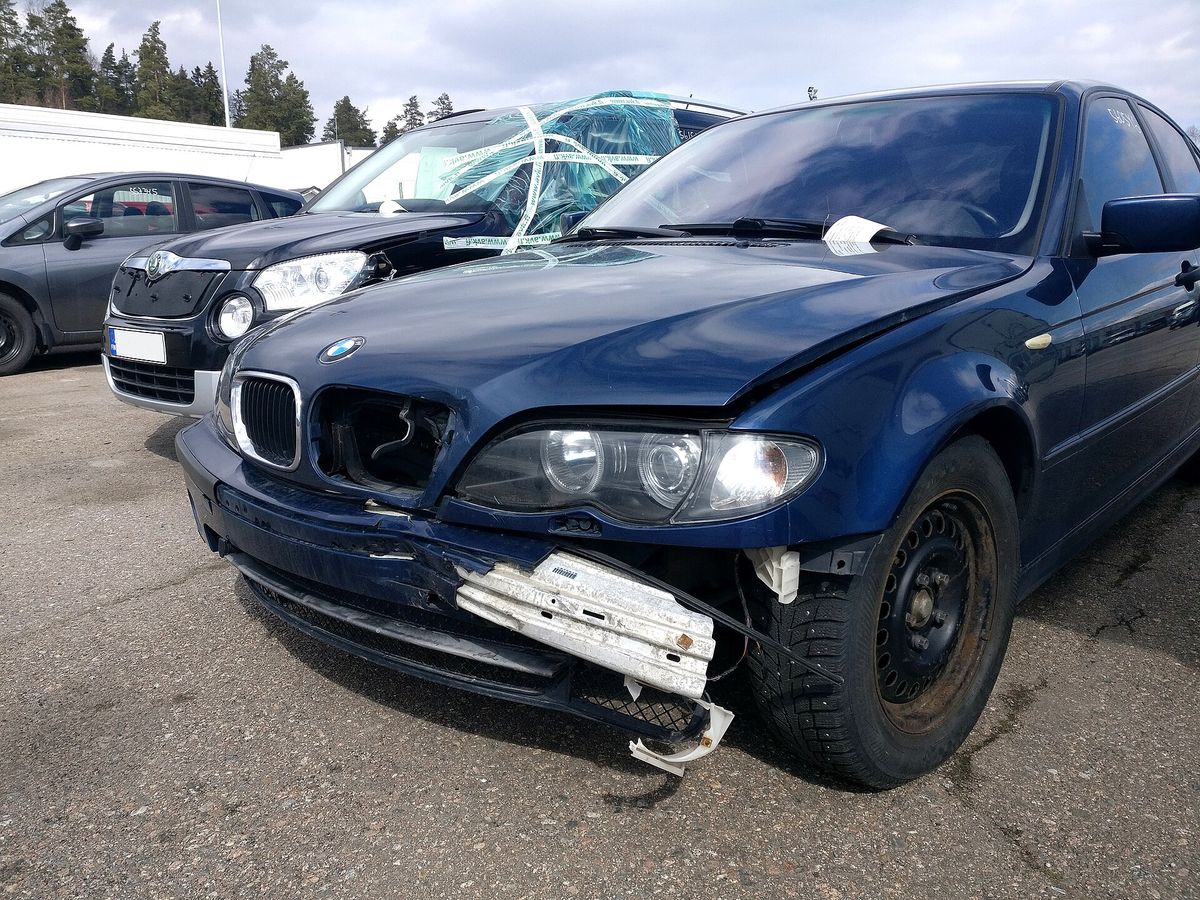
A bumper scuff runs $75 to $800 to fix, and almost all of that spread comes down to one question: did the mark make it past the clear coat? A scrape that only dulled the surface buffs out for the price of a shop pass, or a $15 kit at home. One that exposed color, primer, or bare plastic underneath needs sanding, color-matched paint, and blending, and that’s most of the bill. Most people fixing a single curb scrape or parking-lot scuff on a painted bumper land around $300.
Plastic complicates the usual test
The fingernail test still works here, catches or doesn’t, same as any painted panel. But a bumper adds a step a steel door or fender doesn’t need: is it even painted? Plenty of bumpers carry a lower section of unpainted, textured black plastic trim, and a scuff there is a different, cheaper animal than the same scrape on the painted upper section. Check both before you assume you’re looking at a repaint.
What the tiers actually cost
- Unpainted, textured plastic scuff: $75 to $250, often just a polish
- Clear-coat-only scuff on painted plastic: $75 to $200
- Into the color coat: $250 to $600
- Deep gouge into the plastic itself: $400 to $800
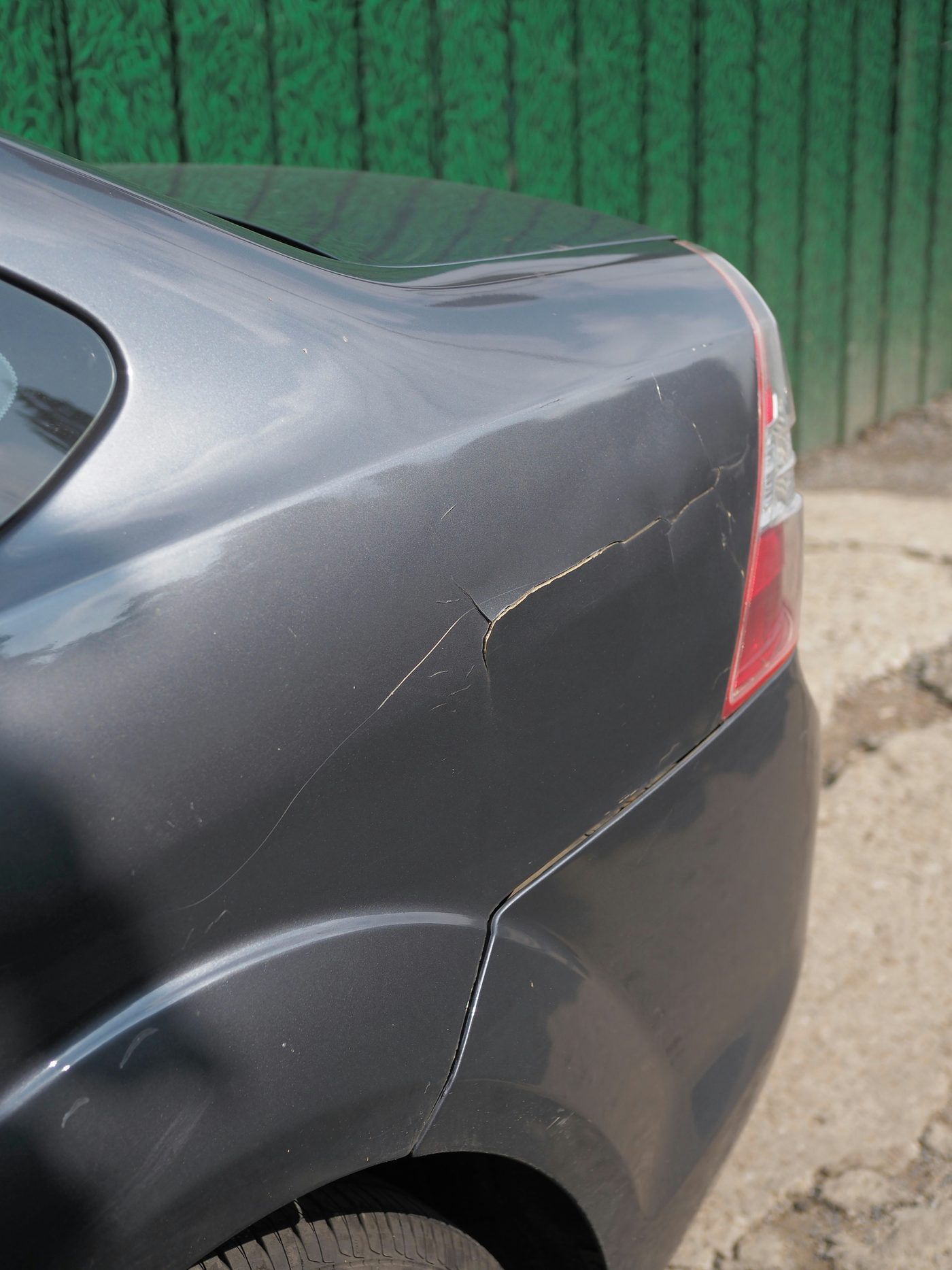
Length and finish adjust those numbers. A scrape that runs the width of the bumper blends over more area than a short curb tap of the same depth, and metallic, pearl, or tri-coat paint is harder to match than a solid color, at every tier above.
Why plastic adds a step metal doesn’t
A body shop’s process for a bumper is longer than for a metal panel with the same depth of damage, because the bumper cover is plastic, not steel. Painting flexible plastic needs a flex additive mixed into the color coat, or the fresh paint cracks the first time the bumper flexes over a speed bump. A gouge deep enough to reach the plastic substrate needs specialized plastic-welding or flexible filler and texture restoration to match the bumper’s factory grain before any color goes on. The upside: plastic doesn’t rust the way exposed steel does, which is one worry you don’t have to carry on a bumper the way you would on a scratched fender or door.
DIY: when a kit actually works
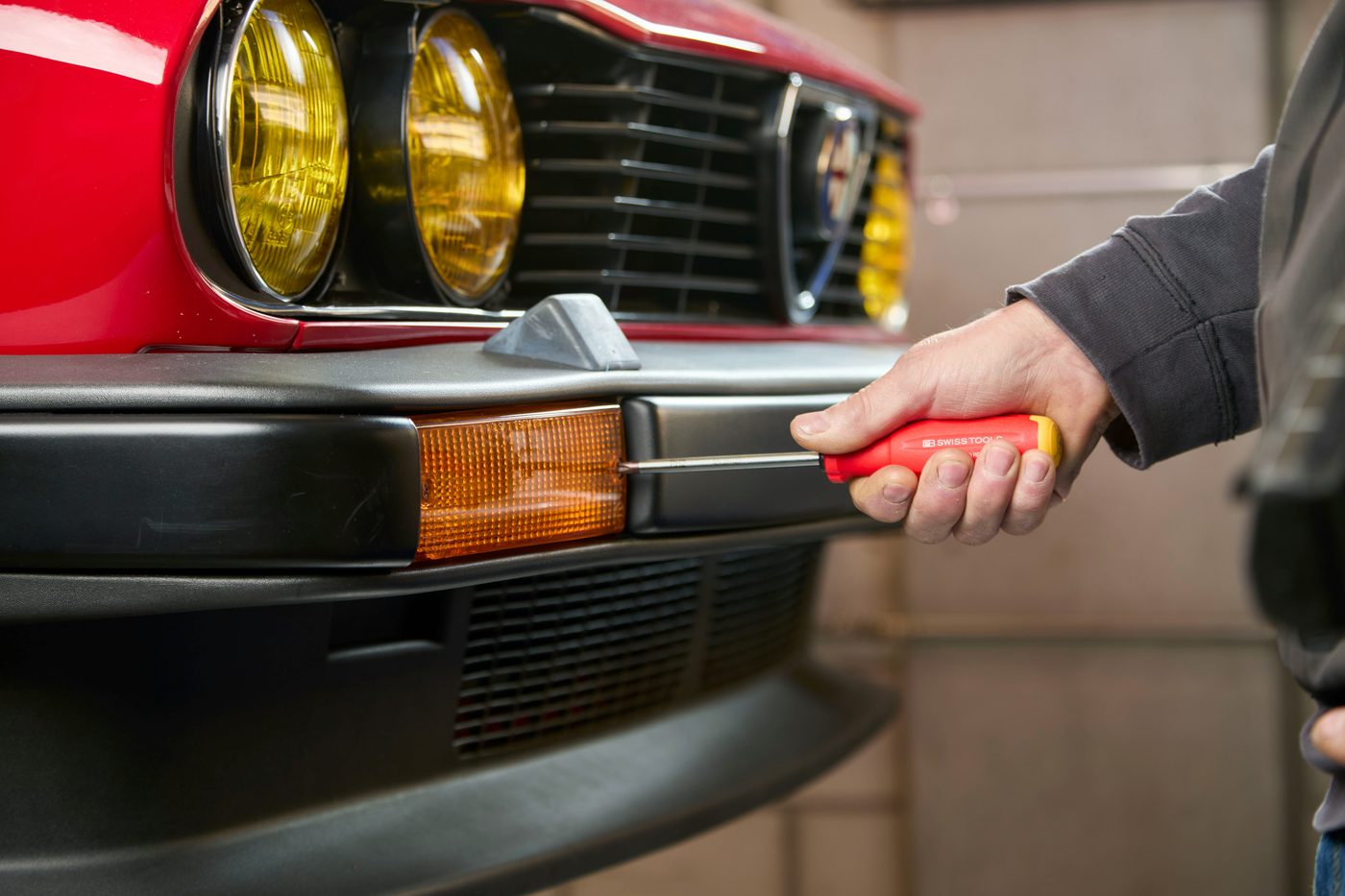
For a clear-coat-only scuff, a compound kit or rubbing polish genuinely works, and it’s the right first move before you call anyone. Expect $15 to $50 and twenty minutes of elbow grease.
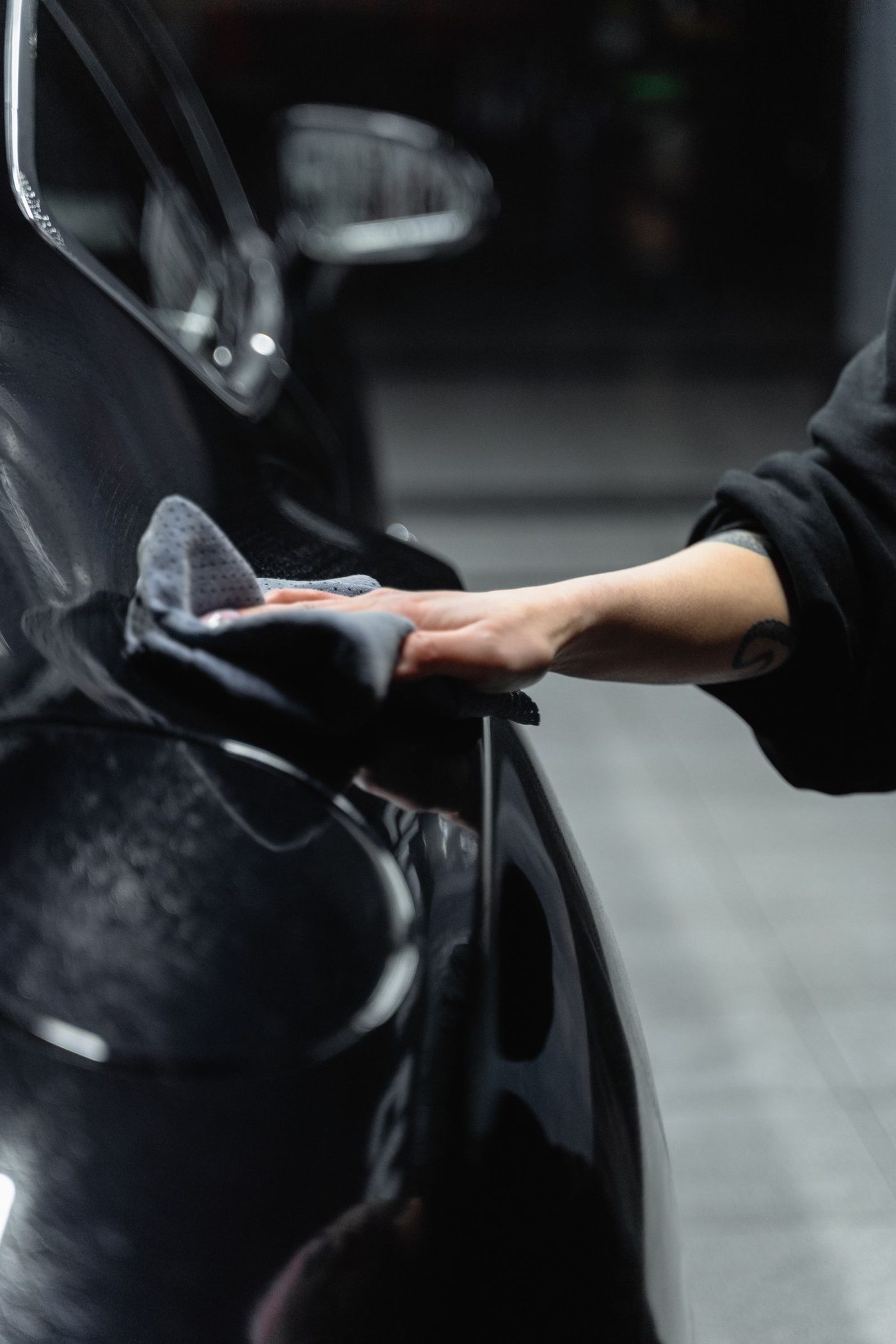
Once the mark reaches color or primer, a touch-up pen matched to your factory paint code, printed on the door jamb, seals the plastic against moisture and UV and buys you time. It rarely disappears the way a shop blend does. On a small chip on a bumper you rarely look at closely, that’s a fine trade. On the front bumper you see every time you get in the car, it usually ends up looking like a touch-up, not a repair. A gouge into the plastic itself, with cracked or missing material, is past what any home kit is built to fix; that needs the plastic-repair and texture-matching step a shop does.
The repaint tier, and why it costs what it does
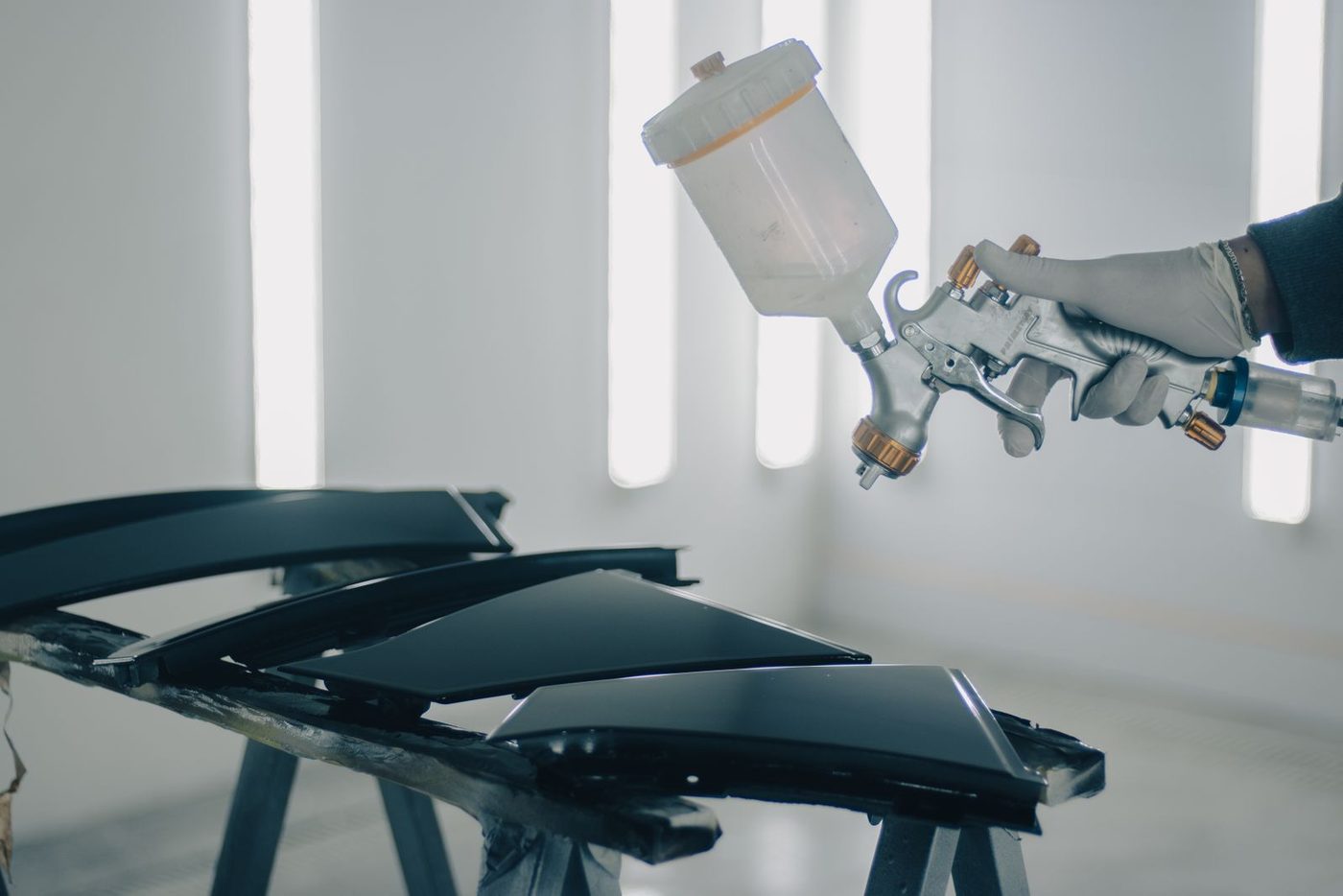
Once a scuff has reached the color coat, the shop process runs through decontamination, sanding and feathering the edges, plastic repair if the gouge needs it, primer, color-matched paint, clear coat, and a final polish pass. That’s why $250 to $600 is the honest range for a painted-through bumper scuff and not the $75 a clear-coat buff costs: it’s a full miniature repaint, done right so the repair panel doesn’t stand out next to the rest of the car.
When it’s not a scuff anymore
Everything above assumes the bumper cover itself is intact, just marked or worn on the surface. If the impact also cracked the plastic through, snapped a mounting tab, or knocked the bumper loose from its clips, you’ve left scuff territory and entered replacement territory, and the math changes completely. A crack under about six inches with the mounting points still solid can often still be plastic-welded and refinished for somewhere around $300 to $800, which is really the top of this guide’s range rather than a separate tier. A broken mounting tab is the harder line, though: without it, the bumper can’t be securely reattached, and a loose bumper that vibrates or lets go at highway speed is not a cosmetic problem anymore. Once tabs are broken, or the crack reaches a sensor housing for blind-spot or parking assist, replacement is the honest answer, not a repair, since manufacturers generally prohibit patching over sensor zones because filler and heavy paint block the radar and ultrasonic signals those systems rely on. A new cover plus paint, labor, and any sensor recalibration typically runs $800 to $2,000 or more. If your damage looks anywhere near that level, this guide’s numbers don’t apply to your car. Get an in-person look before you assume a scuff-tier price.
Getting quotes without getting scammed
Bumper scuffs sit in an odd spot for scams. The dollar amounts are too small for a serious storm-chaser-style operation to bother with, so the more common risk here is a mobile “scratch and dent” tech working out of a van who quotes low over the phone to get the job booked, then either rushes the work with no warranty or discovers “more damage” once the bumper is off the car. The same red flags apply here as to any body work: a price 30 to 50 percent under two or three other quotes usually signals shortcuts, not a genuine deal. Ask what the quote actually covers before you agree to it, specifically whether it includes blending into the adjacent panel and a color-match guarantee, since a $75 buff quote and a $75 “we’ll spray it and see” quote are not the same service, even at the same price. A shop or mobile detailer worth using will give you a written estimate and stand behind the work; one that wants cash only, upfront, with no paperwork, is a coin flip you don’t need to take on a repair this size.
That’s also a case where a slightly higher quote from an outfit with a real address and real reviews is worth the extra money. On a $75 to $300 repair, the gap between a good outcome and a bad one is bigger, proportionally, than the gap in price.
Is it worth fixing, or worth a claim?
A scuff that reached color or bare plastic is worth sealing even if you delay the cosmetic blend, since exposed plastic degrades under UV and any nearby exposed metal trim starts to rust. A faint clear-coat scuff on unpainted lower trim, or a light mark on an older car, is a fair one to buff yourself and forget. What it almost never is: worth an insurance claim. Even the top of this range sits well under a typical $500 comprehensive deductible, so budget for a cash repair and save the claim for something that actually clears it.
What changes the price
| What changes the price | Effect on cost |
|---|---|
| How deep it went | The single biggest lever. A clear-coat-only scuff buffs out cheap; anything into the color, primer, or plastic needs paint. |
| Painted vs unpainted plastic | Lower black textured trim usually isn't painted at all, so a scuff there is a $75–250 polish job, not a repaint. |
| Length of the scuff | A scrape that runs the width of the bumper costs more to blend than a short curb tap of the same depth. |
| Paint finish | Metallic, pearl, and tri-coat finishes are harder to match and blend, and raise the price at every tier. |
| Plastic damage | A gouge that breaks the plastic itself needs flexible filler and texture restoration before any paint goes on, the priciest tier. |
DIY or hire a pro?
Do it yourself
$15–$60
A clear-coat-only scuff, the kind that doesn't catch a fingernail, genuinely buffs out with a compound or scratch kit. Once color shows, a touch-up pen matched to your paint code seals the plastic against moisture and UV, but on a bumper you look at every day, it rarely blends invisibly.
What you'd buy on Amazon:
Hire a pro
$75–$800
A shop buffs a clear-coat-only scuff same-day for $75 to $200. Damage into the color coat needs sanding, primer, and color-matched paint with a flex additive, $250 to $600. A gouge that reached the plastic substrate adds specialized plastic repair and texture work, $400 to $800.
As an Amazon Associate, PanelProof earns from qualifying purchases.
Is it worth fixing?
Fix it if…
the scuff reached color, primer, or the bare plastic (both rust risk on nearby metal trim and UV degradation of exposed plastic get worse over time), it's on the front bumper you see every day, or you're prepping the car for sale.
Live with it if…
it's a faint clear-coat scuff on unpainted, textured lower trim, or a light mark on an older car you're keeping. Buff it yourself and move on.
A bumper scuff almost never clears a typical $500 comprehensive deductible, even at the top of this range, so it's a cash repair for nearly everyone. That's different from a long vandalism scratch across several panels, which can be worth a claim.