Paintless Dent Repair vs Body Shop: Which Does Your Dent Need?
One question decides whether your dent is a cheap paintless pull or a body-shop repaint: is the paint broken? Here's how to tell, and what each path costs.
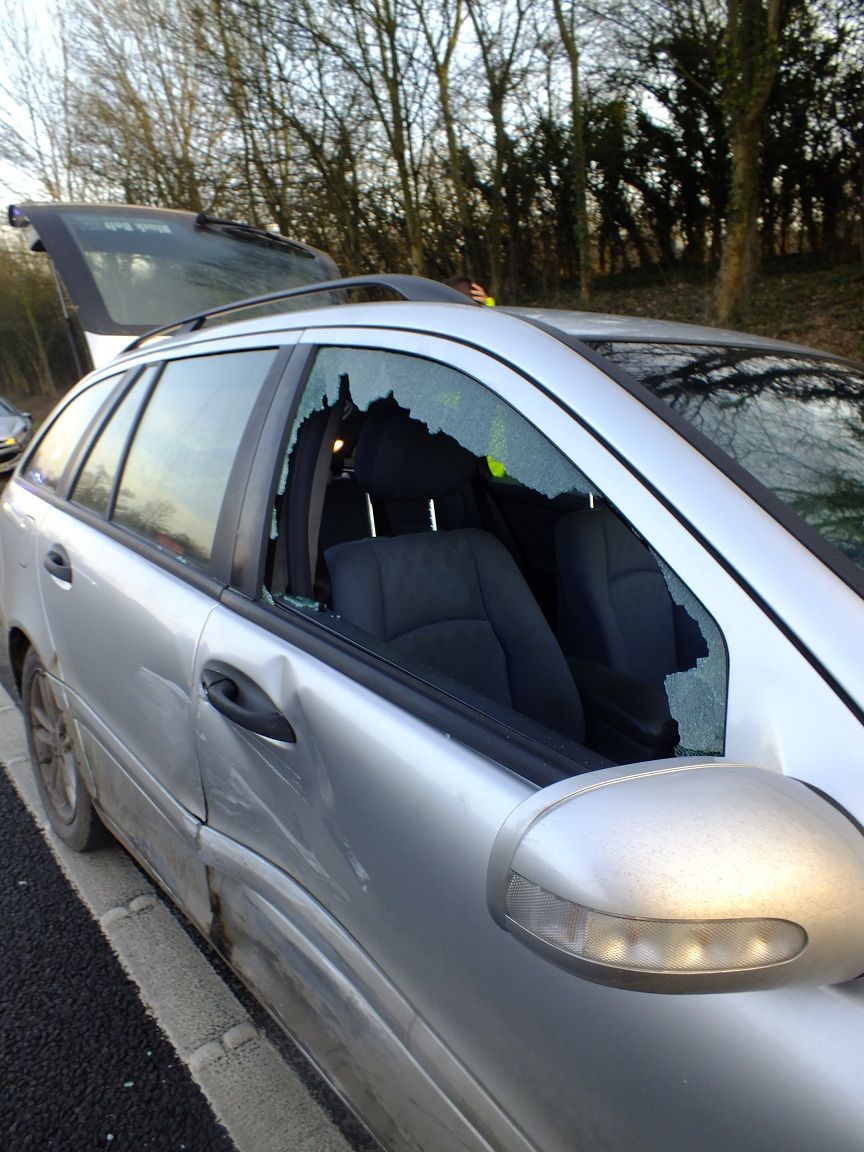
People agonize over choosing between paintless dent repair and a body shop, but the dent usually chooses for you. There is one test that settles it in five seconds, and once you know the answer, the price range follows.
The fingernail test
Run a fingernail across the dent. If the paint is smooth and unbroken, paintless dent repair is on the table. If you feel a crack, a chip, or bare metal, it is not, and you are looking at conventional bodywork.
That is the whole decision. Paintless repair works by massaging the metal back into shape from behind the panel, which only works if the original paint can flex back with it. Broken paint cannot, so the panel has to be filled, primed, and repainted to match.
What each path costs
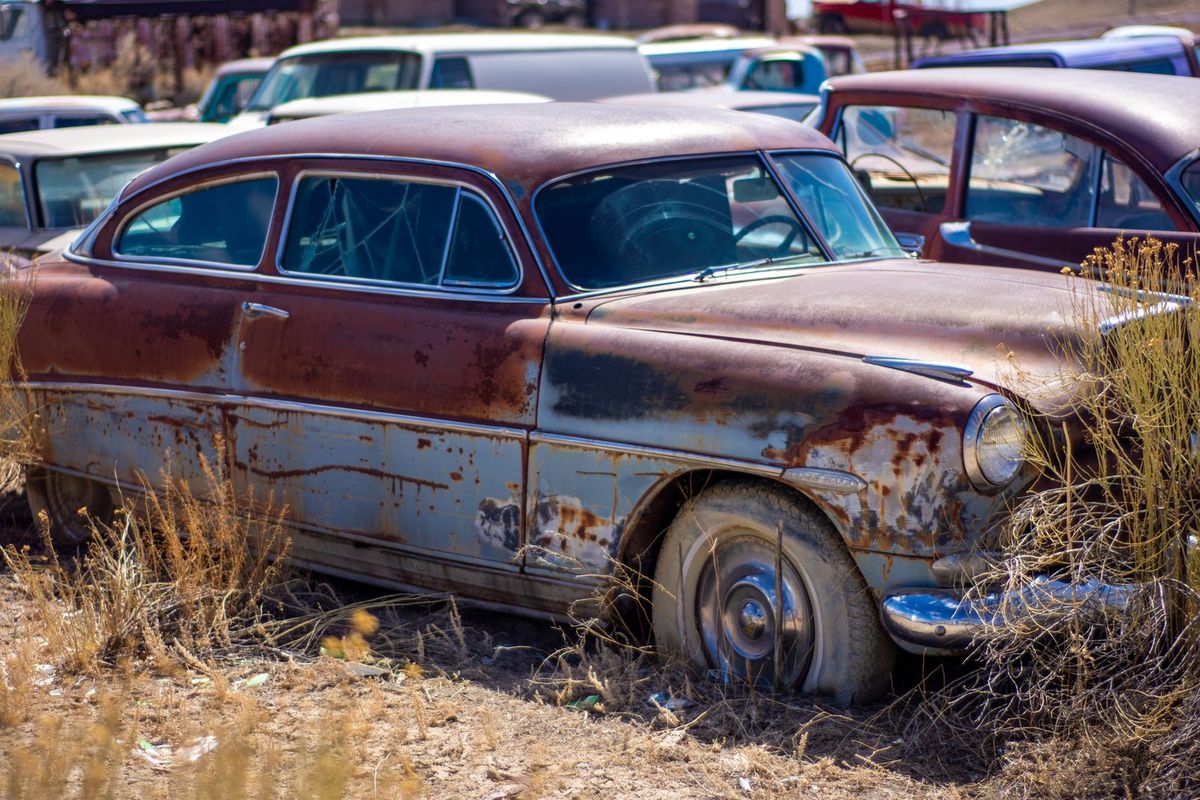
- Paintless (paint intact): $75 to $650 for a single dent, keeps the factory finish, often same-day. This is the right call for door dings, hail, and most parking-lot dents.
- Body shop (paint broken): $300 to $2,500 depending on size and finish, because of filler, paint, and blending. This is the path for cracked-paint dents and bumpers.
Run the same dent through both paths and paintless usually comes out 40 to 60 percent cheaper, since there’s no filler, primer, or paint to buy or blend in. That gap is the real cost of broken paint, not the size of the dent.
The exceptions
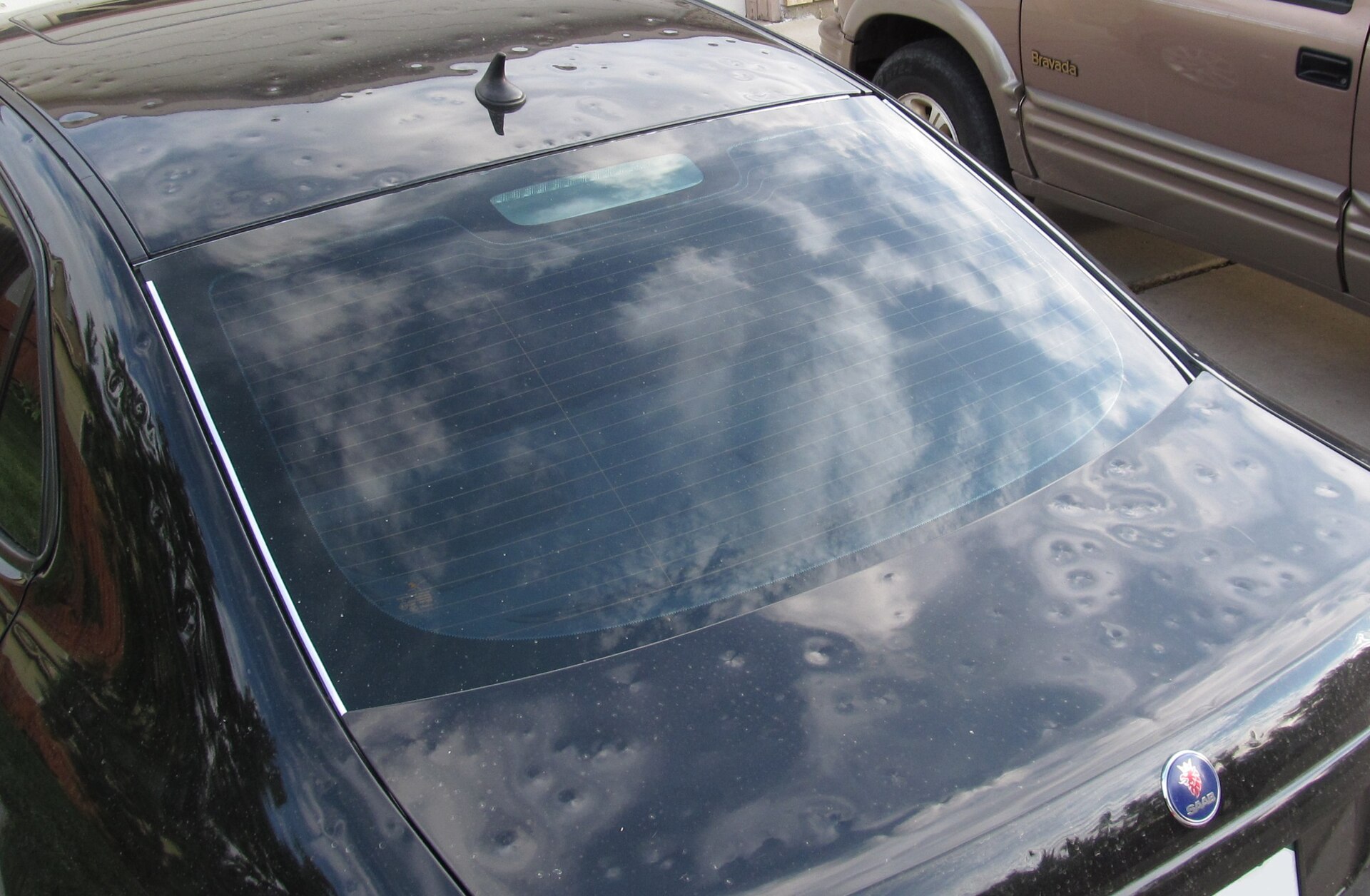
Even with intact paint, a few dents still go to a body shop: sharp creases that stretched the metal, dents right on a body line, and spots with no access from behind the panel. A good paintless tech will tell you honestly when a dent is outside what their method can fix cleanly.
Finding a tech who won’t make it worse
PDR results depend entirely on the person doing the work. Two techs with identical rods can produce very different results on the same dent, because the skill is reading how the metal wants to move and applying pressure in the right sequence, not owning the right tool. The credential to look for is Vale Training Solutions certification, the only PDR certification endorsed by the National Alliance of PDR Technicians (NAPDRT), an industry group formed specifically because insurers and a wave of low-quality mobile operators pulled PDR standards down over the past several years.
Before handing over a car, ask three things: how long the tech has done PDR specifically, not general bodywork; whether they carry liability insurance while your car is in their care; and whether they can show a comparable before-and-after on a similar panel. Someone who can’t answer those, or who wants cash only with no receipt, is the same red flag as a body shop that won’t put an estimate in writing. If a dent is a close call on the fingernail test, a good tech says so honestly rather than guaranteeing a clean pull just to land the job.
Does PDR show up on your vehicle history report?
If you’re weighing this with a future sale in mind, PDR has a quiet advantage: since it involves no bodywork, no paint, and typically no insurance claim in a cash-pay repair, PDR shops generally have no reporting relationship with services like CARFAX. A door ding pulled and paid for out of pocket leaves the vehicle history clean. A body-shop repaint paid through an insurance claim is different, since insurers are a primary CARFAX data source and a claim number tied to your VIN can surface as reported damage even after a perfect repair. That’s one more reason the fingernail test matters before you sell, not just before you fix: if the paint is intact and PDR is on the table, it’s the cheaper option and the one that keeps the paper trail clean. More on the resale math in fixing cosmetic damage before you sell.
If your dent does need a body shop, treat the quote the way you’d treat any repair estimate: a legitimate shop gives you an itemized written number, not a verbal figure, and a shop whose quote lands 30 to 50 percent below everyone else’s is more often cutting corners on filler, prep, or paint than genuinely being cheaper. Get at least two quotes before you commit to conventional bodywork.
The bottom line
Do the fingernail test, then run the dent through the estimator with the right paint answer. Knowing whether you are in $150 paintless territory or $900 repaint territory before you call anyone is the difference between a fair price and an upsell.