Should You Fix Cosmetic Damage Before Selling Your Car?
Dents, scratches, and curb rash all cost less to fix than they knock off resale, with a few exceptions. Here's the math on what to repair before you sell.
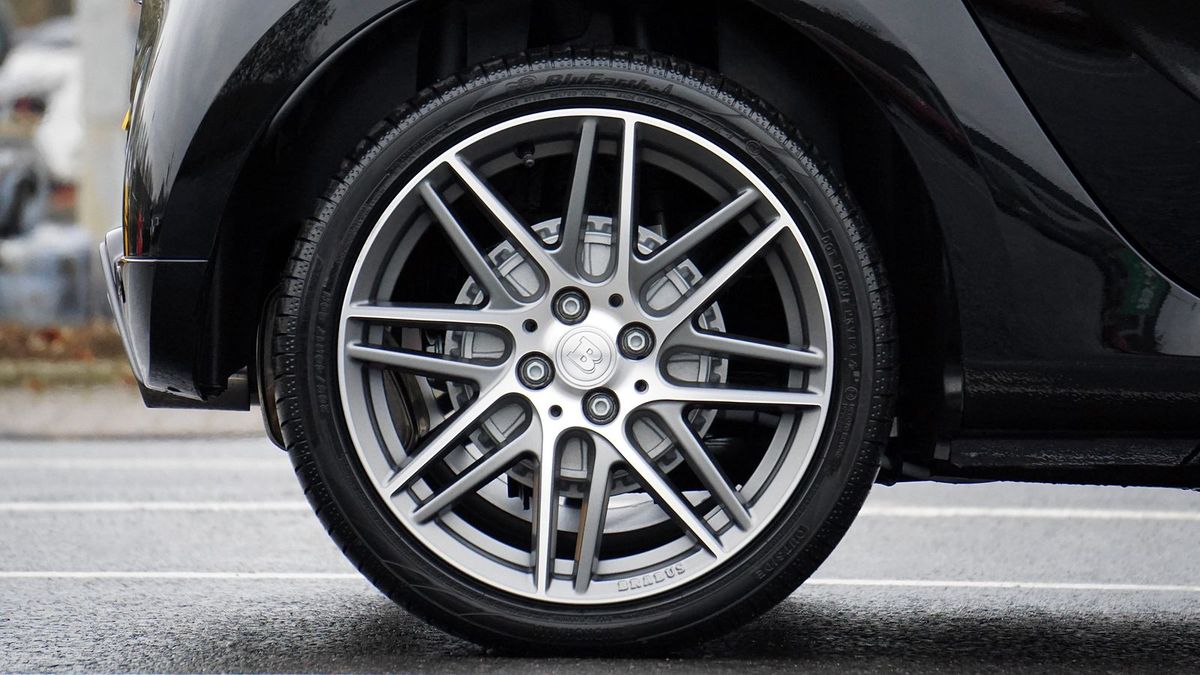
A buyer walking up to your car makes up their mind in about ten seconds, and most of that is paint and wheels. The question is whether fixing the cosmetic stuff first actually pays off, or just spends money you are about to hand over anyway. Most of the time it pays off, because buyers and appraisers dock more for visible damage than the repair costs to fix. But not always.
The repairs that almost always pay off

These are cheap, visible, and disproportionately shape the “was this car cared for?” impression:
- Curb rash on the wheels. A refinish is $75 to $150 a wheel, and scuffed rims make a clean car look neglected.
- Clear-coat scratches. A buff is under $30 to DIY and erases a surprising amount of “tired” look.
- Door dings. A paintless pull is $75 to $220 and removes the most common eyesore there is.
Spend a few hundred dollars here and the car shows like it was looked after, which is worth more than the receipt at trade-in or private sale.
The repairs to think twice about
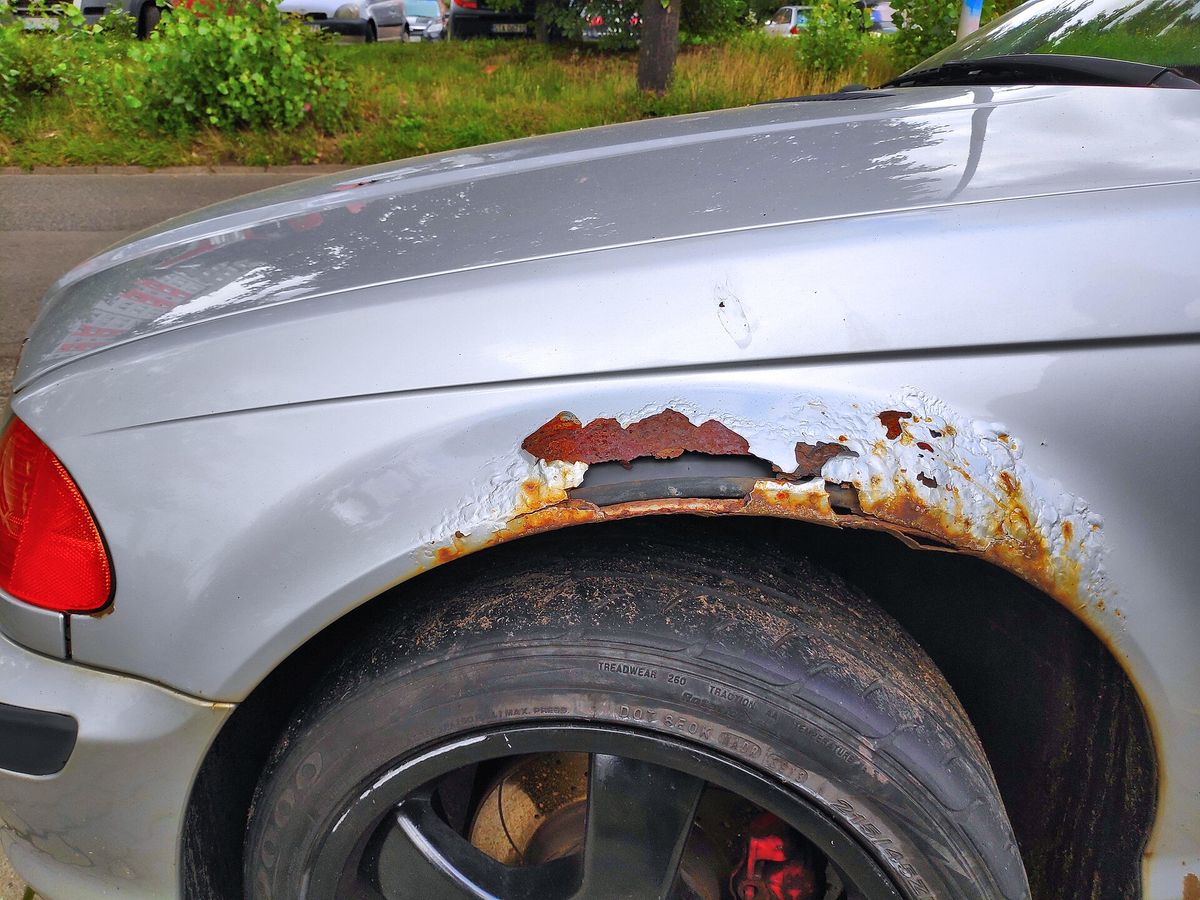
- Deep, repaint-level damage on an older car. A $900 repaint on a car worth $4,000 rarely returns its cost. Disclose it and price accordingly instead.
- Bent alloy wheels. If a wheel needs replacing rather than a cosmetic refinish, that can cost more than a buyer would dock for it.
- Rust that has gone structural. Surface rust is cheap to stop, but rot-through repairs can exceed what they add to a sale.

What shows up on a vehicle history report, and what doesn’t
Before you decide whether a repair is worth it, it helps to know what a buyer running a CARFAX or AutoCheck report will actually see. CARFAX scores reported damage on a three-tier severity scale and shows where on the car it happened, but that scale only fires when something gets reported to CARFAX in the first place, and most cosmetic work never does.
Paintless dent repair is the clearest example. A PDR pull involves no bodywork, no paint, and typically no insurance claim when it’s paid out of pocket, so PDR shops generally have no reporting relationship with CARFAX at all. A door ding you paid $120 to pull, in cash, off the record, leaves no trace on the report a buyer pulls. A body-shop repaint paid through an insurance claim is a different story: insurers are one of CARFAX’s primary data sources, so a claim number attached to your VIN can surface as reported damage even after a flawless repair.
That asymmetry matters for the sell-before-you-list math. Fixing dents and scratches out of pocket, without filing a claim, gets the car looking clean and keeps the report clean. Filing a claim for the same cosmetic work can fix the car but flag the report, the opposite of what you want right before a sale.
Rust is different again. It’s a mechanical condition a buyer finds on a walk-around or a pre-purchase inspection, not an accident event, so it won’t show up on a CARFAX or AutoCheck report either way. Whether to fix it is purely the repair-cost-versus-negotiating-leverage math below.
What does reliably get reported, regardless of how it was paid for: frame or structural damage, airbag deployment, and anything tied to a police report or a total-loss claim. None of that is optional to disclose, and none of it is what this guide is about.
The rule of thumb
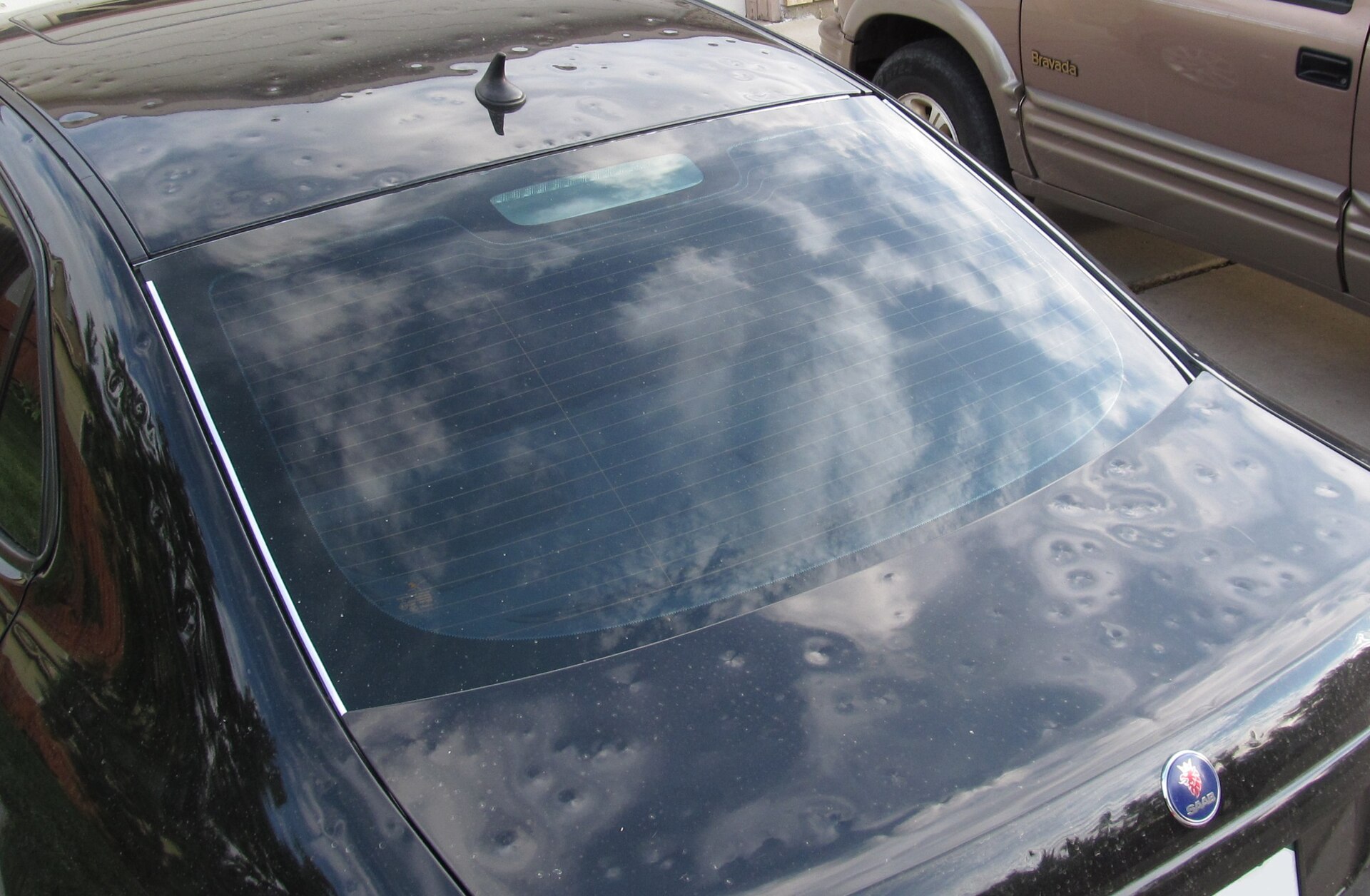
How much is that negotiating leverage actually worth? Industry figures built from CARFAX, Kelley Blue Book, and AutoCheck data put the value hit from reported accident history at 10 to 30 percent of a car’s value, with the average flagged vehicle selling for roughly $1,700 less than a clean-history equivalent. Dealers tend to hit you harder on trade-in, discounting 15 to 30 percent off pre-damage value, while private buyers tend to negotiate closer to 10 to 20 percent off. Those numbers are for reported accident history specifically, not a scuffed wheel a buyer just notices on the walk-around, but they show why the math almost always favors fixing the cheap, visible stuff: a buyer’s gut discount for “this car wasn’t looked after” routinely exceeds what a $150 wheel refinish or a $200 dent pull costs to prevent.
Fix anything where the repair is cheaper than what a buyer will negotiate off for it. That is almost always true for wheels, light scratches, and dings, and almost always false for major paintwork on a low-value car. Run each item through the estimators first, compare the number to what the damage would cost you at the negotiating table, and fix the ones that come out ahead.