Best Curb Rash Repair Kits: Fix Scraped Wheels Yourself
Curb rash kits are sandpaper, filler and paint in a box, and they work on painted alloys. Here's which kit to buy, the six-step sequence, and the damage you must not fill.
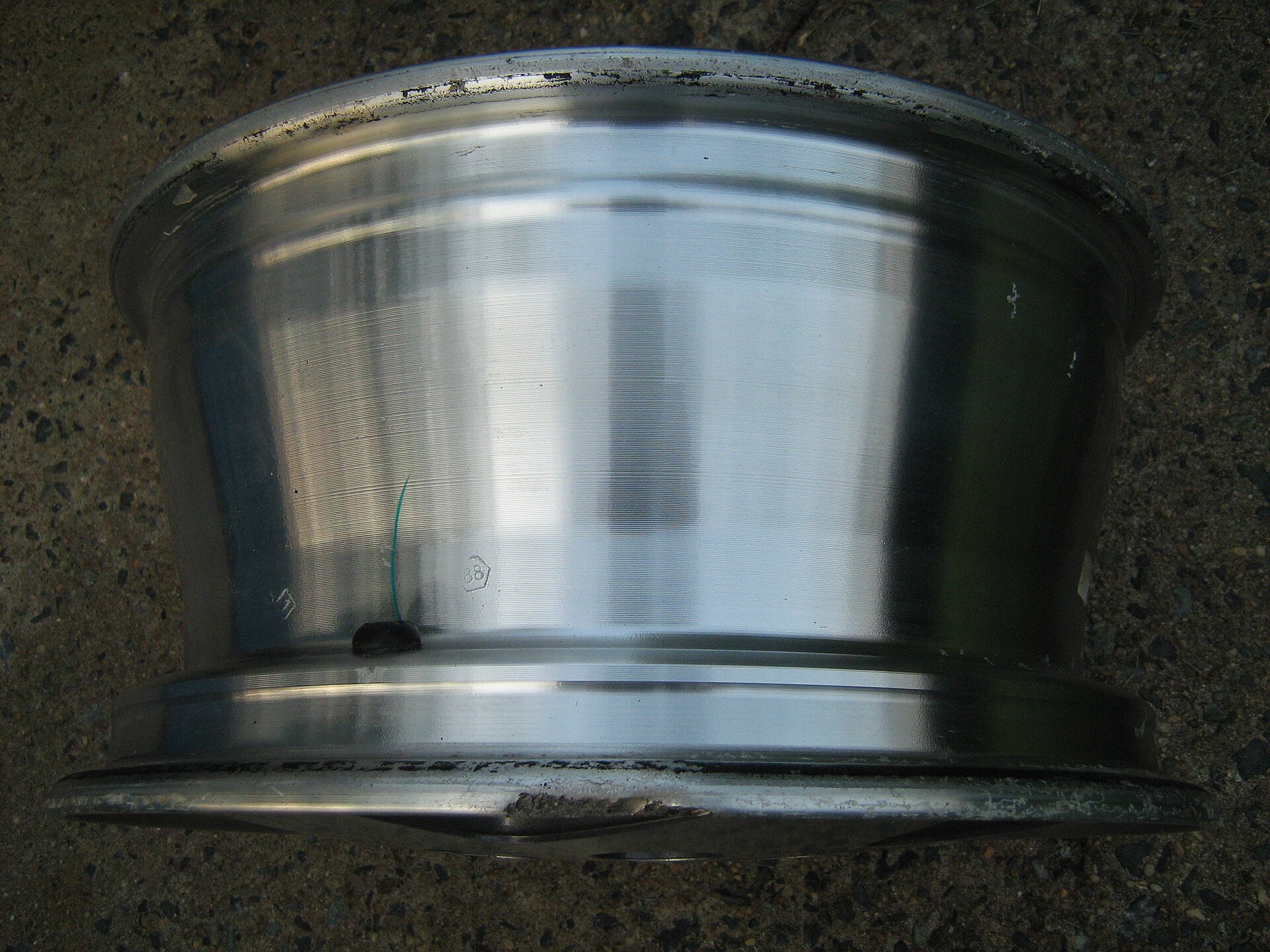
Curb rash is the cheapest cosmetic damage on a car to fix yourself and the easiest to fix badly. A kit costs $20 to $60 and contains the same four things every time: something to clean with, sandpaper in two grits, a filler, and paint. What separates a repair that lasts from one that flakes off in February is almost entirely prep, not product.
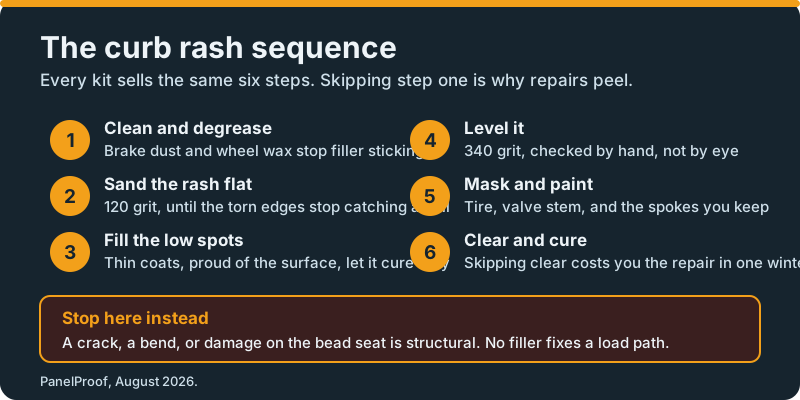
Before you buy anything, settle one question. Run a hand along the damage. If it is scraped and gouged but the wheel is still round and holding air, this is cosmetic and a kit is the right call. If there is a crack, a bend, or a flat spot where the tire seals, put the wallet away, because that is a structural part and no filler in the world carries load.
As an Amazon Associate, PanelProof earns from qualifying purchases.
What is actually in a curb rash kit?
Permatex publishes its own kit contents, which is a useful baseline for judging everything else on the shelf. Its Wheel Restoration Kit ships a 120 grit sanding block, 340 grit sandpaper, half an ounce of wheel repair filler, a paint marker, a wooden applicator stick, two alcohol towelettes, and masking tape, along with a seven step process from prep to paint.
Read that list carefully and you can see the shape of the job. Coarse grit to knock the torn aluminum flat, filler for the low spots the sanding cannot reach, fine grit to level the filler, and a marker rather than a spray for touching in color on a small area.
- Permatex 09142 Wheel Restoration Kit, silver is the tidy, self-contained option for one or two scraped spots, and the paint marker gives you far more control than an aerosol on a wheel still bolted to the car. Check current price.
- ATG Alloy Wheel Repair Kit covers filler and paint for silver alloy and steel wheels and is rated by its maker for up to ten repairs, which makes it the better economics if you have curbed more than one wheel or expect to again. Check current price.
Both are built around silver, and that is the honest limit of every kit in this category. Silver is what most painted alloys are, so most people are covered. If your wheels are gunmetal, satin black, bronze, or a two-tone machined face with a polished lip, the kit’s paint will not match, and you are buying the abrasives and filler from the kit and the color separately.
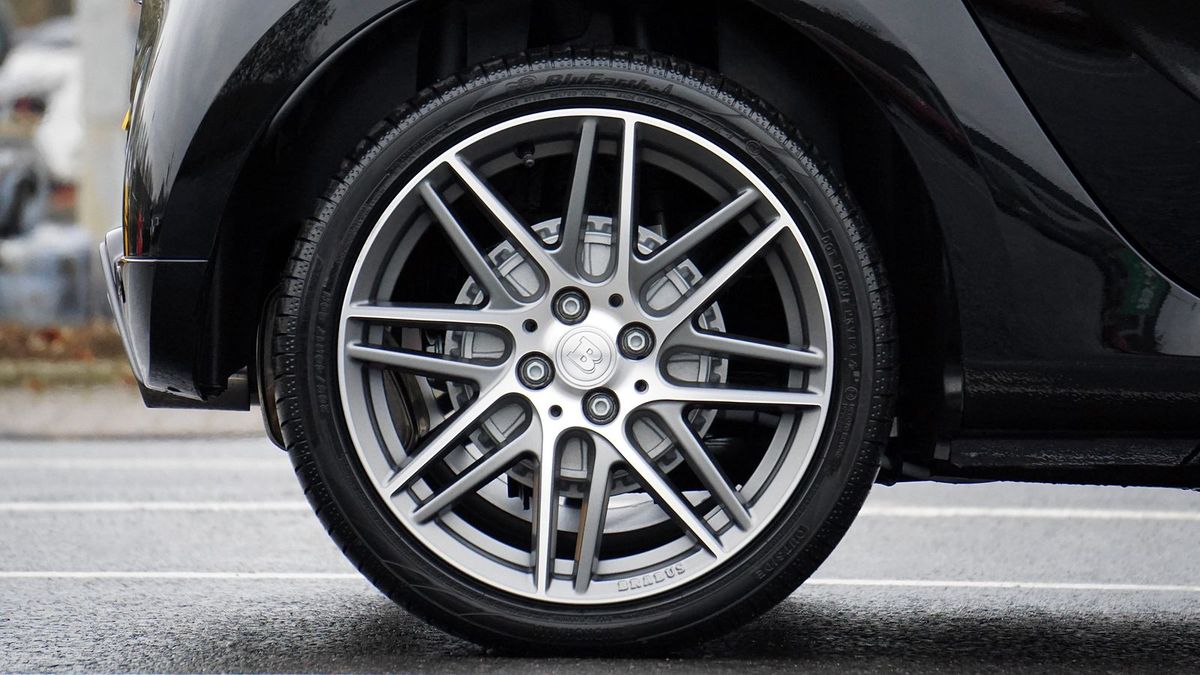
The paint is where DIY repairs usually give themselves away
Kit markers are fine for a scrape the size of a thumbnail. For a full lip or a whole face, an aerosol made for wheels holds up better, because wheel paint is formulated to survive brake dust, wheel cleaner chemicals, and the heat that comes off a rotor.
- Dupli-Color Wheel Paint, satin black, 12 oz is the aerosol route for a black or dark wheel, and it comes in enough colors that matching a factory finish is realistic. Check current price.
- You will also want abrasives beyond what the kit includes. Wet and dry sandpaper in an assorted grit pack covers the range between the kit’s 340 grit and a paint-ready surface, and check current price since grit assortments vary wildly in sheet count.
Three details separate a repair that holds from one that peels.
Degrease properly, twice. Wheels carry brake dust bonded into a film of road grime and whatever wheel wax was last applied. Filler will not stick to that, and neither will paint. Clean, sand, then clean again, because sanding liberates contaminant that was sitting in the pits.
Mask the tire and the valve stem. Overspray on a sidewall is permanent and instantly obvious. Masking tape along the bead and a card slipped under the lip takes five minutes and saves the look.
Never skip the clear coat. Wheel paint without clear over the top lasts one winter of road salt and brake dust. This is the single most common reason a DIY wheel repair looks great in October and terrible by March.
What damage should never get a repair kit?
This is the part the box does not tell you, and it is the reason to read a wheel before filling it.
A cracked wheel can sometimes be welded, but only in specific places. Repair specialists treat cracks in the inner barrel, the outer barrel, and the outer lip or rim flange as candidates for TIG welding with dye penetrant inspection to confirm the full extent of the crack, which is almost always longer than it looks. Cracks in four other locations mean replacement: the bead seat where the tire seals, the spoke roots, the hub face, and the lug seats or bolt holes. Welding a spoke root anneals a ring of metal around the weld and creates a stress concentration in the wheel’s primary load path, which is the definition of a repair that is worse than the damage.
The framing that stuck with me from that guidance is that location beats length. A short crack at a spoke root is far more dangerous than a longer crack in the inner barrel, because the stress the two areas carry is not remotely comparable.
Bends are their own case. A steel wheel bent by a pothole can usually be straightened cheaply. An alloy often cannot be straightened safely at all, since aluminum work-hardens and a straightened alloy carries fatigue you cannot see. If a wheel vibrates at speed or slowly loses air, that is not cosmetic damage and it does not belong in this article.
Finally, machined and polished faces. Those are cut on a lathe, not painted, and there is no consumer product that reproduces the lathe marks. A kit repair on a machined face reads as a dull patch in a bright surface every time. That one goes to a wheel shop with a CNC lathe, or it becomes a full refinish or powder coat that changes the whole face to a solid color deliberately.
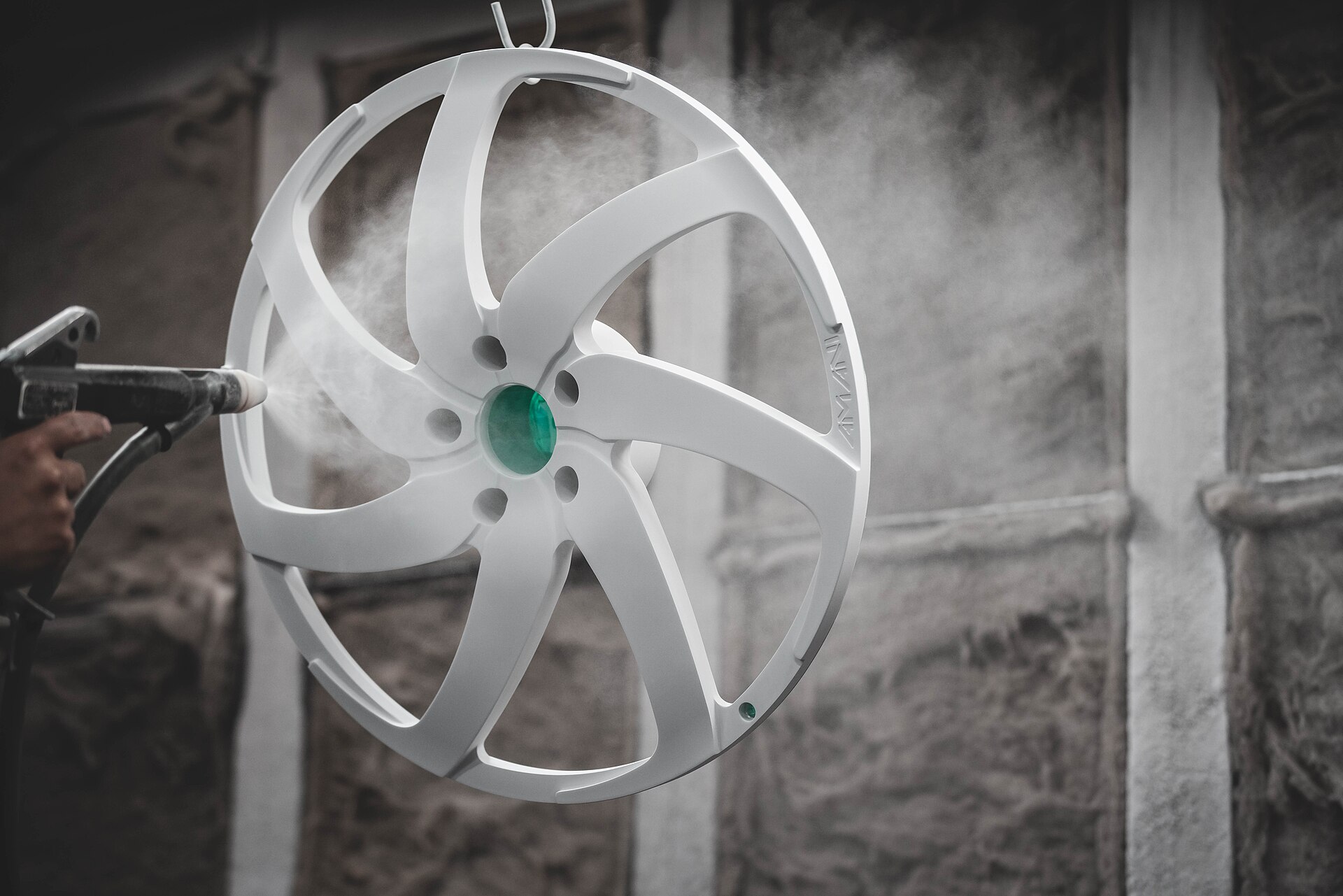
Kit or shop? The numbers are closer than for most repairs
| Your situation | Kit or shop | Rough cost |
|---|---|---|
| Light rash, painted silver alloy, one wheel | Kit | $20 to $60 for the kit |
| Rash on all four painted wheels | Kit, and it pays off | One kit covers several repairs |
| Deep gouge with metal torn away | Shop | $100 to $250 a wheel |
| Machined, polished or two-tone face | Shop | $75 to $150 a wheel refinish |
| Bent, cracked, or losing air | Shop, or replace | $120 to $400, often replacement |
A professional refinish runs about $75 to $150 a wheel, which means the kit saves real money on one wheel and saves a lot on four. The full breakdown by damage type gives the ranges for gouges and bends alongside plain rash.
There is one situation where the shop wins even on cosmetic damage, and it is worth naming because people get it backwards. If you are about to sell the car, wheels are among the first things a buyer’s eye lands on, and a slightly-off DIY patch on a silver wheel is more noticeable than clean rash was. The resale math on cosmetic repairs works out in favor of a proper refinish precisely because buyers read wheels as a proxy for how the whole car was treated.
Keep the car, do it yourself. Sell the car, pay the $150.