Best Car Scratch Removers: Match the Product to the Depth
Compounds cut, polishes refine, and neither one fixes a scratch through the color. Here's the fingernail test, the right product for each depth, and how to apply it.
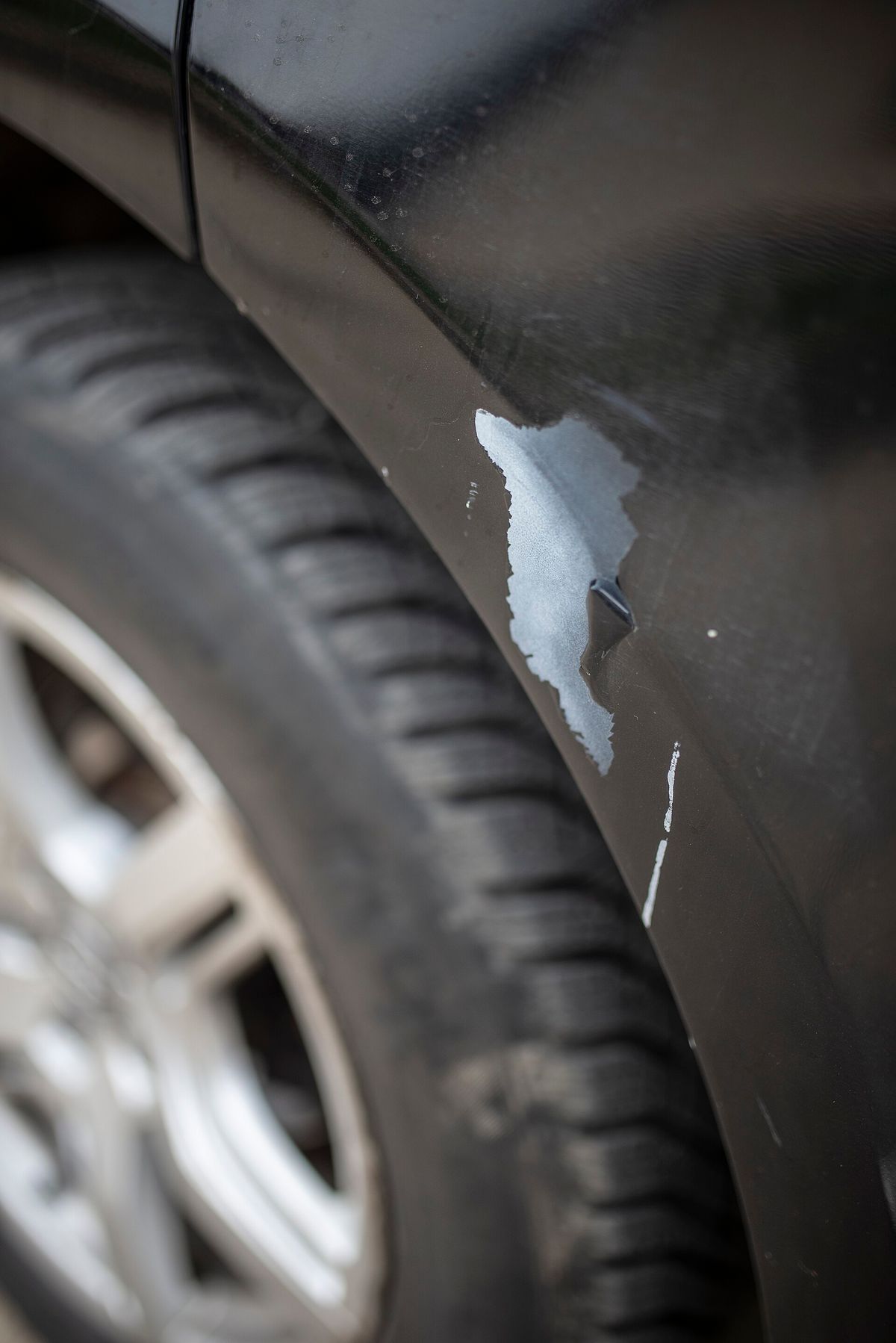
A scratch remover does not remove a scratch. It removes the clear coat around a scratch until the surface is level again, which is a different thing and explains every limit that follows. If the groove is deeper than the clear coat you are willing to sacrifice, no bottle on the shelf reaches the bottom of it.
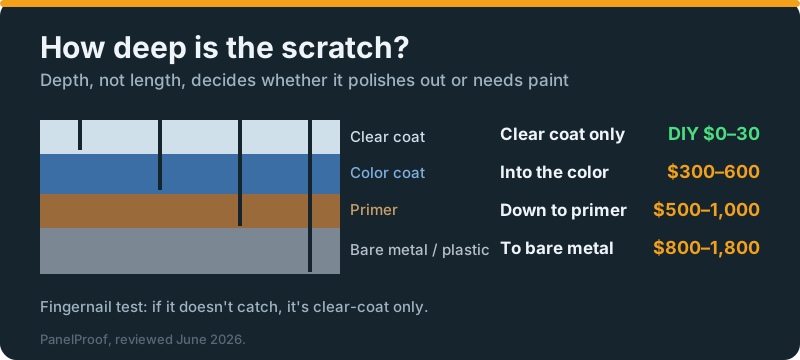
So the buying decision starts with depth, not brand. Drag a fingernail across the mark at a right angle. If it glides over, you are in clear coat and a compound will fix it. If it catches, the scratch has gone through the clear and into the color or further, and you are buying paint, not polish.
As an Amazon Associate, PanelProof earns from qualifying purchases.
Compounds: the ones that actually cut
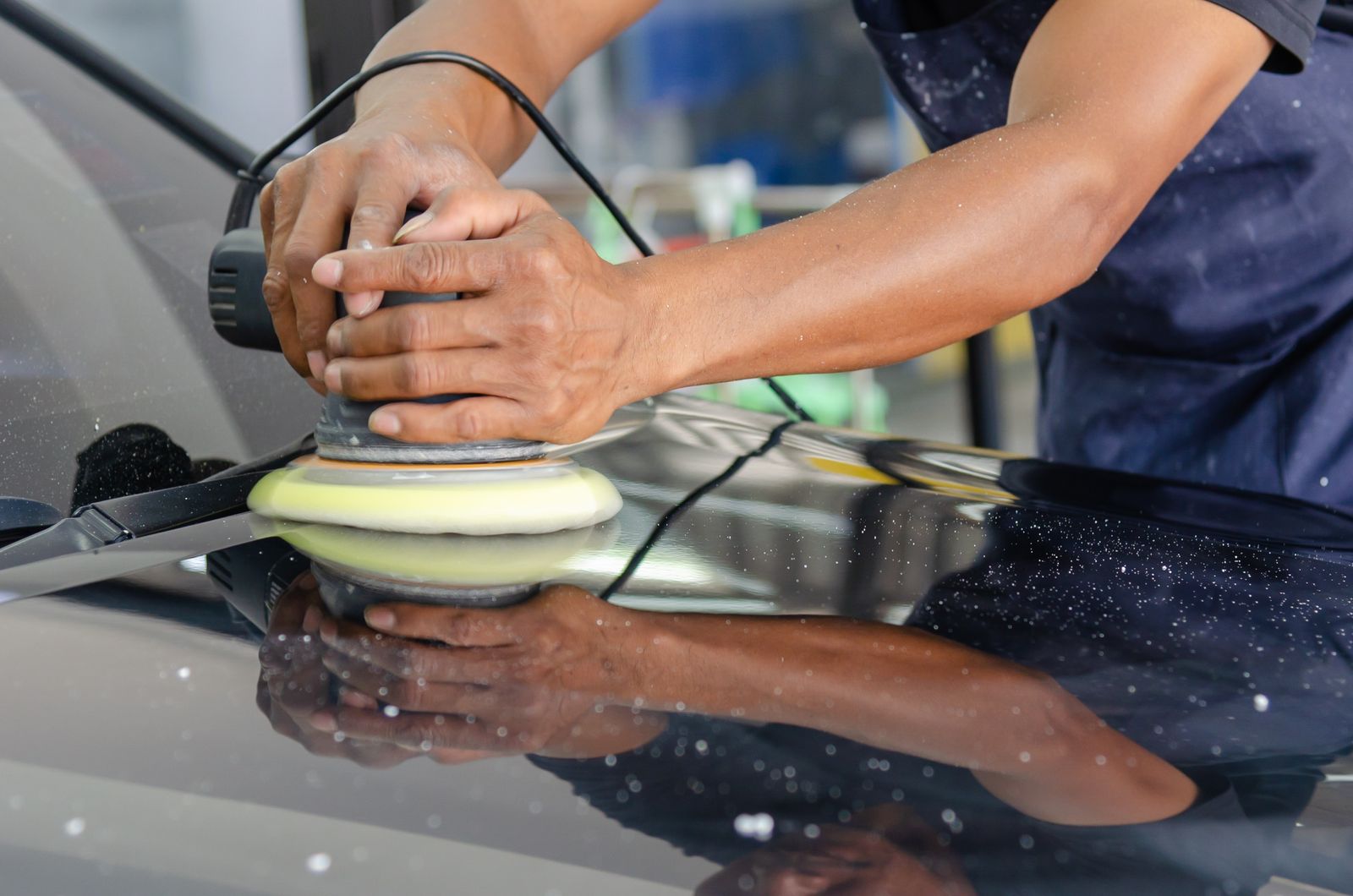
A rubbing or cutting compound carries abrasive particles that shave the clear coat down to the base of the scratch. Modern versions use graded micro-abrasives that break down as you work them, so the same bottle starts aggressive and finishes fine. Meguiar’s describes its Ultimate Compound as micro-abrasive technology that removes scratches without hazing, safe on all glossy paints and clear coats but explicitly not for matte or satin finishes, which is worth reading twice if your car has a factory satin wrap or trim.
This is the product to buy first if you only buy one. It handles swirl marks from an automatic car wash, oxidation on a sun-faded hood, water spot etching, and light scratches, all with the same bottle and a microfiber pad.
- Meguiar’s Ultimate Compound, 15.2 oz is the default recommendation for clear coat work, applied by hand or with a dual action polisher. Check current price.
There is a real cost to using it, and detailers measure it in microns. Factory clear coat runs somewhere around 40 to 60 microns thick. A light polishing pass takes off 1 to 2 microns; heavy compounding can take up to 5. Do that math across a car’s life and the reason for restraint becomes obvious: you get maybe a dozen serious corrections out of a panel before the clear is too thin to protect the color underneath. Detailers with a paint gauge stop machine polishing entirely once total film drops below about 70 microns.
Polishes: the step that makes the repair invisible
A polish is a finishing product. It carries much finer abrasives, or in some formulas none at all, and its job is to remove the fine haze a compound leaves and bring the gloss back. On a dark car this step is not optional, because compound haze on black paint reads as a dull grey patch in direct sun, which is arguably more visible than the scratch was.
- Meguiar’s Ultimate Polish, 16 oz is the matching finishing step, sold as a pre-wax glaze for depth and reflection. Check current price.
If you are working a light swirl or a wash-induced haze rather than a scratch, you can often skip the compound and start here. Less cut, less clear coat gone, same visual result.
All-in-one scratch removers: fewer steps, less control
The consumer products sold specifically as scratch removers usually combine a mild abrasive with a filling agent and a sealant. Turtle Wax Scratch Repair and Renew is the best known of these, aimed at swirl marks, paint transfer, water spots, and light scratches in one bottle.
Be clear-eyed about the filler component. Part of what these products do is level the scratch, and part of what they do is fill it with something that hides the remaining groove and washes out over weeks. That is not fraud, it is a reasonable trade for a car you plan to keep, and it is a bad trade for a car you are about to sell, because the scratch reappears for the new owner.
- Turtle Wax Scratch Repair and Renew, 7 oz is the one-bottle option for a scuff you want gone this afternoon without buying a compound, a polish, and a sealant separately. Check current price.
What do you use when the scratch goes through the color?
Nothing in the sections above. Once a fingernail catches, the clear coat is breached, and the honest sequence is touch-up paint, not abrasive.
Touch-up paint is color-specific, so this is one purchase where a general recommendation is worthless. Find your paint code first. It lives on a sticker in the driver’s door jamb on most vehicles, sometimes under the hood or in the glovebox, and it is usually three or four characters next to a label like C/TR or PAINT. Then buy the pen or bottle in your exact code, and check current price for the format you want, since the same code is sold as a pen, a brush bottle, and an aerosol at different prices.
The technique matters more than the product here. Touch-up paint fills a scratch rather than repainting it, so the goal is a groove filled level with the surrounding clear, built up in thin coats over several days, then clear coated and finally leveled with a compound. Rushed in one thick coat, it leaves a raised bead that catches light worse than the scratch did.
And know the ceiling on this. A scratch that reached bare metal needs sealing quickly because exposed steel starts corroding within days, but touch-up paint is a stopgap, not a repair. A proper fix is $500 to $1,000 of panel work depending on size and location, and a long vandalism scratch across multiple panels is its own category again.
How to apply it without making things worse
The failures here are boringly consistent, and all four are avoidable.
Wash the panel first. Compounding over grit drags that grit across the paint under pressure, which adds fine scratches faster than you remove the original one. Wash, dry, and run a hand over the area to check for anything still stuck to it.
Work in the shade, on cool paint. Product flashes off hot metal before the abrasives have broken down, which leaves a chalky residue and does almost nothing to the scratch.
Small area, straight lines, moderate pressure. Roughly a two-foot square at a time, back and forth in one direction rather than circles, and stop to inspect every few passes. Circles hide their own damage pattern until the sun hits it at the wrong angle.
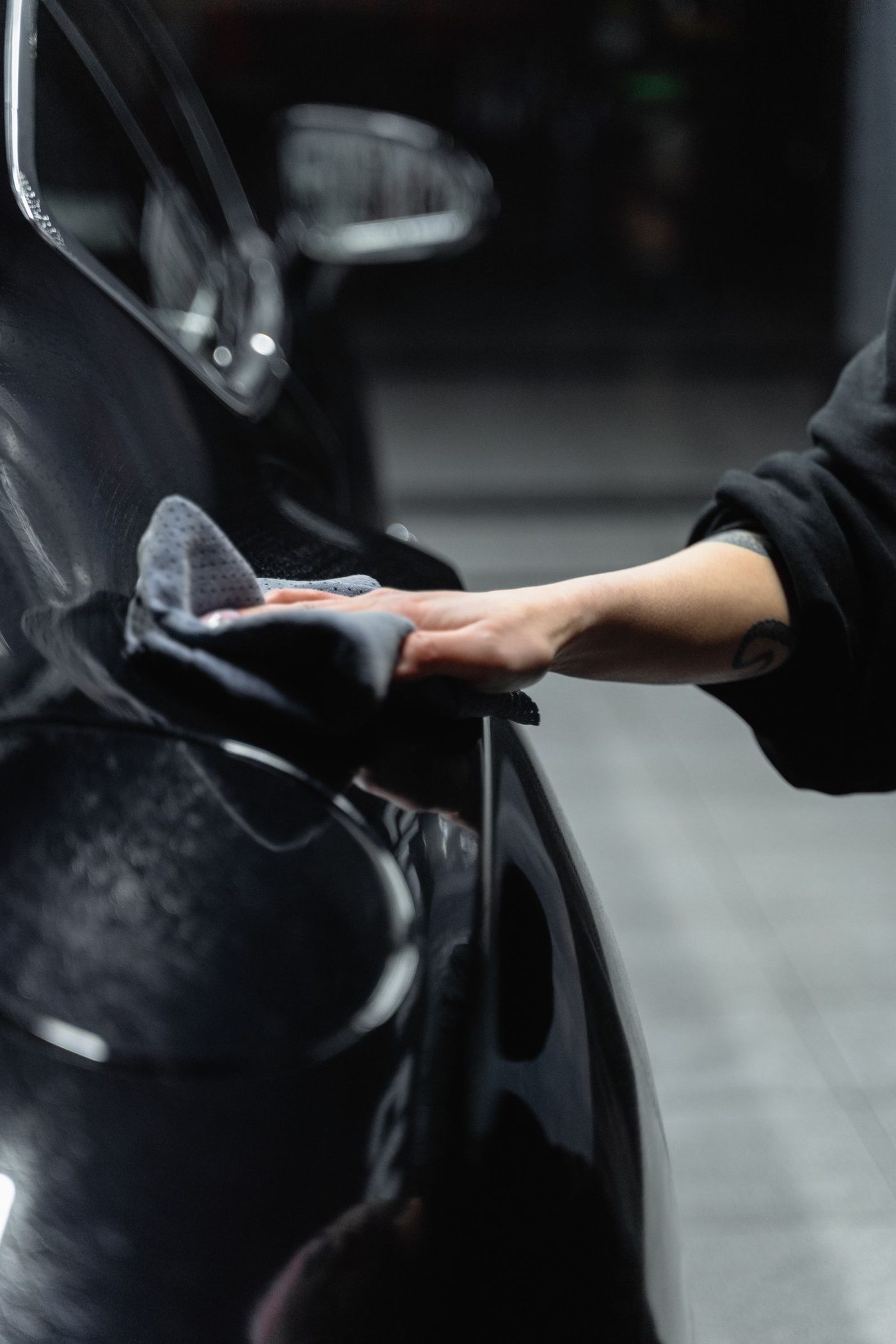
Turn the towel. A microfiber pad loaded with spent compound and clear coat residue becomes an abrasive of its own. Fold, turn to a clean face, and change towels between the compound and the polish rather than reusing one.
Then seal it. Compounding strips whatever wax or sealant was on the panel and leaves fresh, unprotected clear coat exposed. A coat of wax or a synthetic sealant afterward is not a cosmetic flourish, it is the thing that keeps the repair from oxidizing in a season.
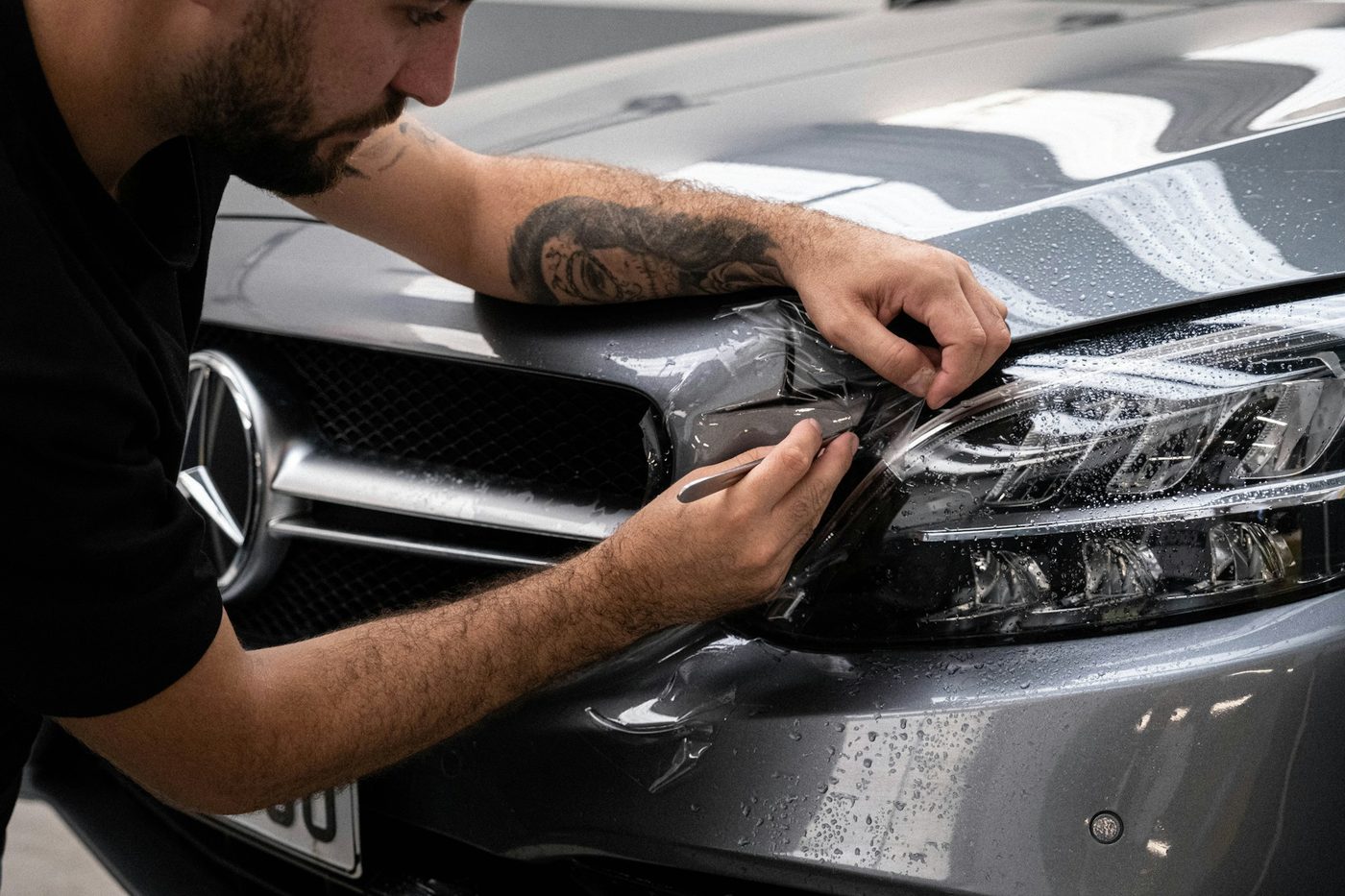
When is a shop the better buy?
| What you have | Best product | Realistic outcome |
|---|---|---|
| Swirls and wash haze, nail glides | Polish alone | Gone completely, one afternoon |
| Light scratch, nail glides | Compound then polish | Gone completely |
| Scratch catches a nail lightly | Compound, then accept partial | Much less visible, not invisible |
| Scratch through to color or primer | Touch-up paint in your code | Sealed and far less visible, still findable |
| Bare metal, or a long panel-crossing scratch | Body shop | Correct, and priced accordingly |
The economics are unusually favorable at the shallow end. A clear coat scratch that a $20 bottle fixes in an afternoon costs about $150 at a shop for the same result, which makes this one of the few car repairs where DIY genuinely matches professional work rather than approximating it.
That flips hard once paint is involved. Color matching is where amateur repairs give themselves away, because a factory finish has metallic flake orientation and a clear coat over the top that a brush cannot reproduce. If the car is going up for sale, the resale math on cosmetic repairs usually favors having the paintwork done properly and the polishing done yourself.
One last case that catches people out: plastic bumper scuffs look like paint scratches and behave differently. Bumper covers flex, so paint on them cracks rather than scratches cleanly, and a compound on a cracked bumper finish spreads the crack instead of leveling it.